You can see the English version of this post here.
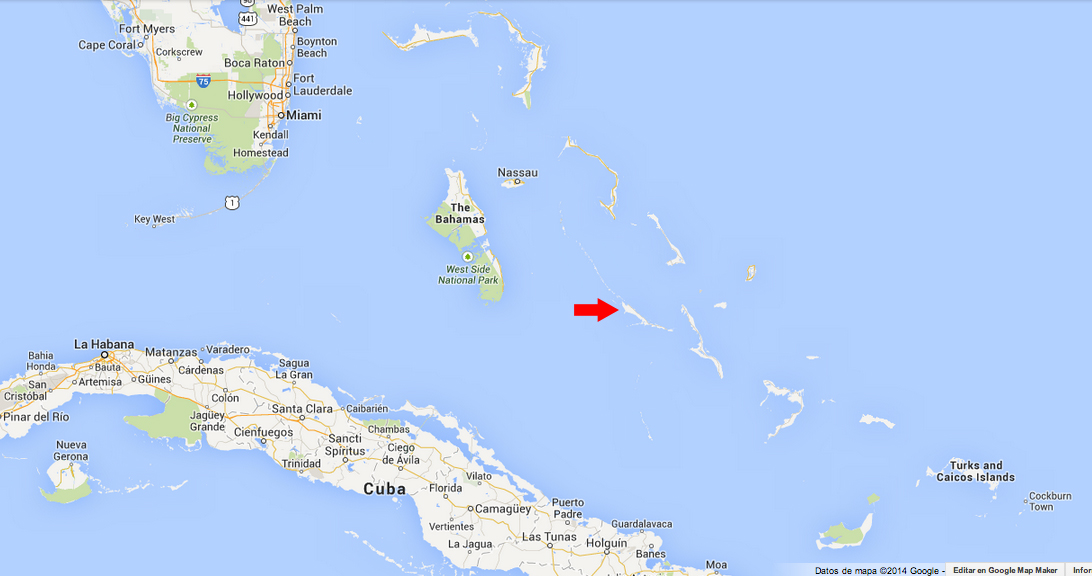
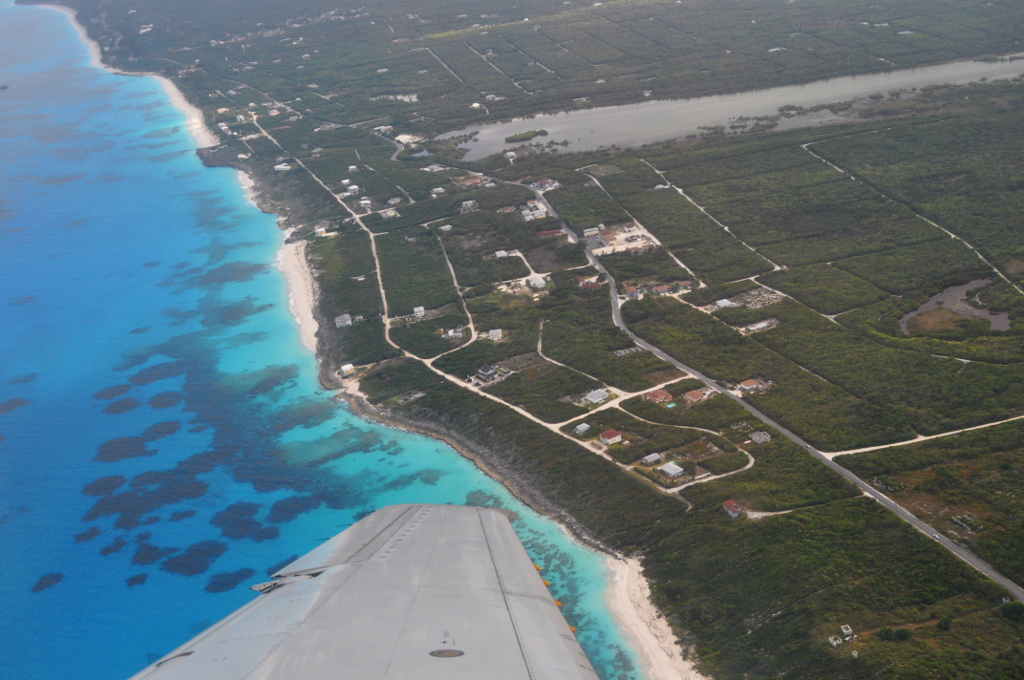
Exuma es un distrito de las Bahamas que consta de más de 360 islas (o cayos). El mayor de los cayos es Gran Exuma, de unos 60 km de longitud, y en él se sitúa la ciudad más grande del distrito, Georgetown, fundada en 1793. El Trópico de Cáncer pasa por la ciudad. Toda la cadena de islas es de 209 km de largo y unos 72 km².
Ecosistema Urbano ha iniciado en el mes de febrero de 2014 una colaboración con el proyecto A Sustainable future for Exuma: Environmental Management, Design, and Planning, que surge de la cooperación entre el Gobierno de las Bahamas, el Bahamas National Trust y Harvard University Graduate School of Design (GSD).
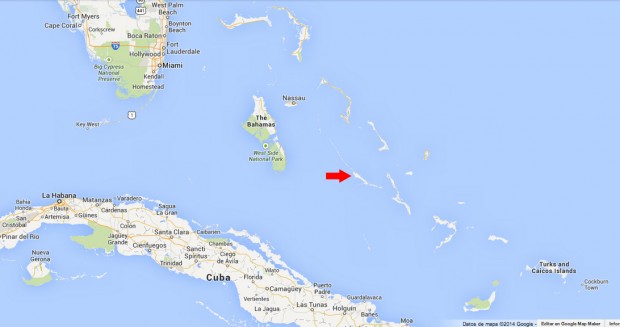
Situación de Exuma
“A sustainable future for Exuma” es un proyecto de 3 años de duración con múltiples ramificaciones dentro de dos áreas de intervención principales (investigación y cooperación académica) cuyo objetivo final es diseñar el futuro planeamiento para las islas.
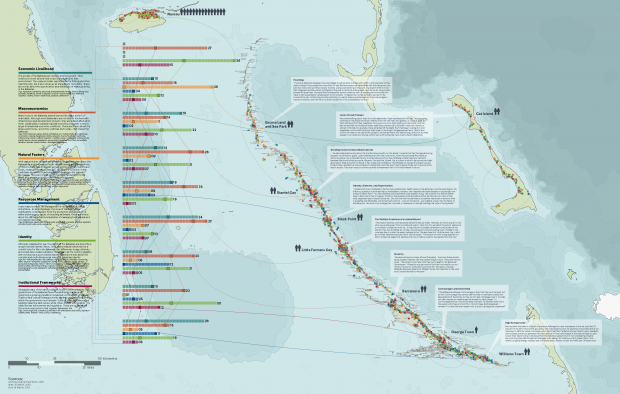
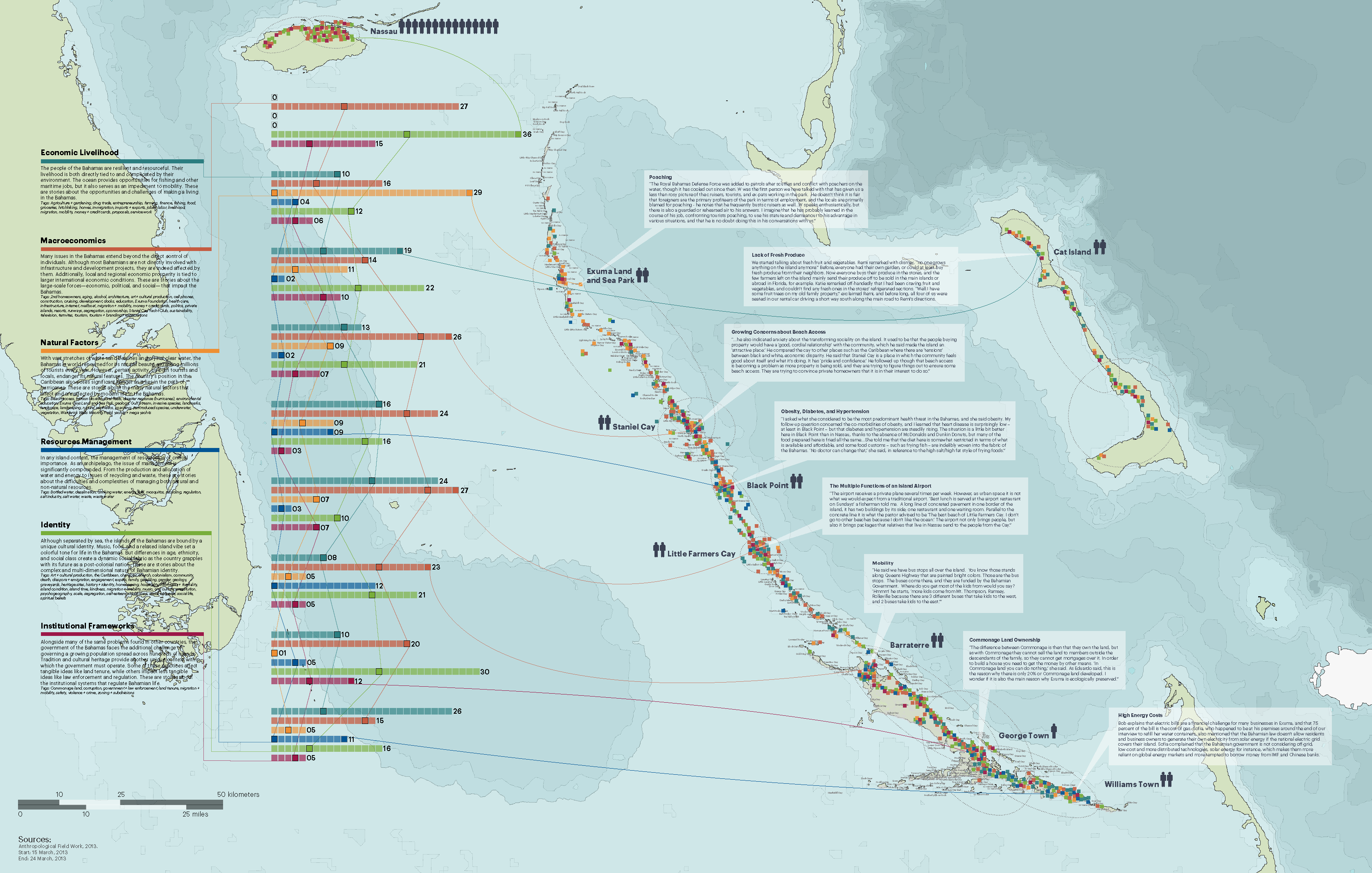
Resumen del trabajo de campo – Fuente: Exuma Topics
La misión de Ecosistema Urbano, dentro del marco general del proyecto, ha sido la de diseñar una serie de actividades y talleres para promover el diálogo dentro de la comunidad local, reflexionando sobre el futuro de las islas y dando a conocer la existencia y el contenido de este proyecto de futuro. Como desenlace final de este debate, se plantea la necesidad de materializar a muy corto plazo una intervención catalizadora en el espacio público de Georgetown, como señal de cambio y transformación para el futuro de la isla.
Mientras interactuábamos con la comunidad local, íbamos obteniendo información fundamental sobre cómo se sienten sus habitantes, cuáles son sus expectativas, su percepción, sus necesidades, etc. El debate se situó fundamentalmente entre dos escalas: el ámbito general de Exuma y el entorno local de Georgetown, la población principal del distrito, donde se desarrolla la mayor actividad social.
De entre los numerosos temas tratados han surgido algunos tan importantes como la alimentación, el suministro energético, la educación, los residuos, el agua, el transporte, el turismo, la identidad o las infraestructuras.
Ha habido momentos fantásticos de reflexión colectiva sobre el presente y el futuro de este entorno tan bello y frágil a la vez; y ha sido especialmente interesante escuchar a los más jóvenes, quienes a pesar de su corta edad, tienen una visión muy clara de cuáles son los retos y problemas que les afectan y que deben afrontan para mejorar sus expectativas de futuro.
Las herramientas y talleres que hemos puesto en práctica para sondear los deseos y aspiraciones de la comunidad local han sido los siguientes:
1. Street photo tour
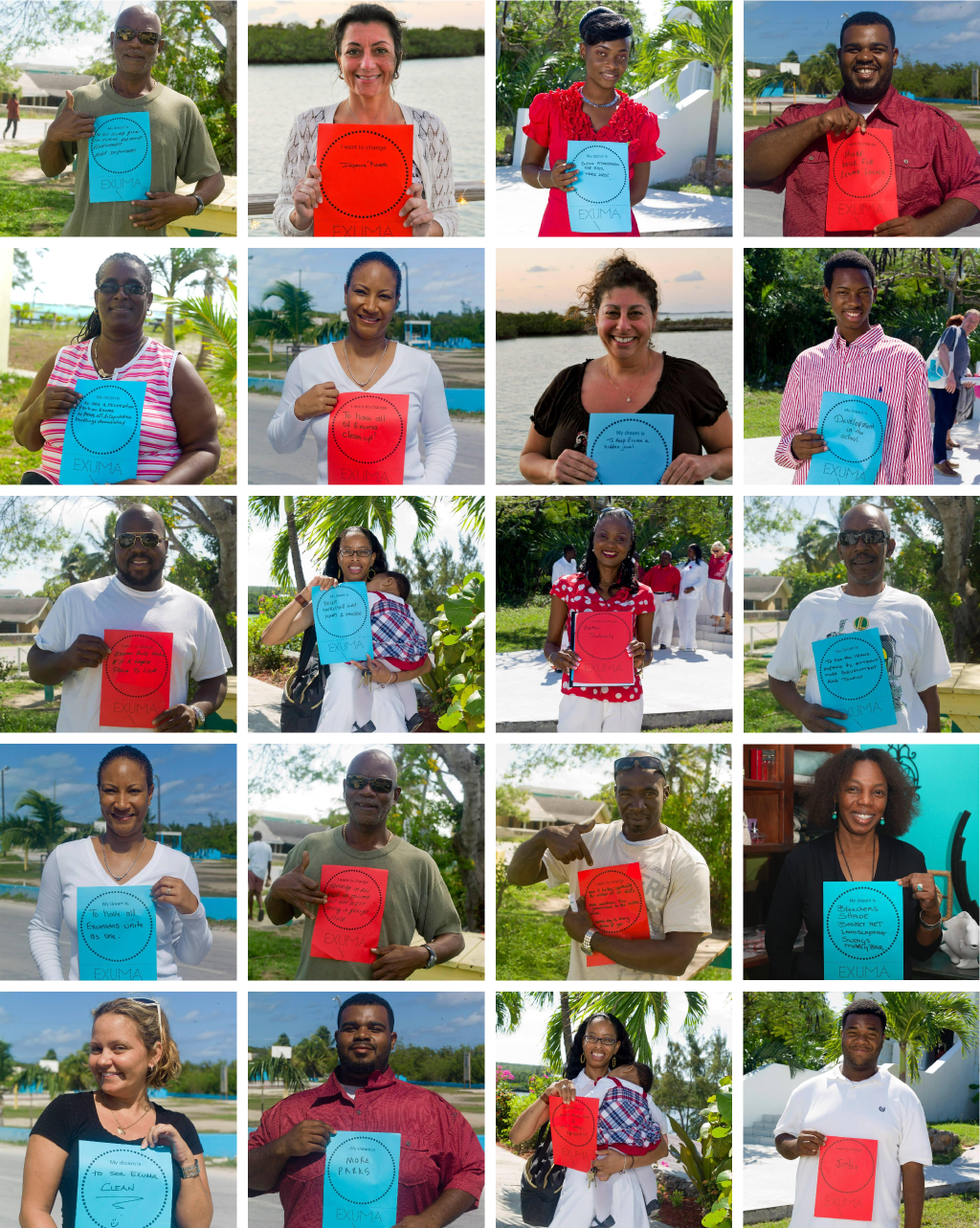
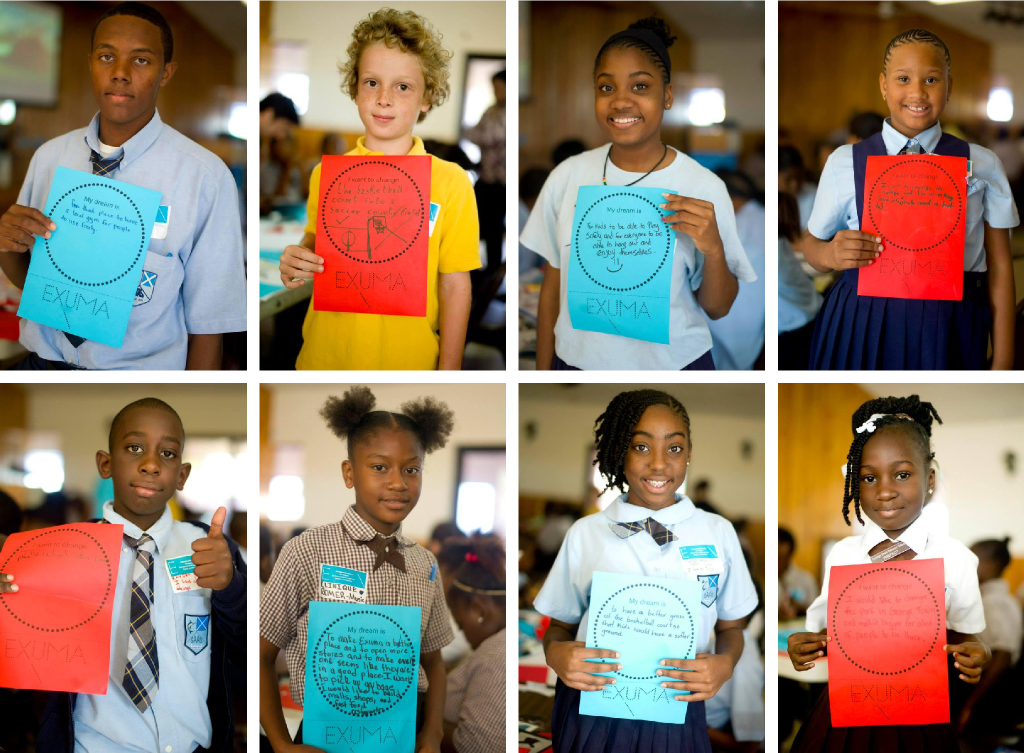
Nuestro amigo y extraordinario fotógrafo, Emilio P. Doiztua, nos ha acompañado en este viaje, realizando un magnífico registro de muchos de los participantes y las actividades. Creímos importante recoger los testimonios tanto de aquellos que querían participar en las actividades más organizadas, como de los que preferían expresar sus ideas de manera espontánea en la calle, a la salida de la Iglesia o del mercado. La gente se mostró muy abierta a participar y contestar nuestras preguntas.
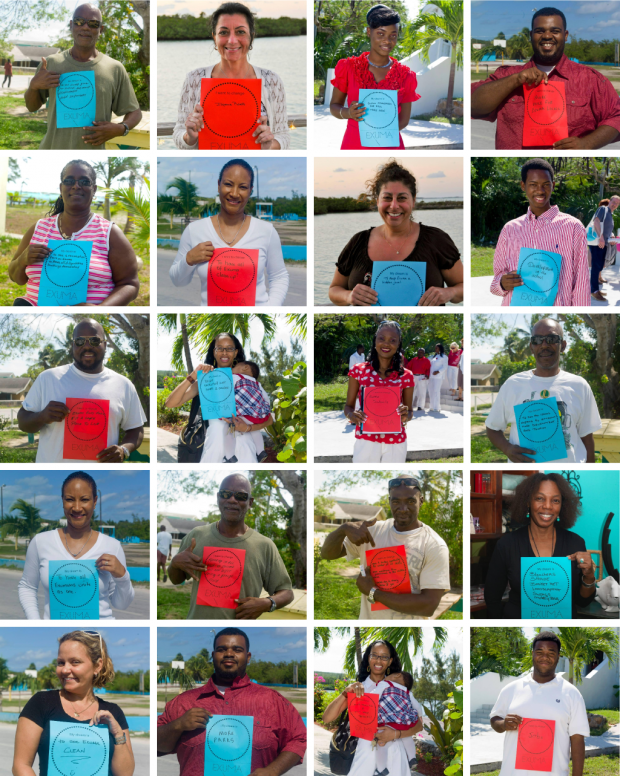
Algunas de las fotografías tomadas durante el “tour”
2. Creative workshops
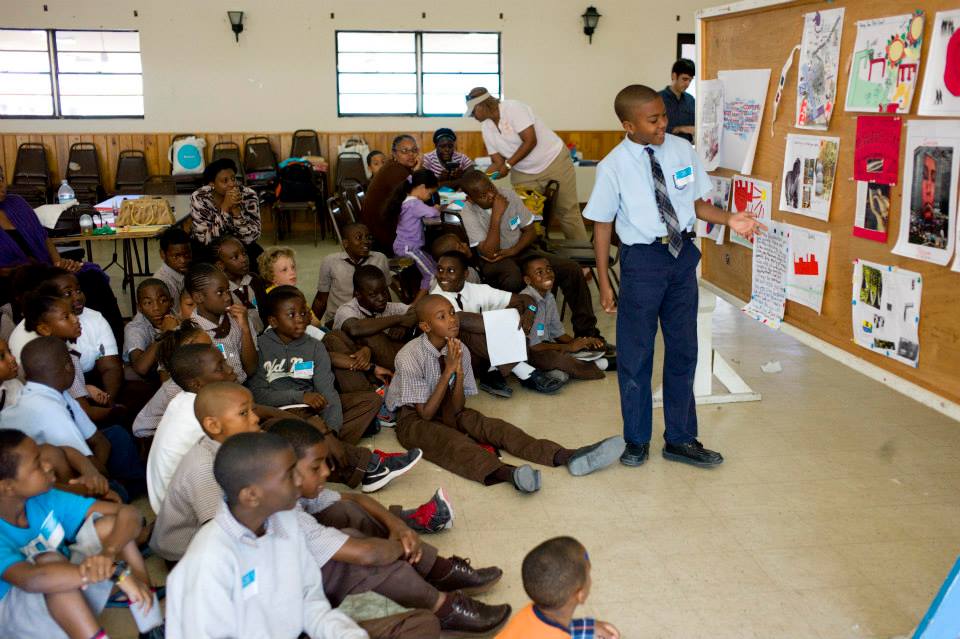
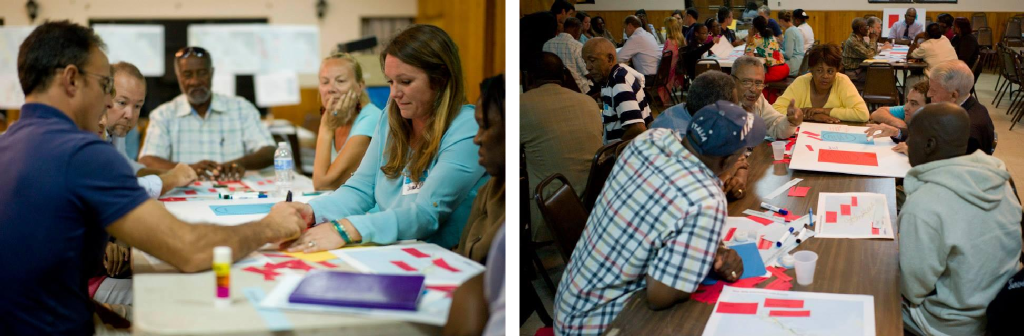
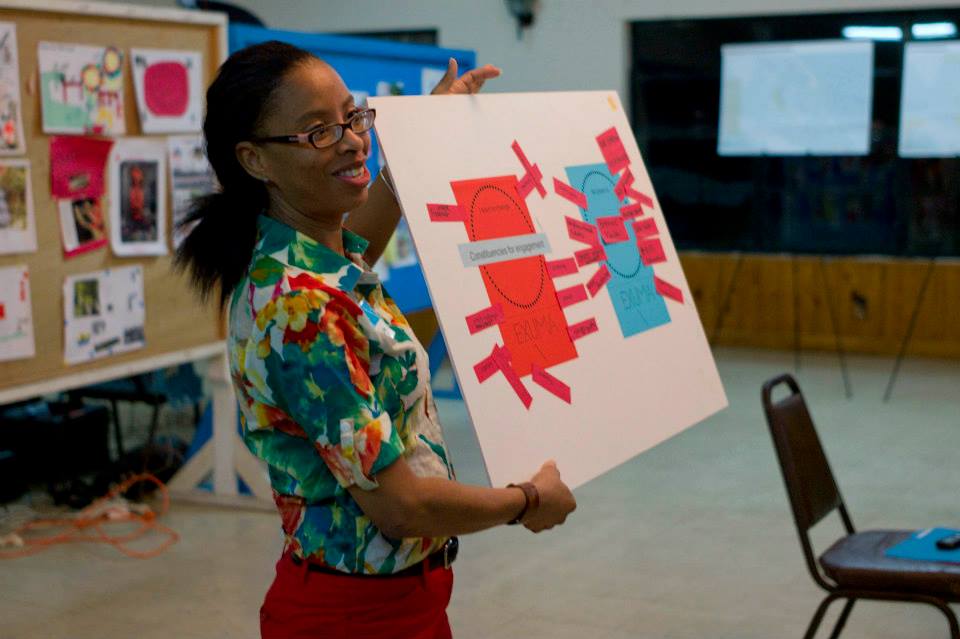
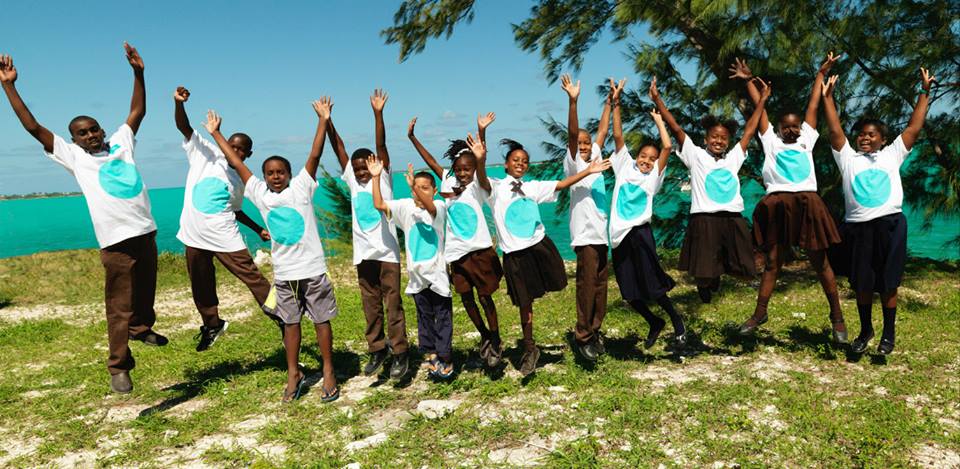
Durante esta semana hemos realizado actividades en los colegios de educación primaria de St. Andrew’s, Moss Town, Georgetown, Williams Town y en el Instituto L.N. Coackley High School, trabajando con jóvenes de entre 7 y 18 años. Paralelamente se han realizado dos encuentros con adultos, ambos en St. Andrew’s Community center.
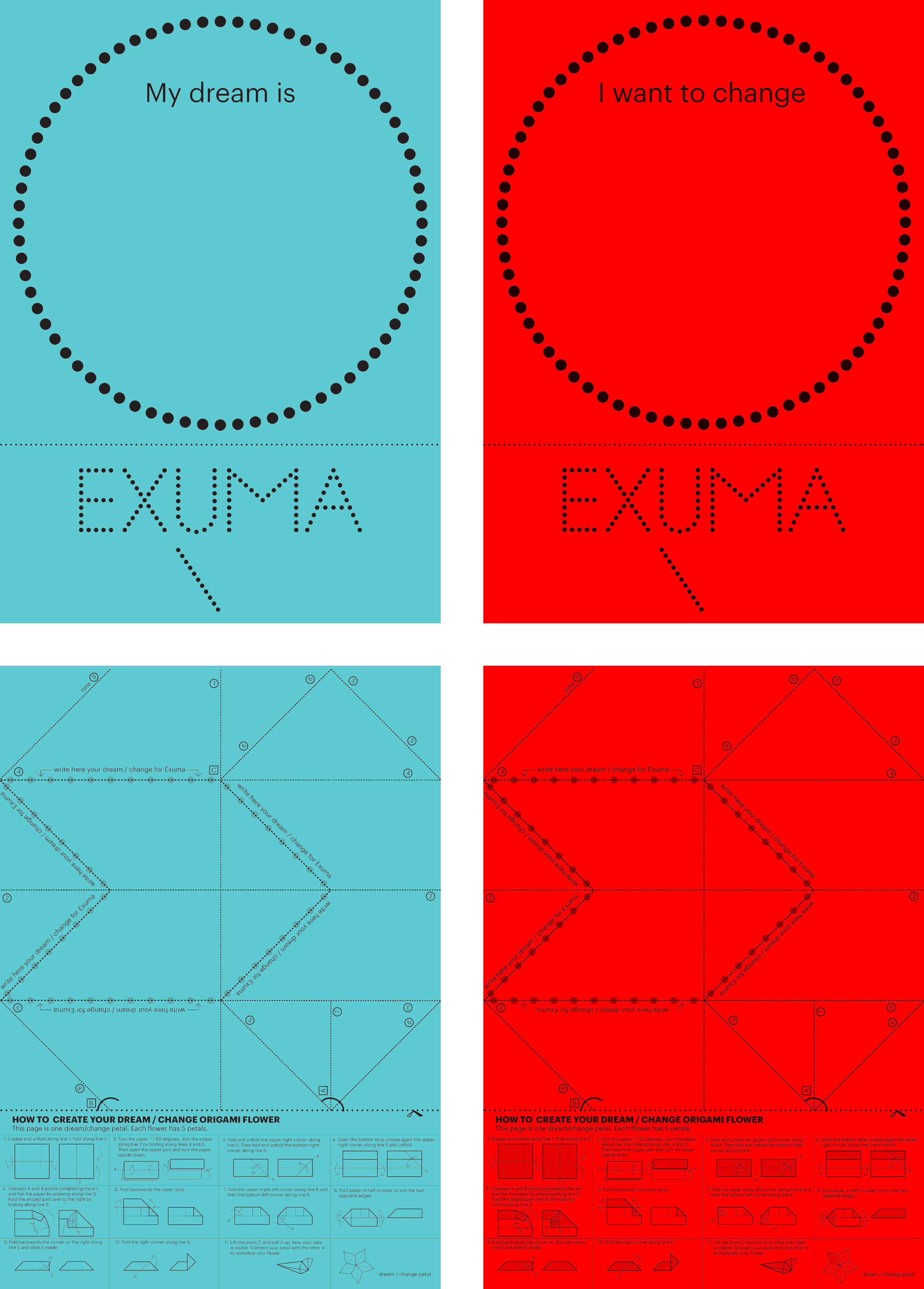
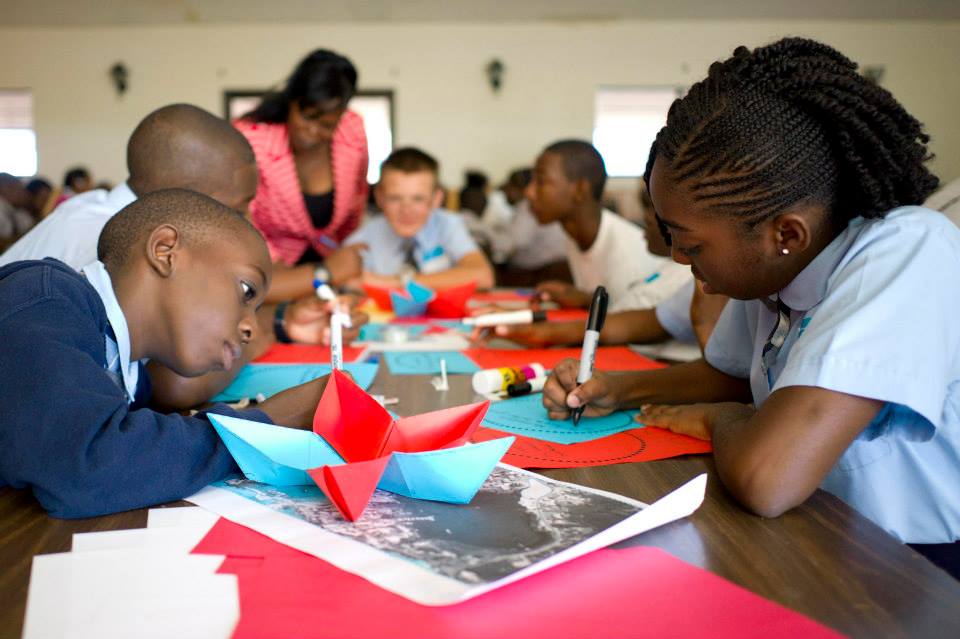
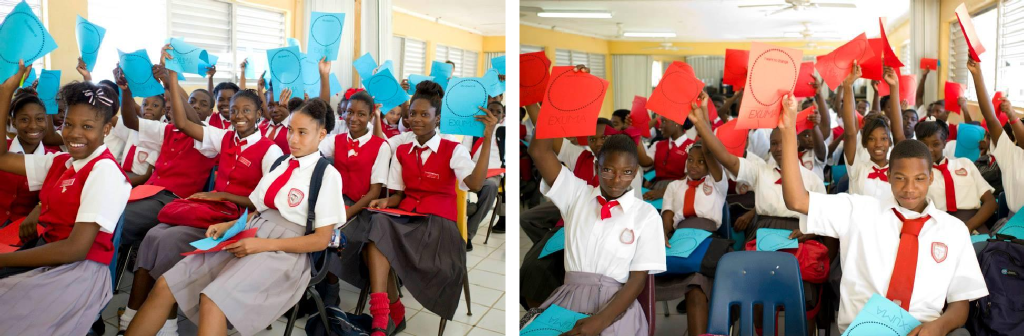
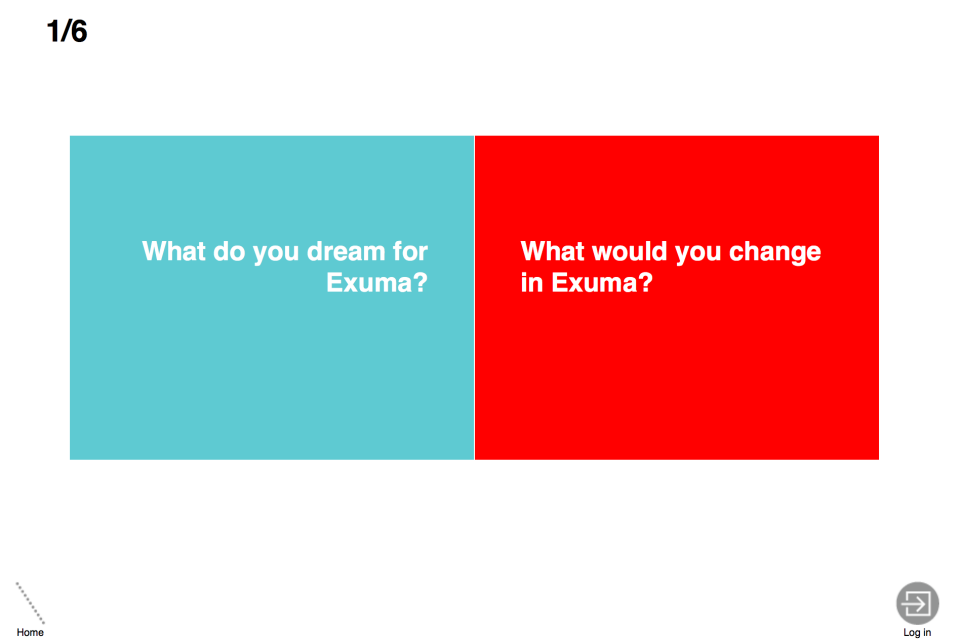
Como ejercicio detonante, diseñamos un set de 2 preguntas, utilizando los colores rojo y azul, para simbolizar los cambios necesarios y los sueños deseados respectivamente. Cada entrevistado y participante debía responder a estas dos sencillas cuestiones, como ejercicio individual para después proceder a un trabajo de reflexión colectiva, trabajando en grupos de 4 ó 5 personas.
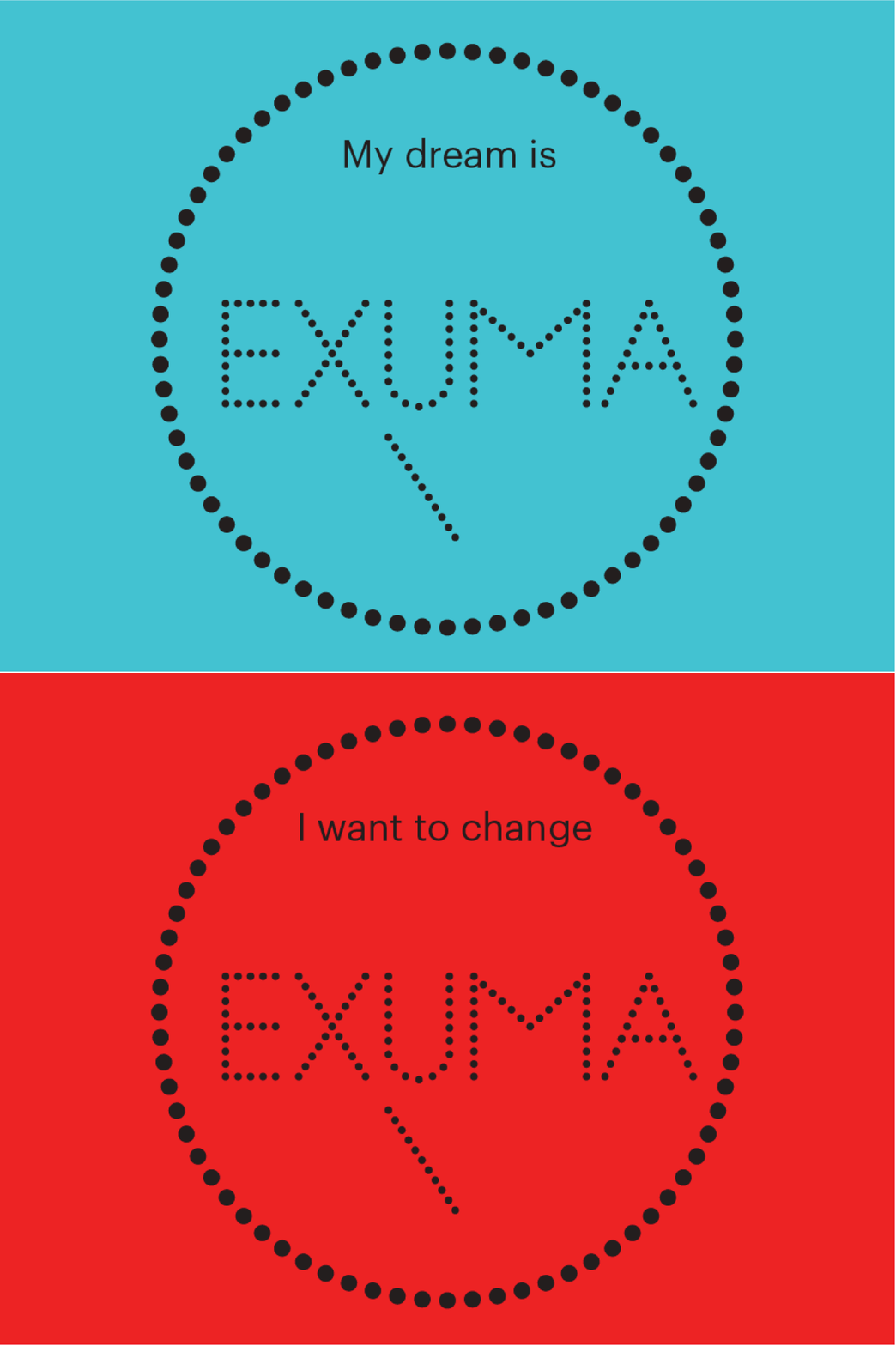
Azul y rojo, sueños y cambios
Muchas y muy distintas han sido las respuestas, y ha sido muy interesante constatar la claridad de ideas que tienen los más jóvenes (7-10 años) a la hora de sugerir cambios y proponer ideas, tanto sobre su entorno más inmediato (su colegio, su barrio, su ciudad) como del contexto más amplio, Exuma.
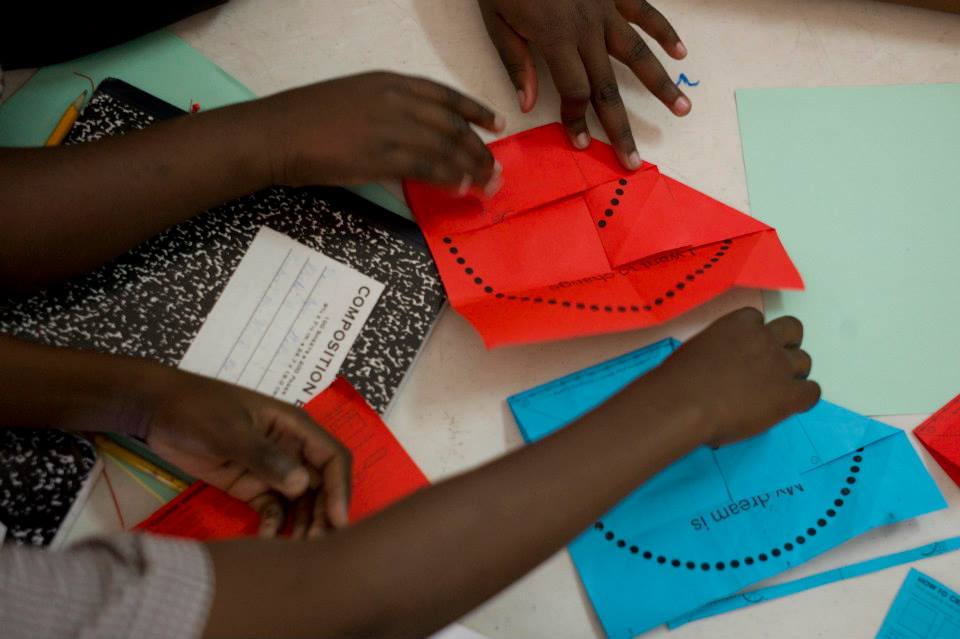
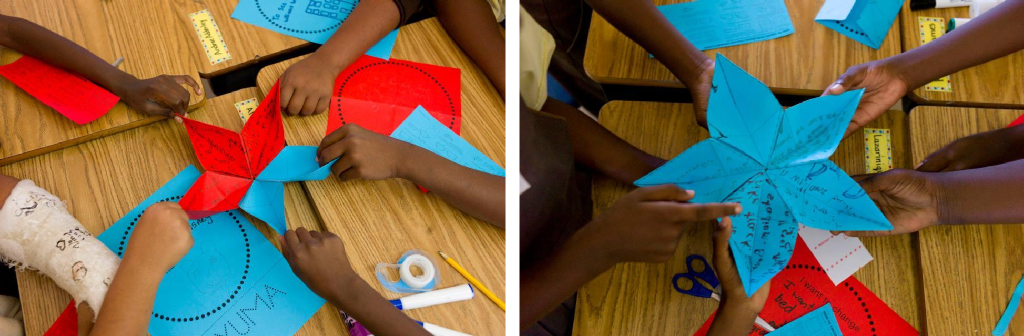
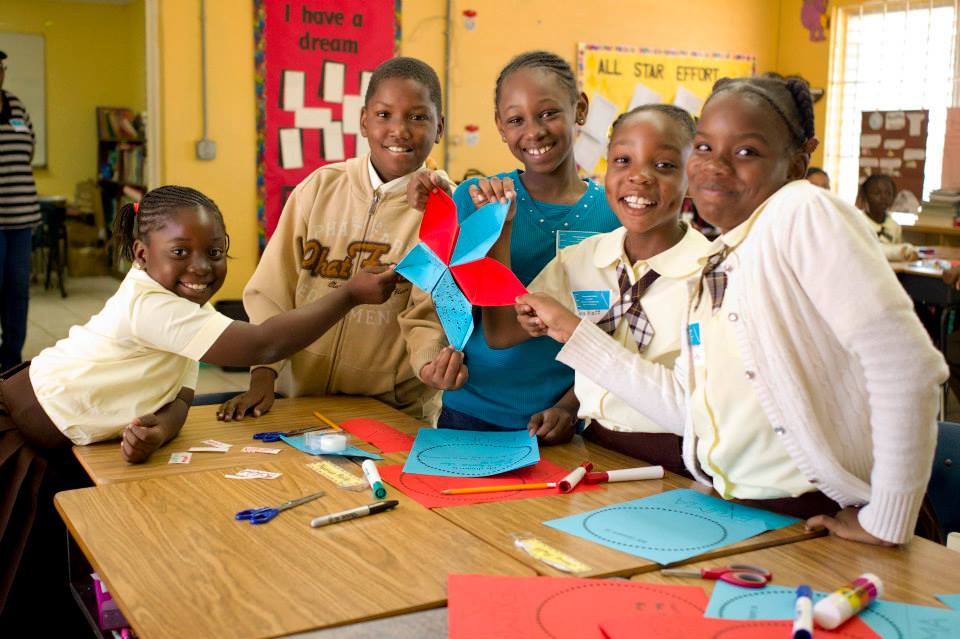
Al final de cada taller, a través de un sencillo ejercicio de origami, las páginas rojas y azules que simbolizan los cambios deseados o los sueños de futuro, se convierten primero en pétalos y más tarde en flores de papel.
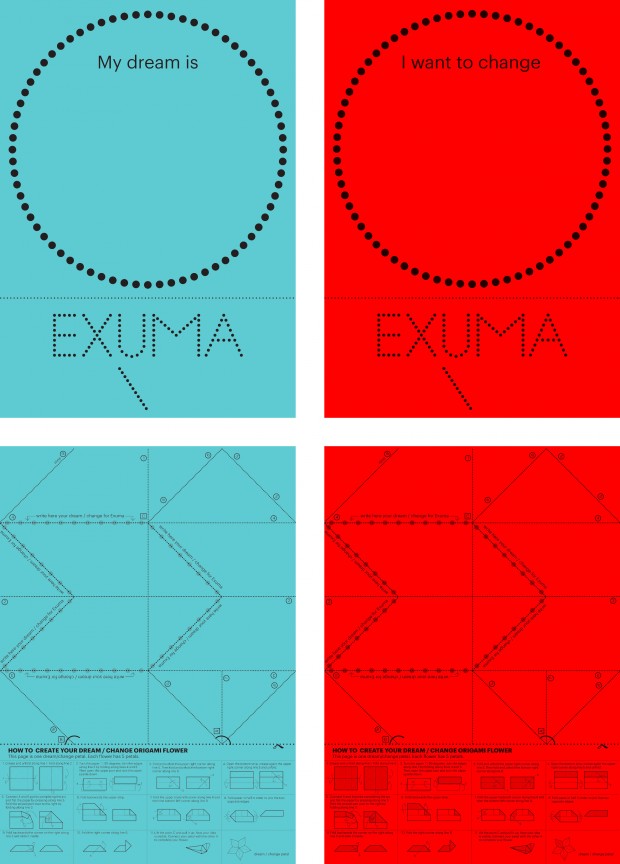
Plantillas usadas para las propuestas y el origami – clic para ver y descargar en alta resolución

Proceso de plegado del origami
Para los ejercicios colectivos se ha trabajado con fotos aéreas, palabras, producción de collages y escenificación. Se ha realizado una reflexión a 3 escalas: Exuma, Georgetown y a escala más local, sobre un espacio público vital en la ciudad, el lugar más frecuentado a diario por niños, jóvenes y familias.
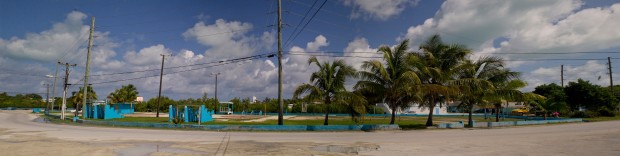
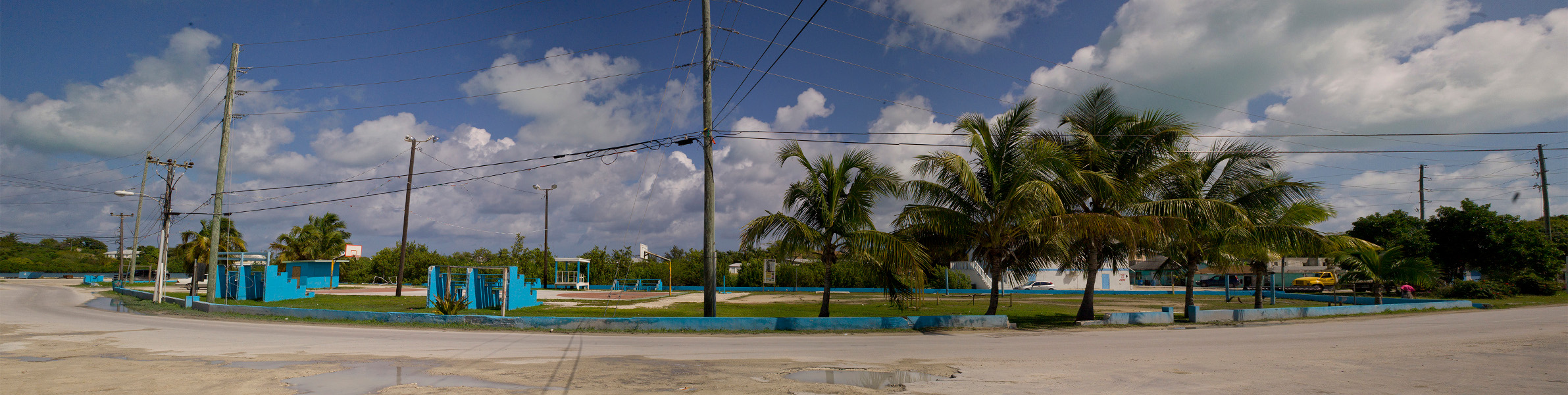
“The park”, el principal espacio público de Georgetown
Este espacio es un lugar de encuentro natural para los jóvenes y tiene un gran potencial como espacio para la interacción social de la isla por su proximidad a la laguna Victoria y por encontrarse en el centro de Georgetown.
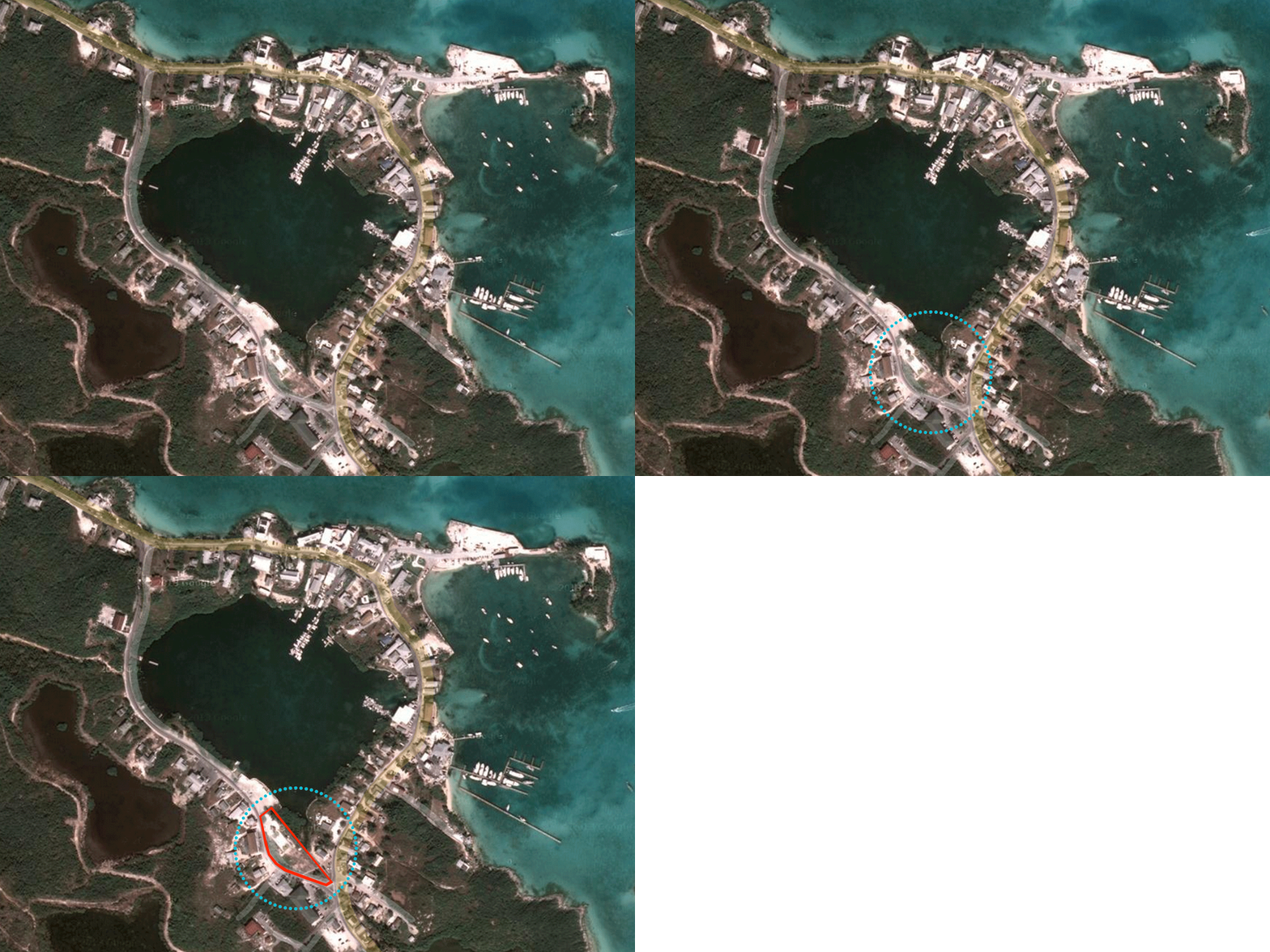
Ubicación de este “parque” en Georgetown
A lo largo de una semana recibimos infinidad de ideas y propuestas para transformarlo y dotarlo de mejores instalaciones, más funciones y permitir que sea un espacio público más activo, inclusivo y confortable. Algunas de las ideas recogidas incluyeron: sombra, juegos infantiles, mobiliario urbano, agua, wifi, gradas, huertas urbanas, jardín, zonas deportivas, eventos culturales, conciertos, etc.
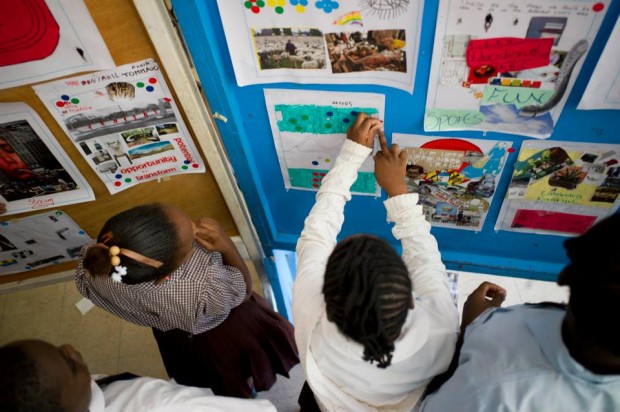
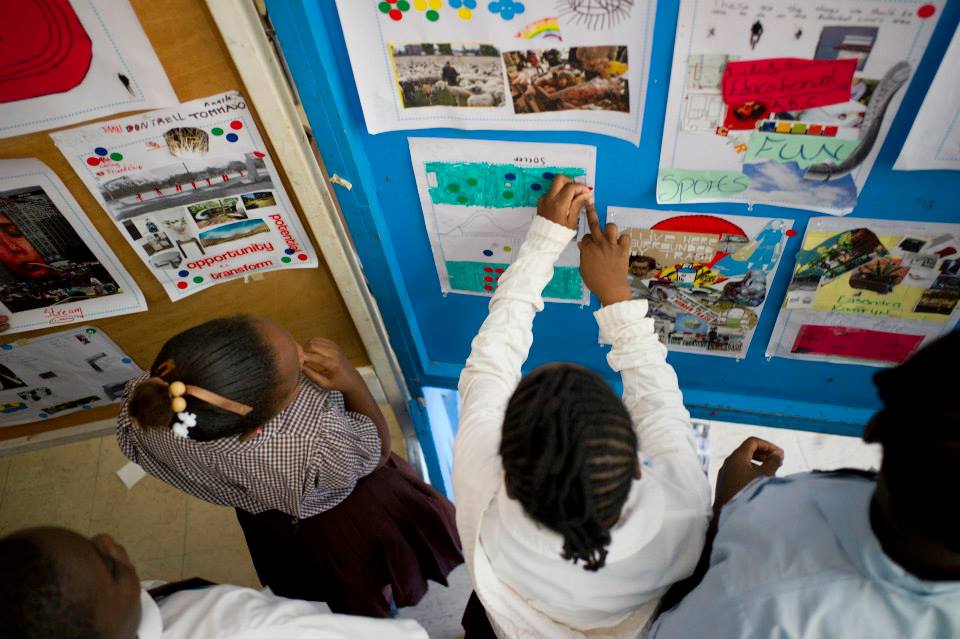
Añadiendo propuestas al panel de exposición
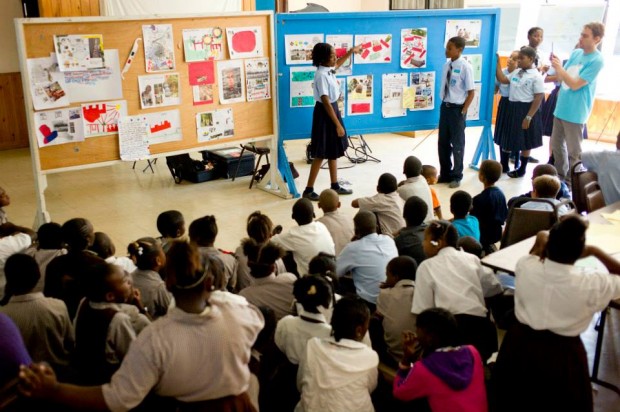
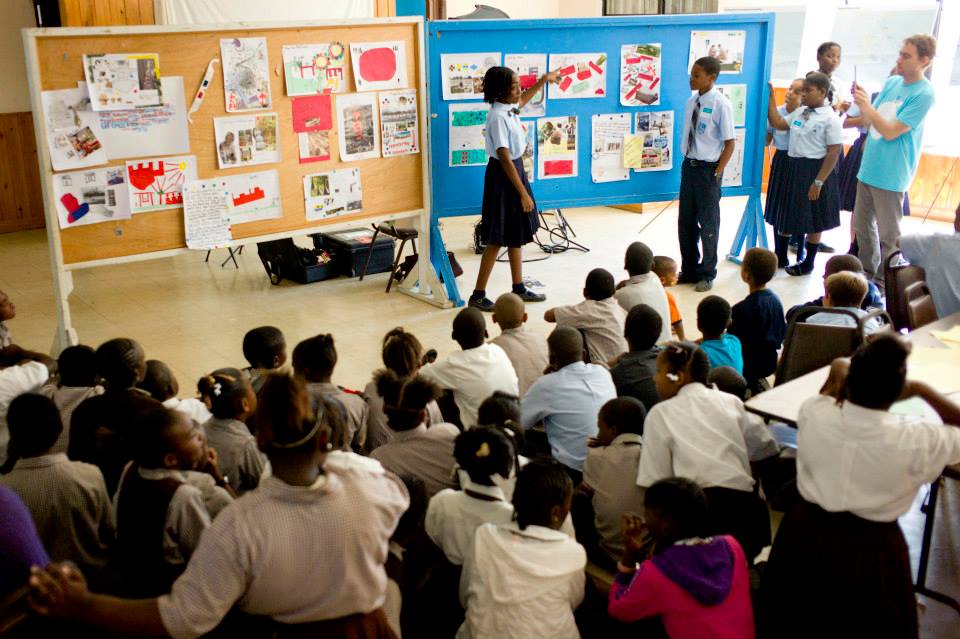
Puesta en común

Puesta en común
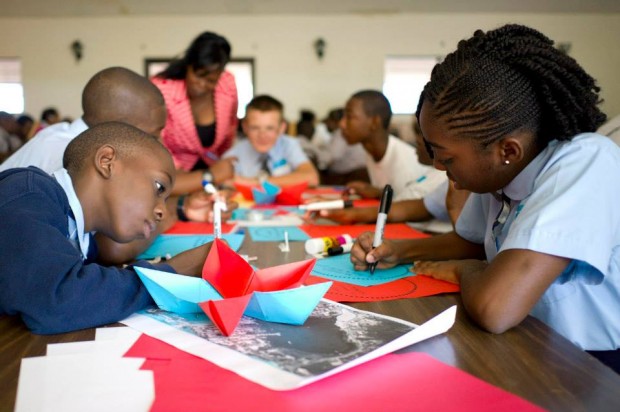
Trabajando en los “pétalos”
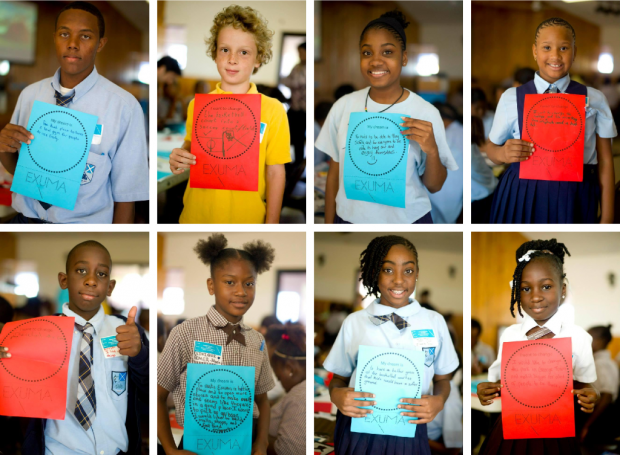
Algunos niños posando con sus propuestas
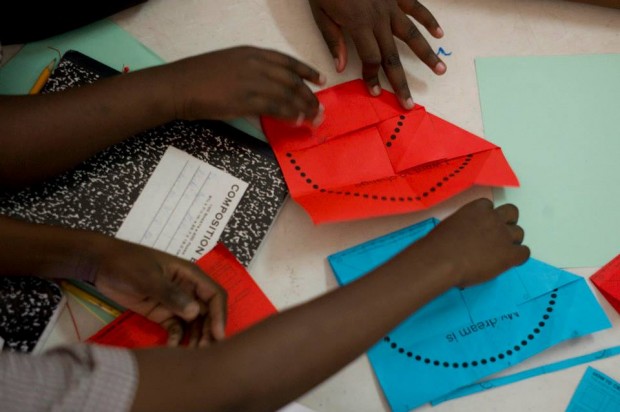
Aprendiendo y enseñando a plegar los papeles
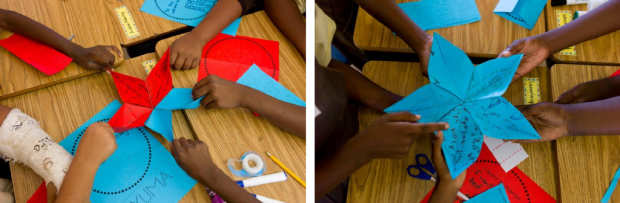
Empiezan a aparecer “flores”
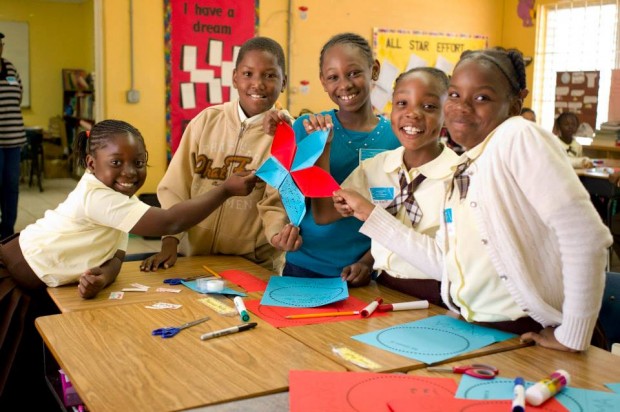
Mostrando el resultado

En un instituto local
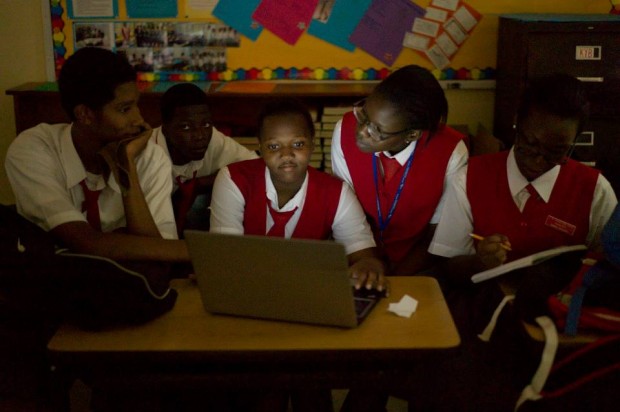
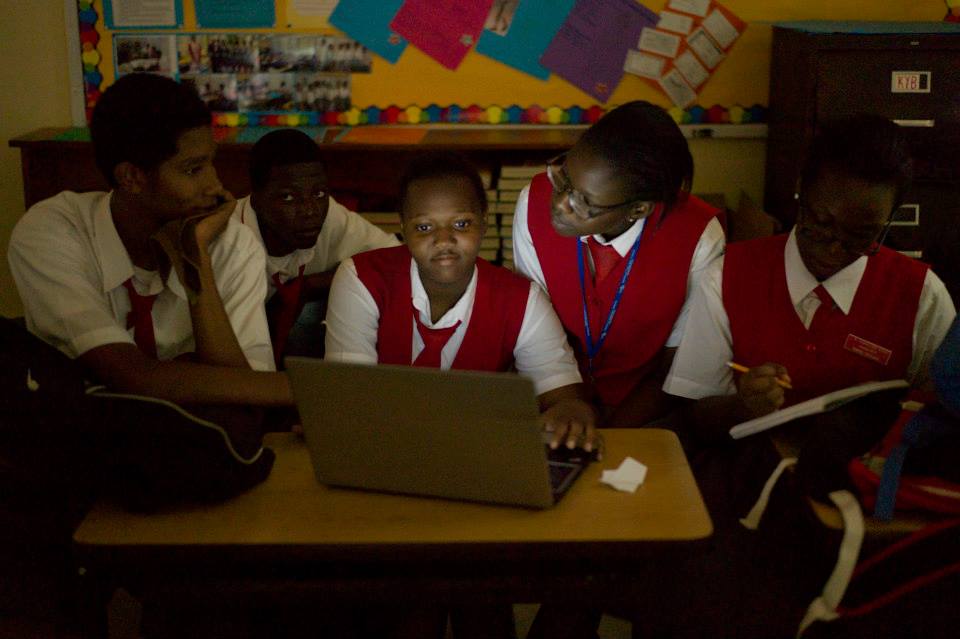
Usando la aplicación digital
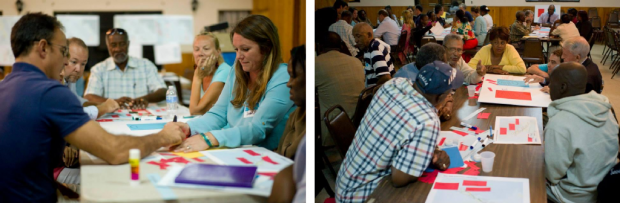
Talleres con adultos, tanto turistas como locales
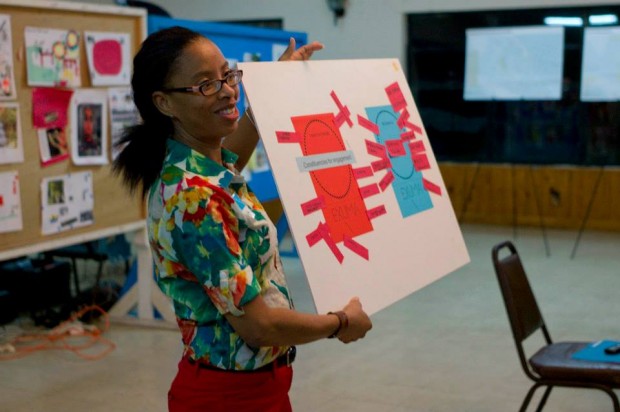
Sharing results and reflections
3. Digital Exuma: www.exumadreams.org
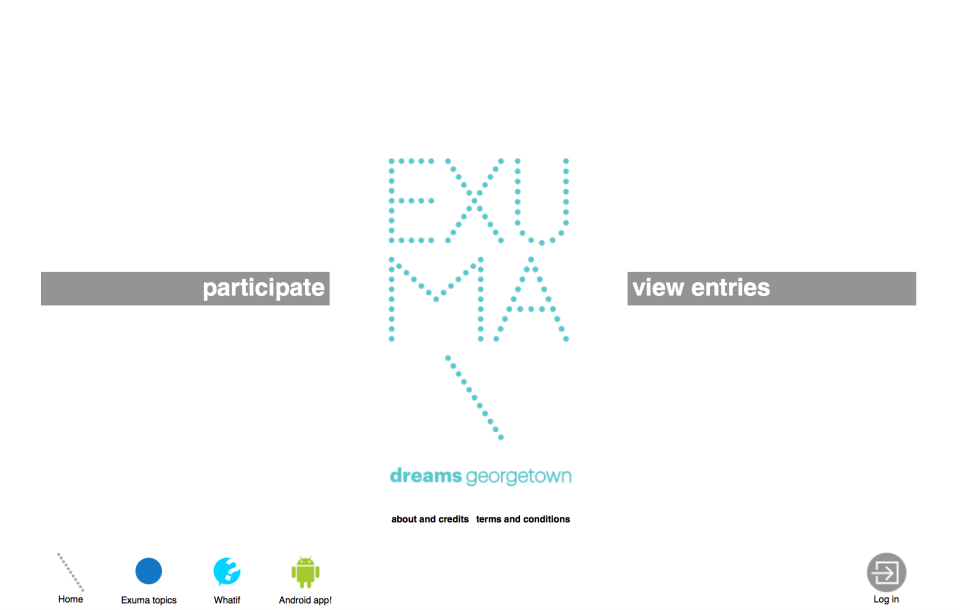
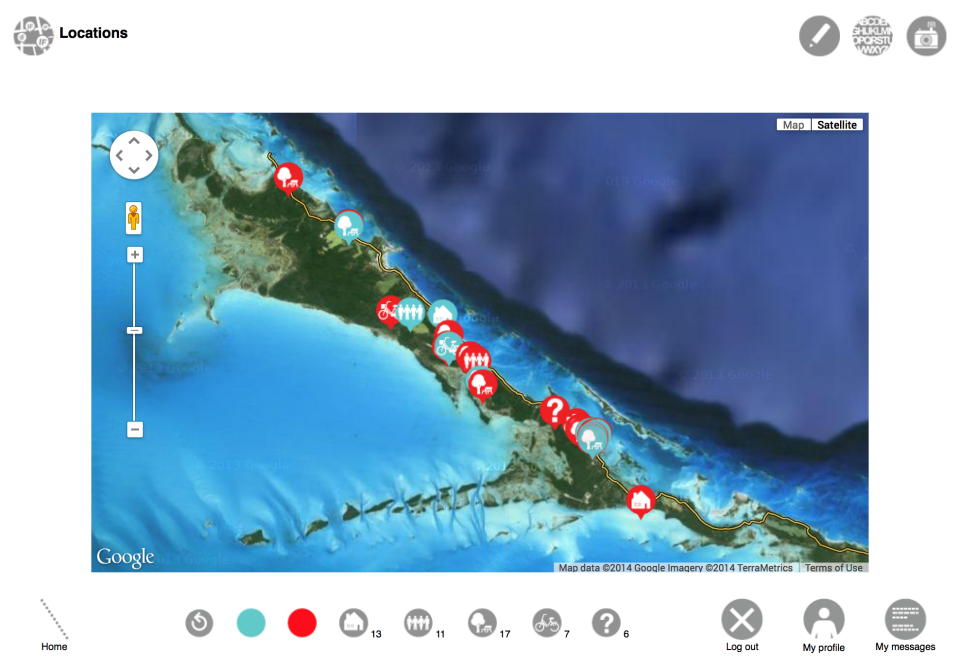
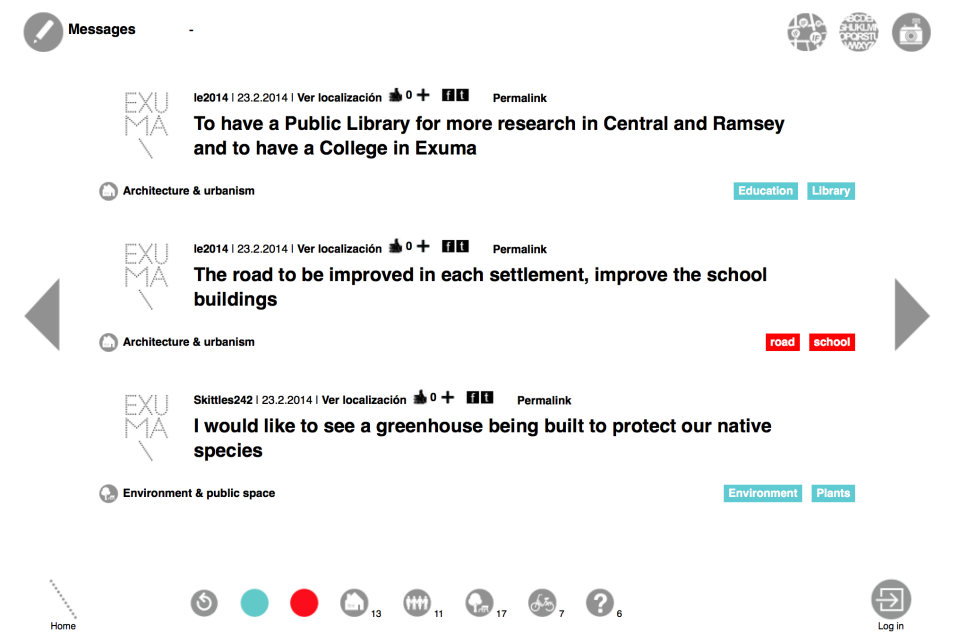
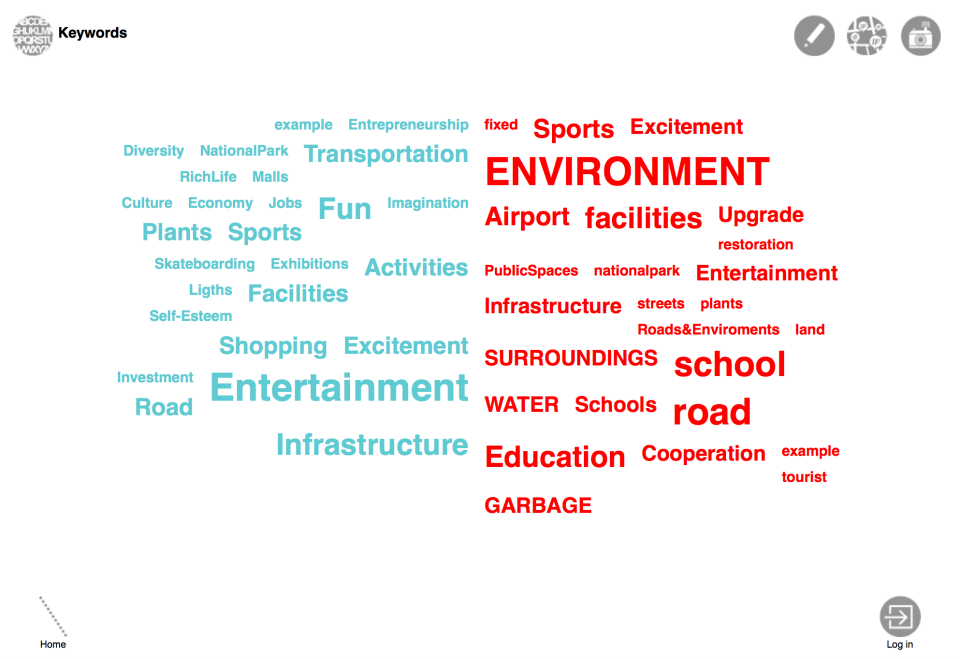
Como en otras ocasiones hemos utilizado, previa adaptación a nivel gráfico, la herramienta Whatif [Editado 2015: ahora llamada local in] para recoger de manera digital las ideas de los participantes. La plataforma resultante, www.exumadreams.org está y seguirá estando activa durante los próximos meses como canal abierto de comunicación con todos aquellos que quieran mantener el diálogo y seguir participando.
Para los que no estéis familiarizados con la herramienta, Whatif es una aplicación web y móvil adaptada a la publicación de mensajes geolocalizados: los usuarios escriben sus ideas, opiniones o propuestas en 140 caracteres y las clasifican por categorías y ubicación, de modo que puedan ser consultadas, valoradas y compartidas en tiempo real. La desarrollamos como una herramienta para asistir procesos de participación ciudadana y creatividad colectiva, facilitando las tareas de consulta, prospección y visualización de una gran variedad de datos.
La aplicación es open source y está disponible para su libre descarga en la página oficial, en la que en breve anunciaremos una nueva versión bastante mejorada.

exumadreams con whatif – captura de la pantalla principal
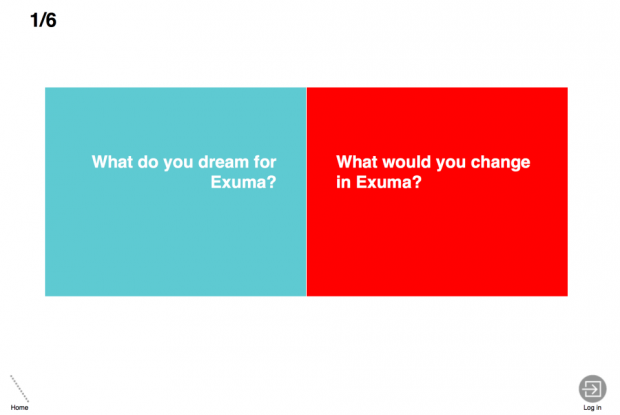
exumadreams con whatif – captura de la entrada al formulario
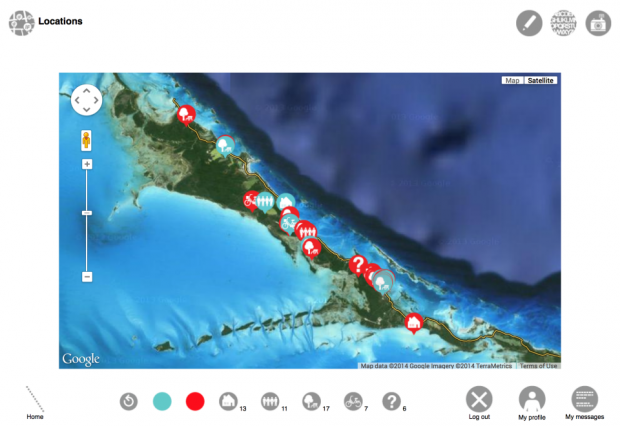
exumadreams con whatif – captura de la vista de mapa
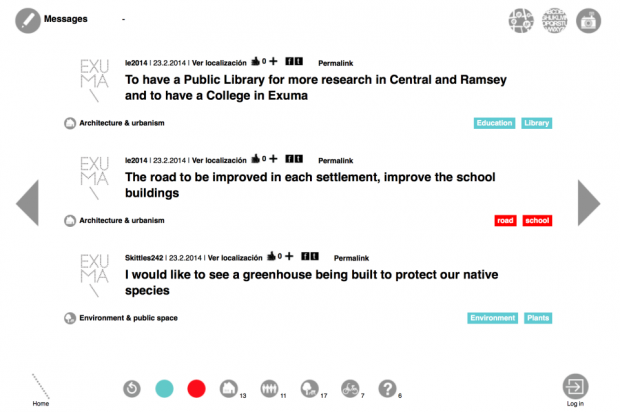
exumadreams con whatif – captura de la vista de mensajes
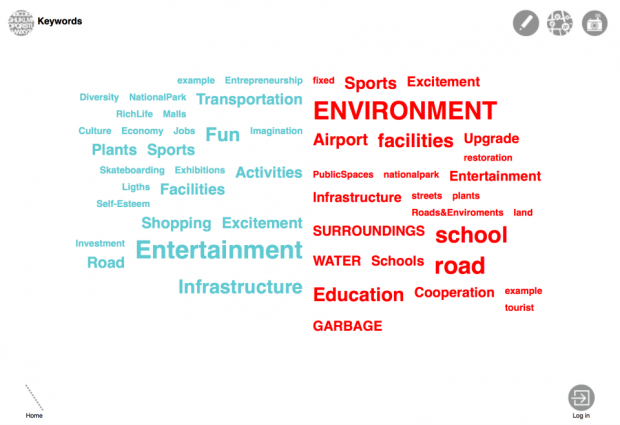
exumadreams con whatif – captura de la vista de etiquetas
www.exumadreams.org
4. Origami garden of exuma dreams- Jardín de los sueños
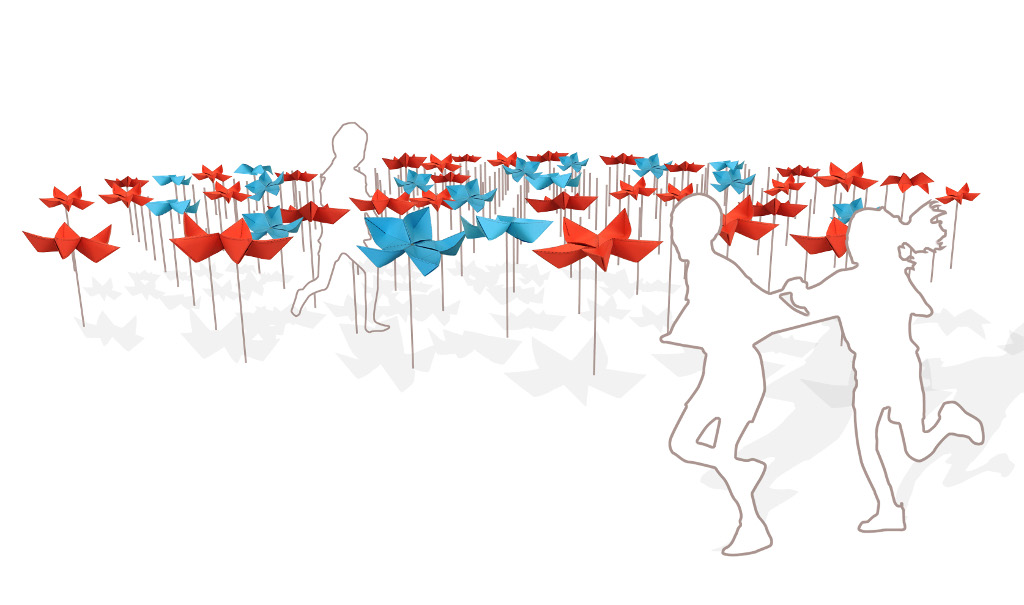
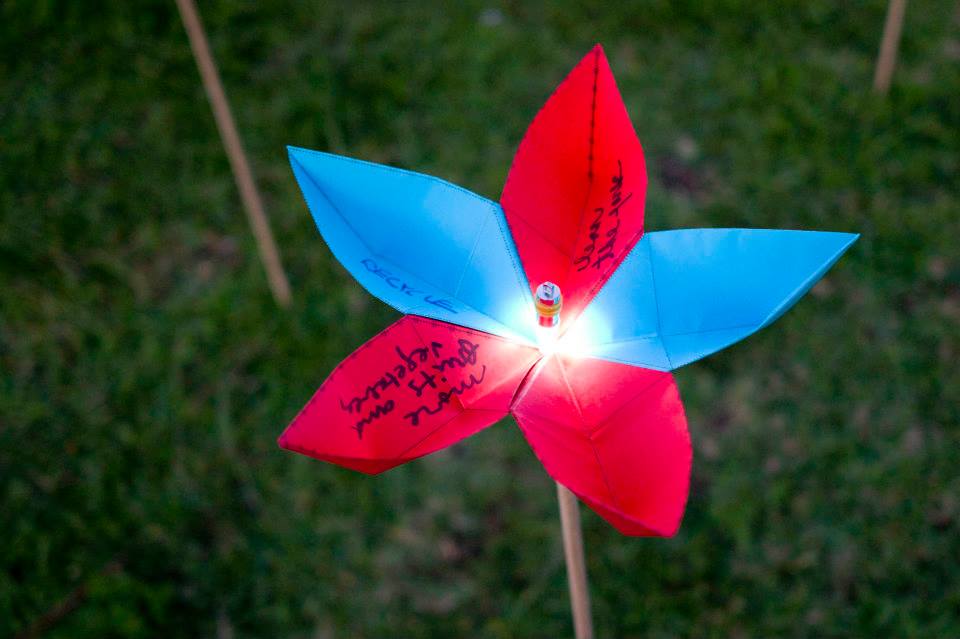
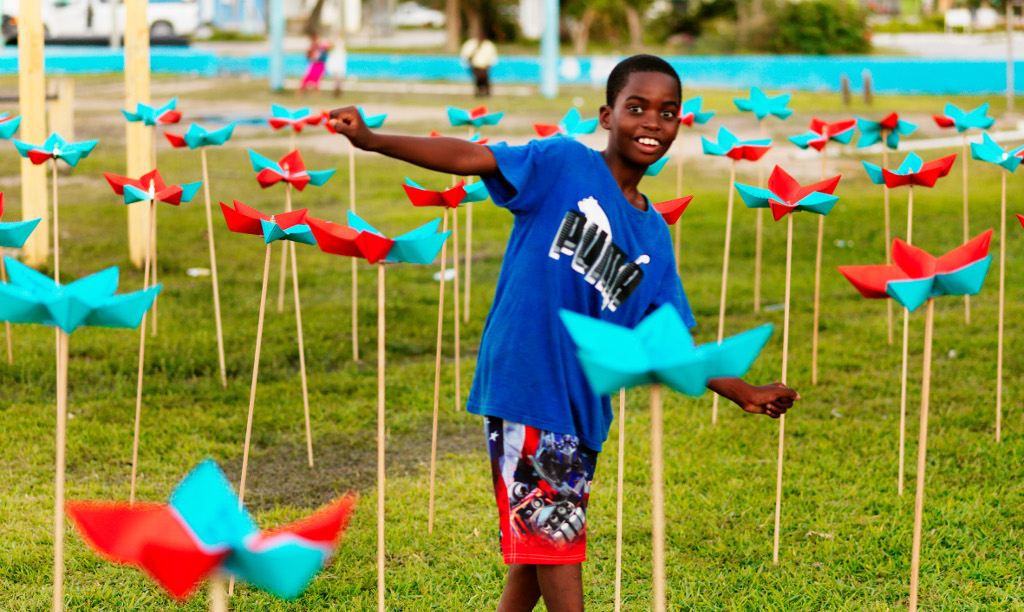
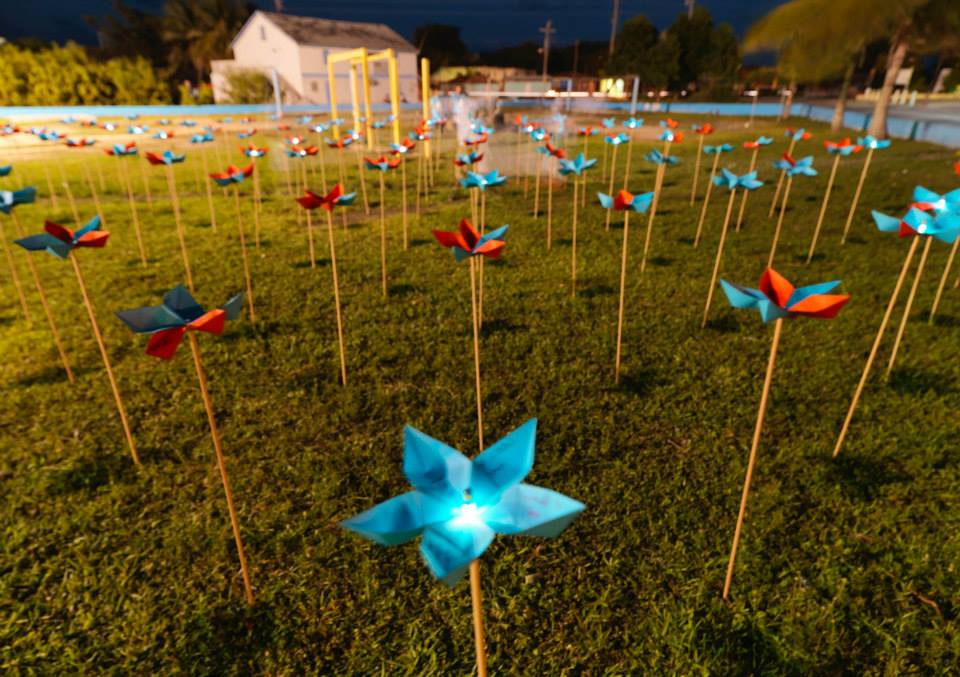
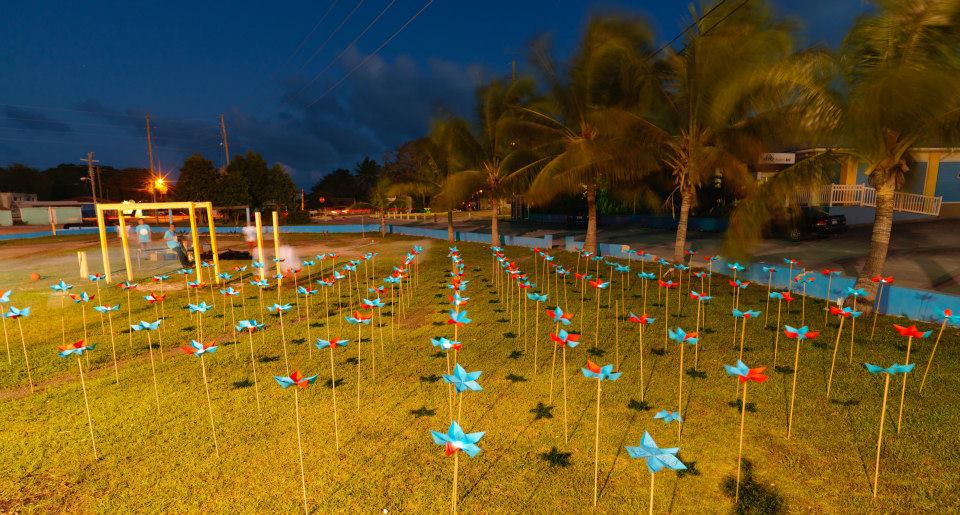
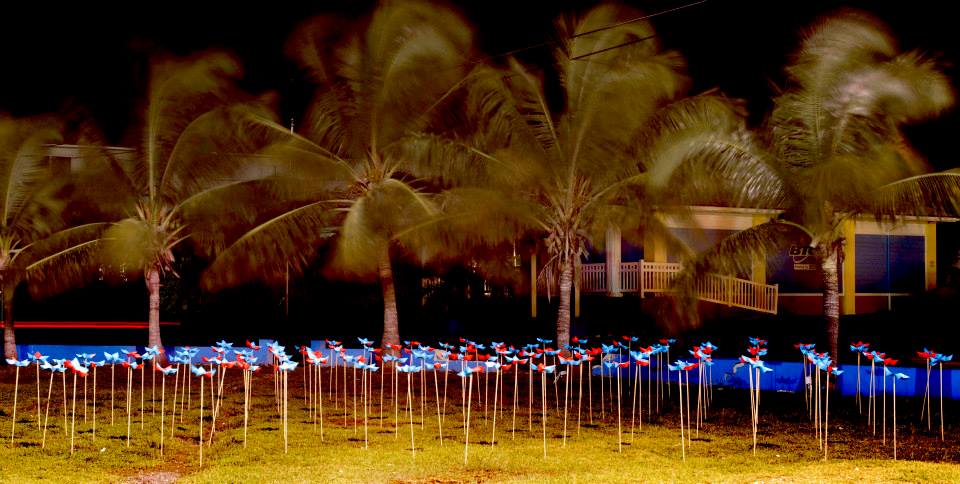
El último día de la semana, realizamos una instalación con todas las ideas recogidas durante todo el proceso, un montaje efímero y simbólico de los deseos para Exuma, Georgetown y el espacio público de la ciudad. Un jardín de flores de papel rojas y azules, cada una de ellas de 5 pétalos con las diferentes ideas y deseos.
Este Jardín de sueños nos permitió mostrar a la comunidad local el trabajo realizado durante todo el proceso de talleres y actividades, al mismo tiempo que transformamos temporalmente el espacio público de Georgetown, atrayendo la atención sobre la necesidad de revitalizar este espacio.
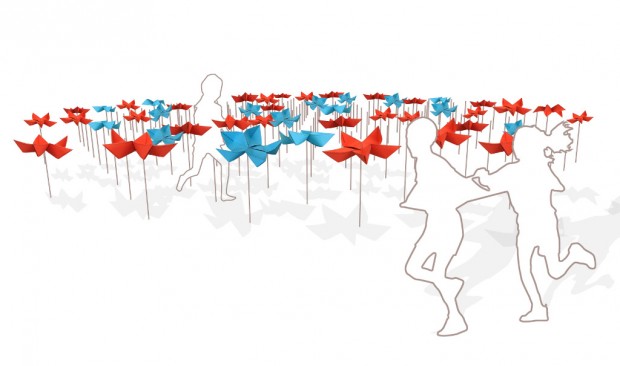
Boceto de concepto para la instalación
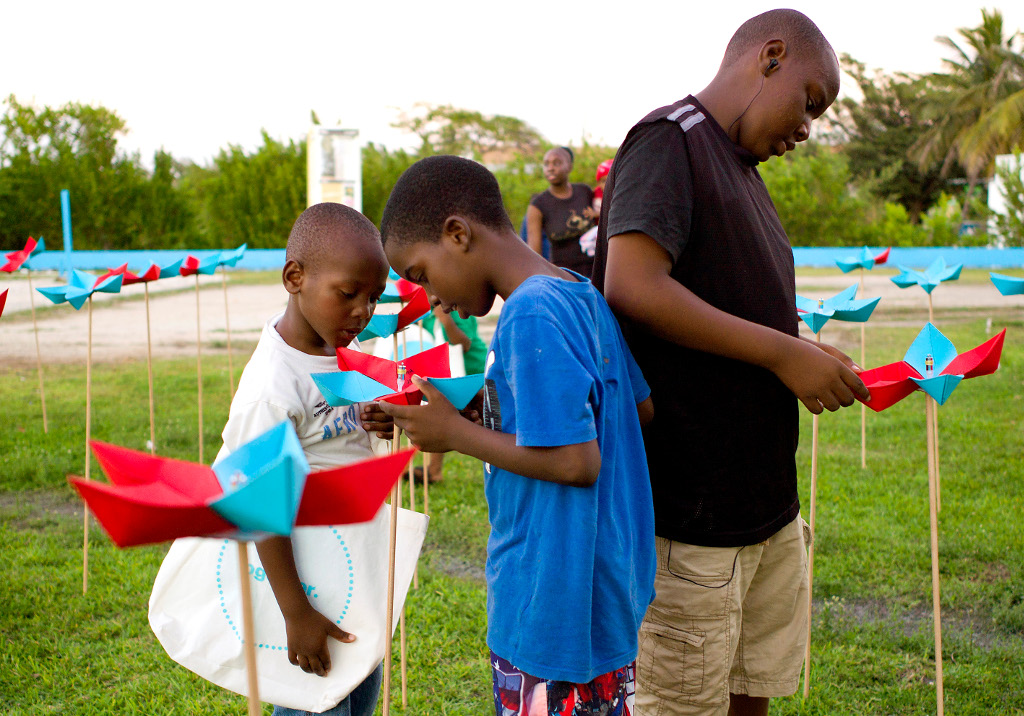
En cada flor se instaló una micro-lámpara LED de luz intermitente, creando un efecto lumínico vibrante que contribuía a destacar la multiplicidad y variedad de las ideas recogidas. La gente paseó por el Jardín de los sueños leyendo y descubriendo las reflexiones colectivas.
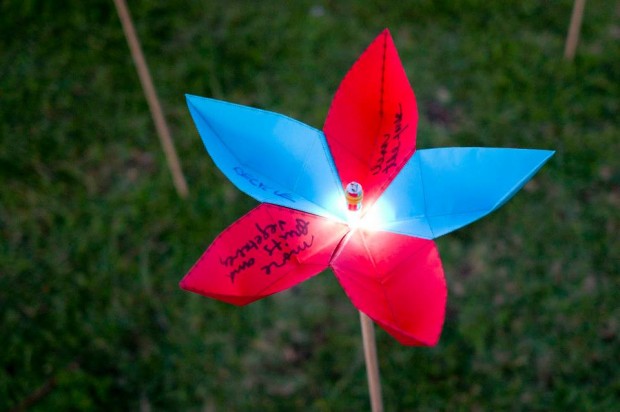
La “flor” resultante…
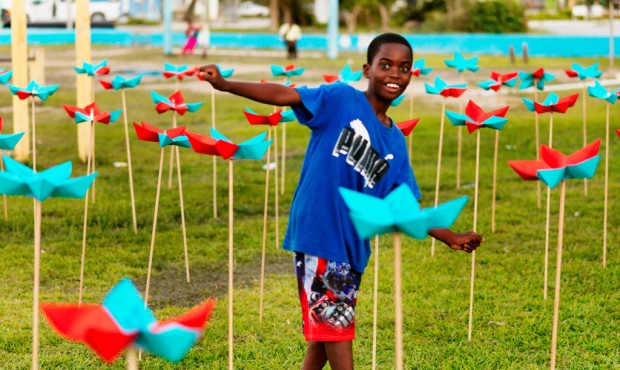
… y las flores formando un jardín
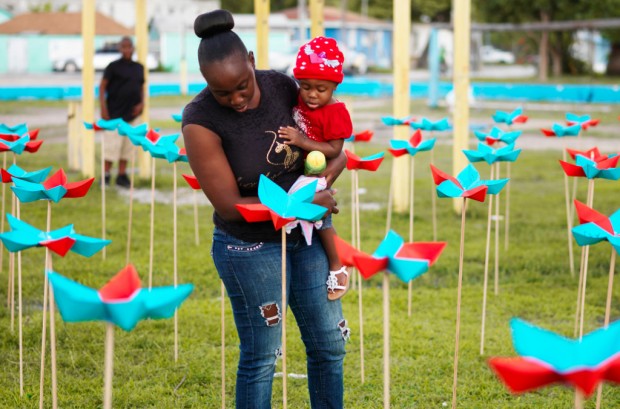
Personas visitando la instalación
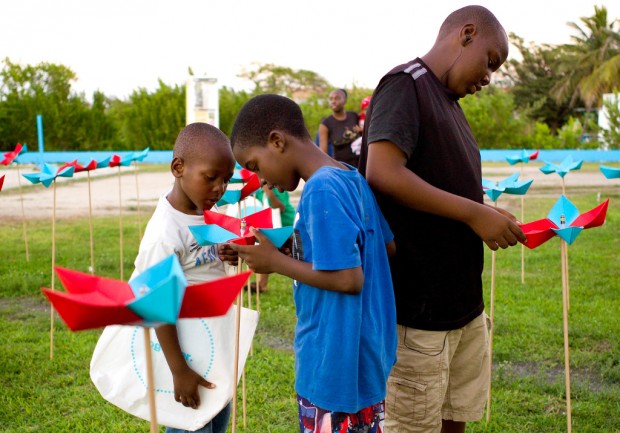
Personas visitando la instalación
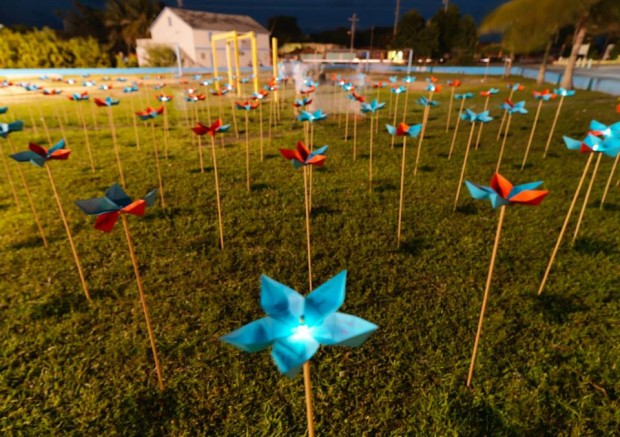
Vista nocturna de la instalación

Vista nocturna de la instalación
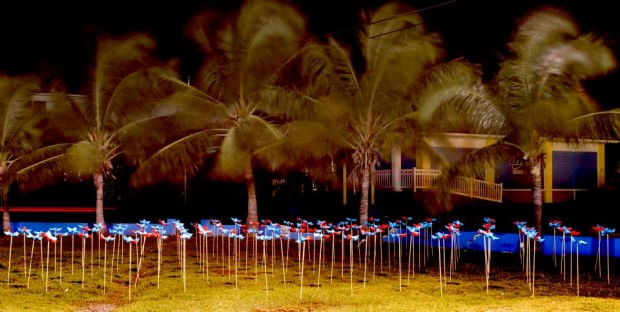
Otra vista nocturna de la instalación
Una vez de vuelta, comienza el trabajo de laboratorio. Procesar todo el material recogido y transformar los deseos y sueños de los habitantes de Georgetown diseñando una intervención catalizadora para este espacio público tan importante para la vida de esta comunidad.
Más información sobre el proyecto:
www.sustainableexuma.org
www.exumatopics.org/about
Más fotografías sobre el proyecto en su página de Facebook
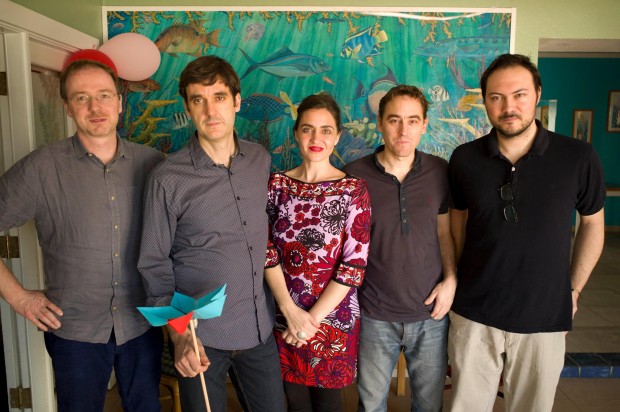
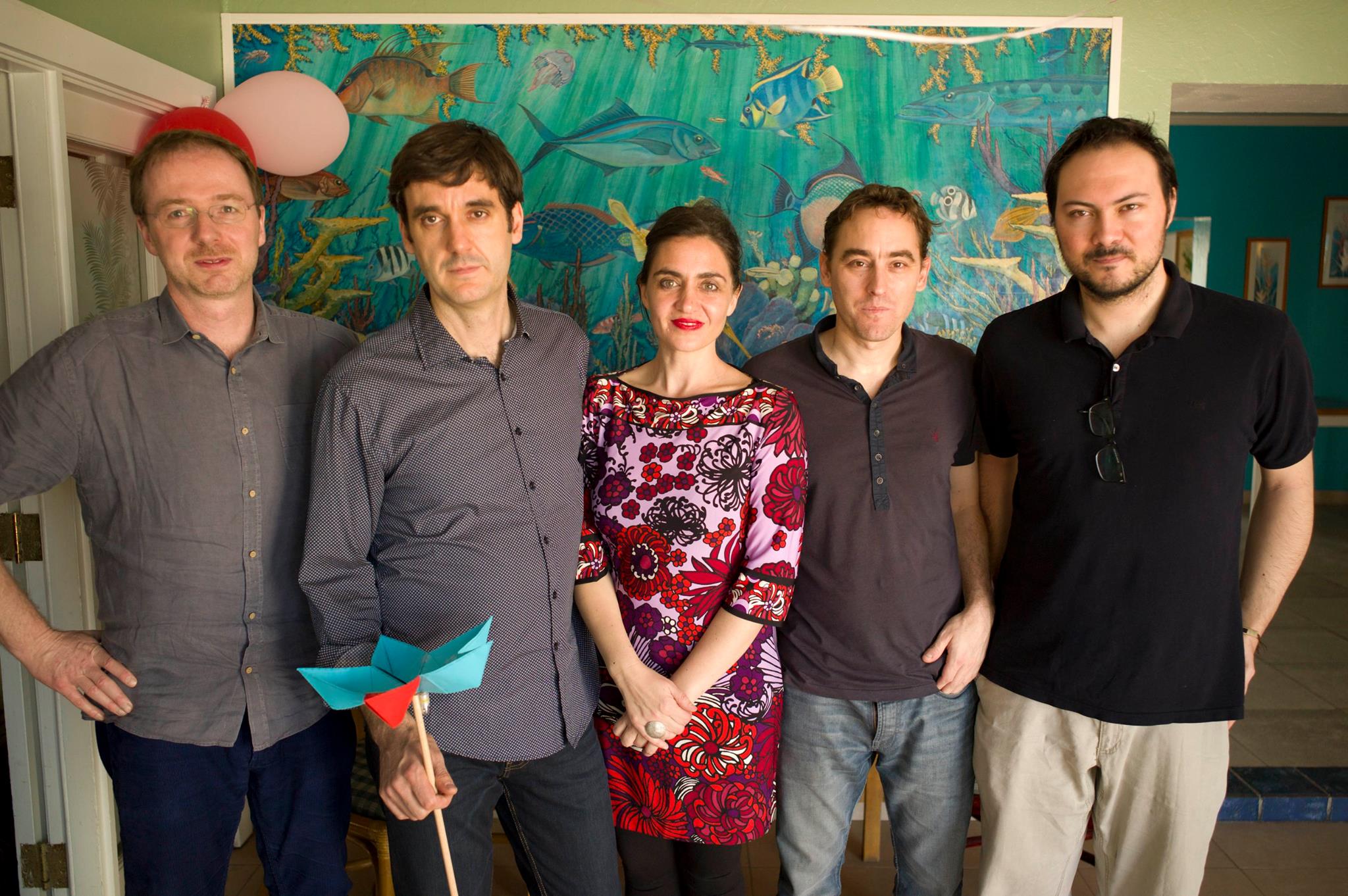
El equipo visitante, de izquierda a derecha: Gareth Doherty, Jose Luis Vallejo, Belinda Tato, Jose María Ortiz y Mariano Gomez
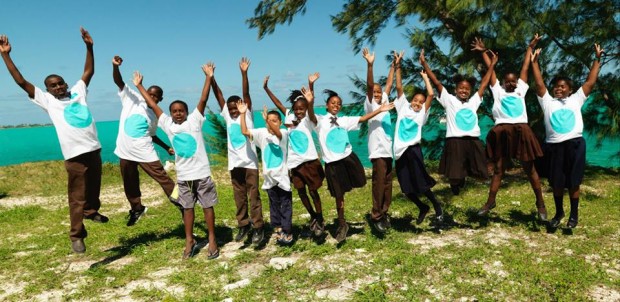
¡Saludos desde Exuma!