Belinda Tato and Jose Luis Vallejo will be teaching at the Master in Work Space Design organized by the IE School of Architecture and Design, which will take place next year. They will be conducting the Design and Technology Lab with attended sessions in London and Madrid and on line sessions during winter 2013.
‘The Master in Work Space Design is a pioneering program based on analyses, skills and strategies for understanding and proposing creative ideas for the changing work place. The complex issues affecting the work environment, business and the individual today must take into account changes in technology, new forms of communication, increasing globalization, sustainability and of course, stakeholders’ expectations. Within the Master of Work Space Design all these issues will be explored and the most innovative solutions will be developed’.
Tomorrow October 16 José Luis Vallejo and Belinda Tato –Harvard GSD Design Critics in Urban Planning and Design– will be speaking on the design of environments, spaces and dynamics in order to improve the self-organization of citizens, social interaction within communities and their relationship with the environment.
¡Ya hemos comenzado el curso en Harvard! @jlvmateo y @belindatato somos este cuatrimestre de otoño profesores invitados en el máster del GSD de Harvard. Nuestro studio se llama “Networked Urbanism“.
El pasado día 30 de agosto fue la presentación del curso, el llamado “lottery day” donde todos los estudiantes de la escuela asisten a las presentaciones de los profesores invitados cada cuatrimestre y después eligen su grupo favorito. Esta vez, compitiendo por el favor de los estudiantes, podíamos encontrarnos con estrellas del firmamento arquitectónico de las últimas décadas (Nathalie de Vries de MVRDV, Christian Kerez, Ben van Berkel, …).
Esta es una foto del momento de la presentación del curso #networkedurbanism que nos hizo Blanca Abramek (@tendrebarbare) desde el auditorio:
Finalmente nos eligieron un grupo de estudiantes con perfiles muy distintos e interesantes, una mezcla de arquitectos, landscape architects y planners.
Si queréis estar al tanto de la producción de los estudiantes podéis seguir el curso en el blog del studiowww.networkedurbanism.com donde estamos compartiendo enlaces y referencias. En Twitter podéis seguir #networkedurbanism donde estamos compartiendo información permanentemente.
Os dejamos con el brief del curso y la presentación. Enjoy it!
Course Description
The boundary between public and private is shifting. The one between personal and professional is becoming increasingly blurred. This rapid evolution has led us to conceive and experience physical space differently than in the past. Real-time connectivity, ubiquity, unlimited access to large flows of information and knowledge, have also altered the way we relate to and work with each other. However, despite those rapid social and technological changes, city planning processes worldwide remain dull, bureaucratic and insensitive to how humans experience the city.
This studio will bring an alternative to the traditional way of designing cities from a bird’s eye view, and a single designer’s perspective. It will not only examine the physical dimension of the city, but also its social processes and fluxes.
Students will be encouraged to use this data to develop individual and collective initiatives that generate spontaneous transformations and set up conditions for change instead of delivering a completely finished product.
In a connected world, an urban design should be the result of an open and multilayered network of creative designers, technical experts, citizens and stakeholders. The studio will challenge the students to develop designs that reconcile the existing physical conditions—that respond to lifestyles from the past—with the emerging needs of the citizens through network design thinking.
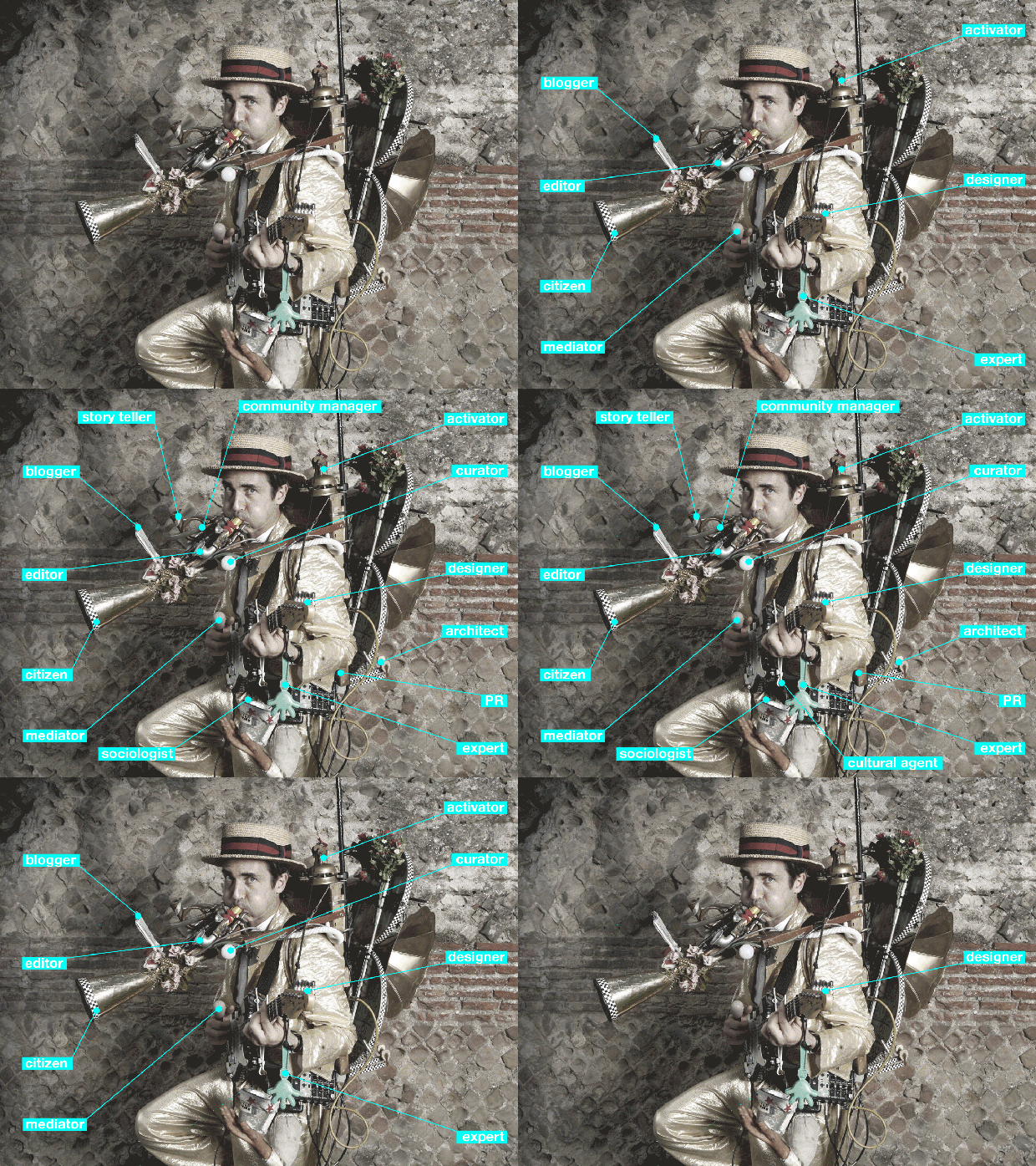
We will also explore the new role of a designer as an activator, mediator and curator of social processes in a networked reality in which citizens have shifted from being passive receivers or consumers to active producers or prosumers.
Main topics will include: communication and information technology, open data, mobility, open source, transparency/mapping, activism, design thinking and environment awareness.
La presentación original consta de una serie de GIFs animados que se reproducen en bucle mientras se explica cada apartado. Aquí, por facilidad de comprensión, hemos puesto cada animación por separado, acompañada del texto correspondiente de la presentación (en inglés).
00 #networkedurbanism
We are presenting our option studio called Networked Urbanism:
01 What?
Urbanism is the mirror where other aspects of society and layers of information reflect. Architects, Sociologists, economists, geographers, seem to be cloistered in their specificconceptual worlds and focus on developing only certain aspects of the problem linked to their interests and profession:
We believe that in today’s connected world, an urban design should be the result of an openand multilayered network of creative designers, technical experts, citizens andstakeholders, combining design with data, needs, inputs. As David Harvey states in his article The Right to the City:
“The right to the city is not merely a right of access to what already exists, but a right tochange it after our heart’s desire”
Within this new context, it is necessary to explore the new role of the designer as an activator,mediator and curator of social processes in a networked reality in which citizens haveshifted from being passive receivers or consumers to active producers or prosumers:
In addition, Internet is the “space” where the most successful models of collective creationand self-organization are taking place. Internet is the most democratic space, the platformwhere every citizen can express him/herself freely and horizontally, the space where ideasflow in every direction.This studio will bring an alternative to the traditional way of designing cities from a bird’s eyeview, and a single designer’s perspective. It will, not only examine the physical dimension of the city, but also its social processes.Students will be challenged to develop designs that reconcile the existing physical conditions-that respond to lifestyles from the past- with the emerging needs of the citizens throughnetwork design thinking.
02 How?
In contrast with a more traditional way of teaching in which information goes unidirectionally from ‘knowledge-owners’ to ‘knowledge receivers’. We do apply the concepts of active learning, which focuses the responsibility of learning, on learners; learning by doing, an active constructive learning process, and networked learning, a process of developing and maintaining connections with people, information and communicating in such a way so as to support one another’s learning. The central term in this definition is connections. Connections among students as well as connections between students and information:
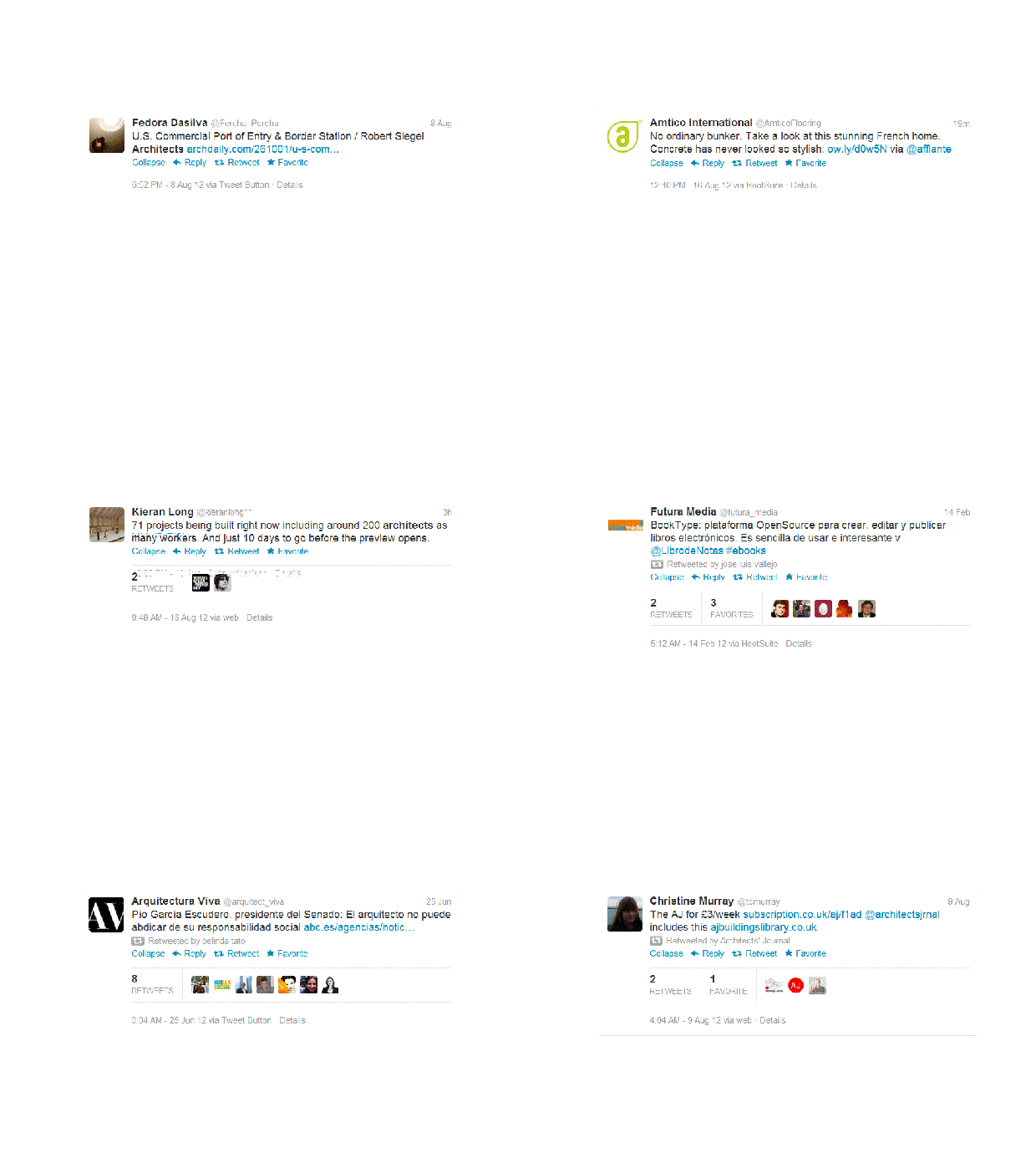
We will become a networked group using a studio Twitter network for sharing knowledge,experiences, references and comments throughout the whole process.
This course is for active, curious, versatile, open minded and creative people regardless their previous background, experience or computer skills.
We understand our role as designers is challenging since one has to overcome all kind of obstacles. So we want to make of this studio a training experience.
You could either be a MacGyver type of personality, being able to implement amazing devices from a piece of cardboard, a chip and chewing gum; or a computer geeky updated version of NEO in the movie Matrix, working on his own individually in a room but actively connected to the network community. You are all welcome.
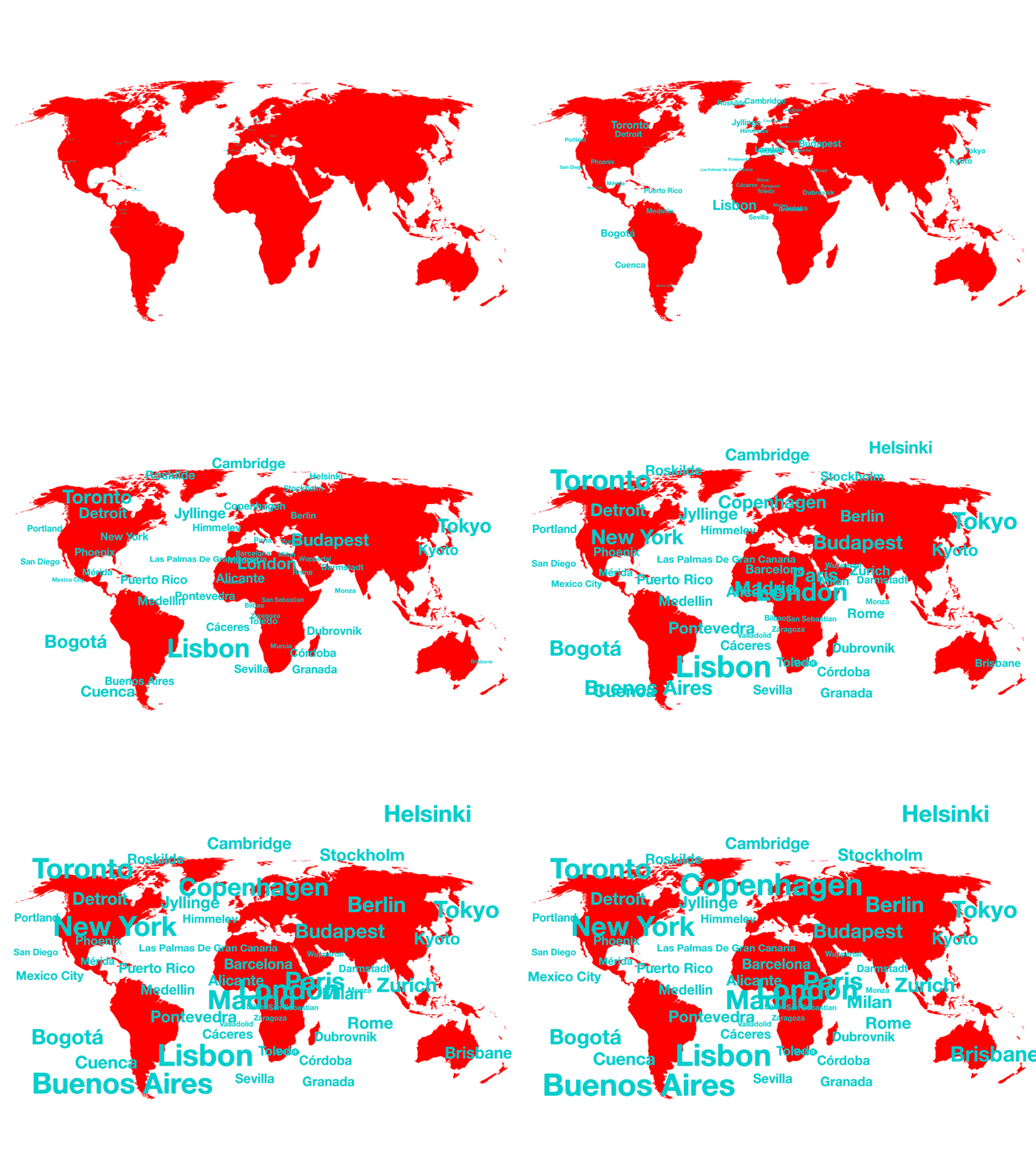
From all the possible /fascinating cities worldwide, we decided to explore the city that surrounds us: Boston.
04 Where?
Students will be encouraged to explore and discover its community, economy, social networks, environmental challenges, digital layer, physical infrastructure, public space, and more. Creating connections and links between existing initiatives and their own projects.
Instead of experiencing just the physical sphere of the city, we will arrange an anthropological tour to meet interesting professionals who are dealing with urban issues in different ways and by different means. This will give us a different perception of Boston, revealing layers which are currently invisible to us.
05 When?
Instead of air-commuting, parachuting and landing every two weeks, we decided to camp this time.
We will be based in Boston to share the experience with you and make the most out of it, so we will be available every week with studio meetings on Tuesdays and Thursdays. There will be both collective and individual sessions.
In addition the group will be real-time connected with Twitter.
06 So what?
Outcomes from our different teaching experiences are diverse: from socially engaged projects working with the community to designing a responsive interactive façade and building a prototype of it. From working with Arduino electronics, to instantly transforming a deprived corner of the city by hand work getting new reactions from people.
From creating a digital interface to enhance community networking to building a mobile kitchen as a catalyst for the activation of a central city square.Spain, Norway, Denmark, France, Italy, Bahrein, US … different environments and different cultures but always a lot of shared energy and enthusiasm. We are very happy to say that some of these projects developed within the studios grew beyond the academic boundaries becoming professional investigations and businesses:
ecosistema urbano is a Madrid based group of architects and urban designers operating within the fields of urbanism, architecture, engineering and sociology. We define our approach as urban social design by which we understand the design of environments, spaces and dynamics in order to improve self-organization of citizens, social interaction within communities and their relationship with the environment. We have used this philosophy to design and implement projects in Norway, Denmark, Spain, Italy, France and China.We have a background in architecture and urban design and we build buildings, we organize demonstrations, we design urban strategies, working in both the physical and digital spheres. We are currently exploring new ways of engaging citizens into urban design matters.
DREAM YOUR CITY is our latest project, developed for the city of Hamar in Norway. It was officially presented short before at the opening of the Biennale of Architecture in Venice:
We hope you enjoy it and get some inspiration for the Fall! We are thrilled to be back here at the GSD and we are looking forward to start!
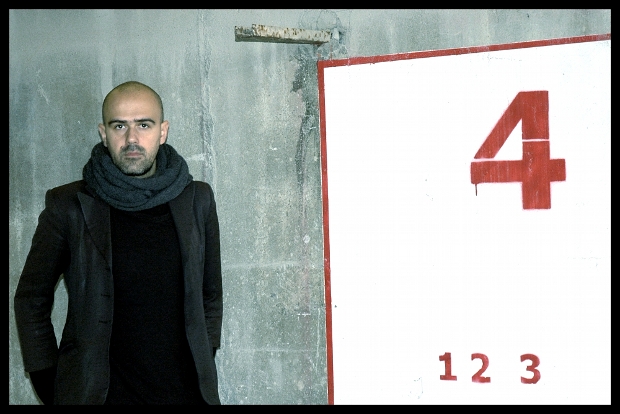
Today we introduce Francesco Cingolani, one of our closest collaborators in the past couple of years. In the following post he explains some of his projects and interests, and his experience in Ecosistema Urbano.
Photo above by urban sociologist Andres Walliser, good friend and collaborator.
I have studied architecture and engineering and I’ve always been interested in the relationship between creativity and new technologies, more than in building. For the last 3 years I’ve been payed to work as an architect, professional blogger and creative project manager. Since 2012 I’ve been teaching parametric design in Paris at “École d’architecture de la ville et des territoires” in Marne-la-Vallée.
I recently started my first projects as entrepreneur: one is a creative cohousing in Madrid and the other is about going into Parisian apartments and create handmade Italian pasta; the project is called farine00 and I’m in this with Valentina, in the photo below. At the moment, people are just crazy about those projects but we still don’t get any income from them. Old story.
I am 34, Italian and I have been living in Paris for 9 years. 3 years ago I quit my job at Hugh Dutton Associates to move to Madrid and work with Ecosistema Urbano, Basurama, Meipi and other amazing people from Spain.
In Ecosistema Urbano, I was in charge of the DIGITAL COORDINATION of dreamhamar, a network design and participation process in Norway. It was the most interesting project I participated since I am working. It was also the most stressful one. Old story.
I think that the most interesting shift in recent design experience is that we have passed from designing object to designing networks and processes. That’s why for dreamhamar we’ve developed a network design methodology. As a project manager, I also applied minimalism as a management tool for highly complex processes which often tend to information overload.
At Ecosistema Urbano I also was in charge of the development of Urban Social Design Experience, a network learning experience focused on participatory processes and sustainability.
Before that, I took part in some more architectural projects. I especially like this one with Ecosistema Urbano and Koz and the new Louvre in Paris with Hugh Dutton Associates, that is opening in September (photo below).
Since january 2012, I am trying to work no more than 3 hours per day and check my email box only 3 times a week. The italian newspaper “Il Corriere della Sera” featured my story as an example of downshifting in its magazine “Sette”.
I am a walker, and last year I realised intraverso, a slowlife and storytelling project in collaboration with the Italian magazine whymarche. The project included a slow, walking trip through Italian countryside and a digital journal.
Since 4 months ago I am moving through Europe and working remotely without a unique location, even if I consider Paris as my principal home. I don’t have a clear idea of what I am doing in the next future. Looking for new stories.
When writing for the Internet like this, I like sharing details of my physical location:
The Cultural Rucksack (Den Kulturelle Skolesekken) is a Norwegian national programme for art and culture provided by professionals in Norwegian schools. The programme helps school pupils to become acquainted with all kinds of professional art and cultural expressions. Last year Hamar Kommune decide to connect it with the project Dreamhamar which was at that point under development. This meant that 1292 students from different local schools joined dreamhamar providing their own ideas for the square Stortorget.
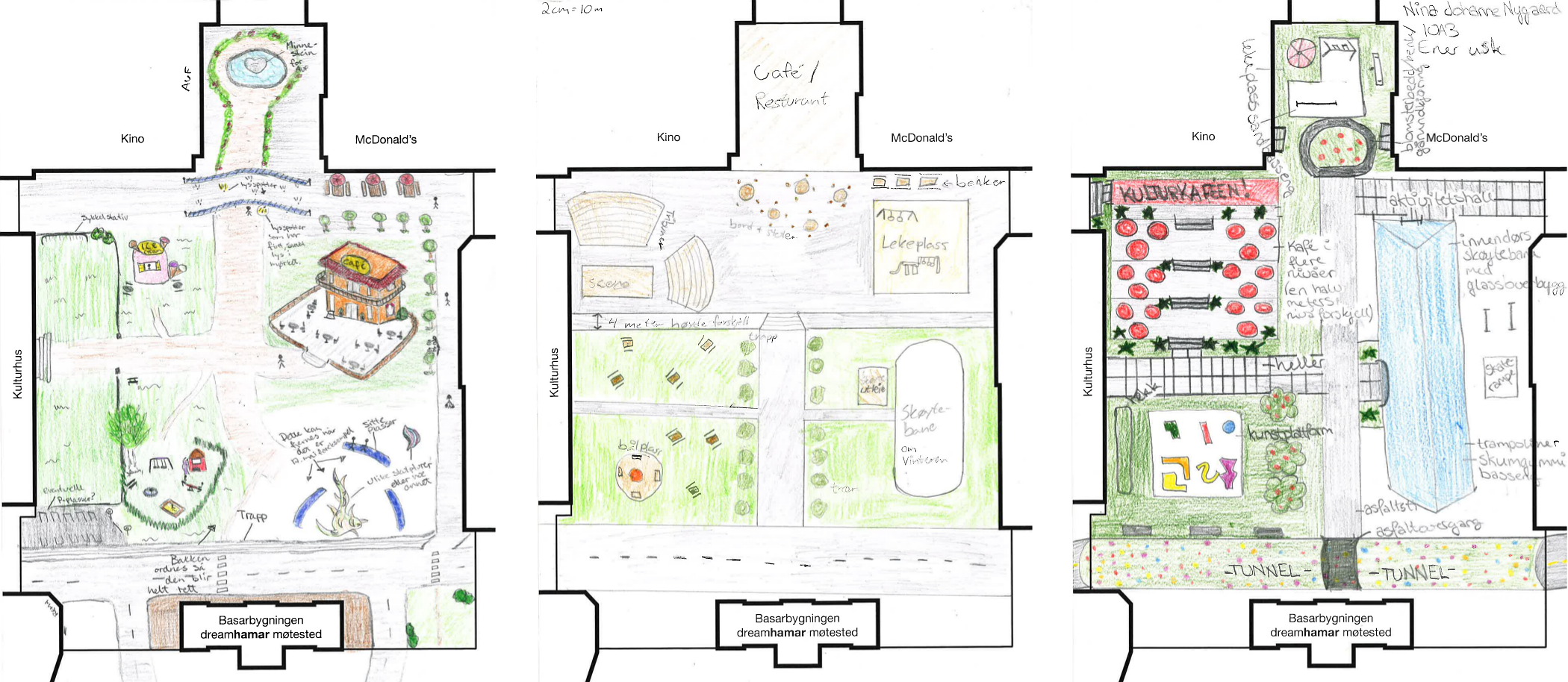
From fountains to hot dogs, from ice skating rinks to dancing contests, all sort of ideas emerged through the process and some of them made it through influencing the final design.
This year, again, the Kommune joined Den Kulturelle Skolesekken with Dreamhamar and our colleague Liz Eva Tollefsen is working on site, sharing with a new group of students the whole creative process as well as the final design we delivered last July.
We are really looking forward to see this year’s ideas and we hope kids get interested on urban landscape and design.
If you are curious about last year’s activities, you can check our Flickr galleries, featuring a small selection of the more than 1000 drawings and models we collected:
From past August 27th to November 25th, the Venice Biennale of Architecture, titled “Common Ground”, is open to visitors; and so is SpainLab, the Spanish pavilion, in which we were invited to take part for this edition.
The curators Antón García-Abril and Débora Mesa proposed us to show the way we work, according to the “lab” approach of the pavilion. We decided to do this with a single project, Dreamhamar, which incorporates many of the concepts, objectives and means that Ecosistema Urbano has been working on and is currently experimenting with: urban development, advocacy, citizen participation, workshops, digital tools, design, open culture, network learning, urban actions, network design…
We understand the role of the architect and urban planner is undergoing a huge transformation according to the new needs of contemporary society. This forces us to redevelop a whole “set of tools” to be able to meet these new needs and challenges. Under the title of DREAM YOUR CITY we explain these new tools or methods we are dealing with and the way we think network design can be applied to socially engaged designs for the creation of city spaces. This 90 seconds movie illustrates how we understand network design and how we specifically implemented it in Hamar or how it could be applied somewhere else.
Video by ecosistema urbano + forma.co
Considering the ephemeral nature of the exhibition, we chose to make it a simple, lightweight installation, consistent with the way we are used to work in this kind of projects: trying to get the most out of minimal resources and low-cost means. Almost all materials needed for the installation were taken to Venice by ourselves, as checked-in luggage.
The paint that covers the floor and the walls, made by urban artists Boamistura, transforms the perception and character of the space with a single intervention, bringing to the hall the look and feel of the previous PaintHamar urban action in Stortorget, the main square of Hamar. The natural light, the seats integrated on the floor and the trampoline all recall that outdoor public space and invite visitors to occupy it with their minds and bodies.
Seven small screens show videos telling different aspects of the network design process we deployed in Hamar, giving the visitor some brief glimpses of the variety and complexity of the project without trying to explain it thoroughly –which will be done soon in a more suitable format.
A series of real-scale pictures of various day-to-day objects that were used during Dreamhamar, some of them being physically on display, show the variety of work/life situations that the team had to cope with while working in this project both remotely from Madrid and locally in Norway. From the more disciplinary tools to objects related to social life or cultural events, they evoke the changing role of the urban professional.
Here are some quick photos we shot during the process, taken from the Flickr gallery.
We invite you to visit the installation, have some fun jumping on the trampoline and imagining you are in Stortorget, and share your thoughts –and your photos!– with us on Twitter, Facebook or just down here in the comments.
Por fin, tras un prolongado silencio veraniego, ¡volvemos con el blog! Un silencio que no ha sido —sólo— de descanso y desconexión, sino también debido a la gran actividad que hemos tenido en el estudio, ocupados con varios proyectos que os iremos contando en las próximas entradas.
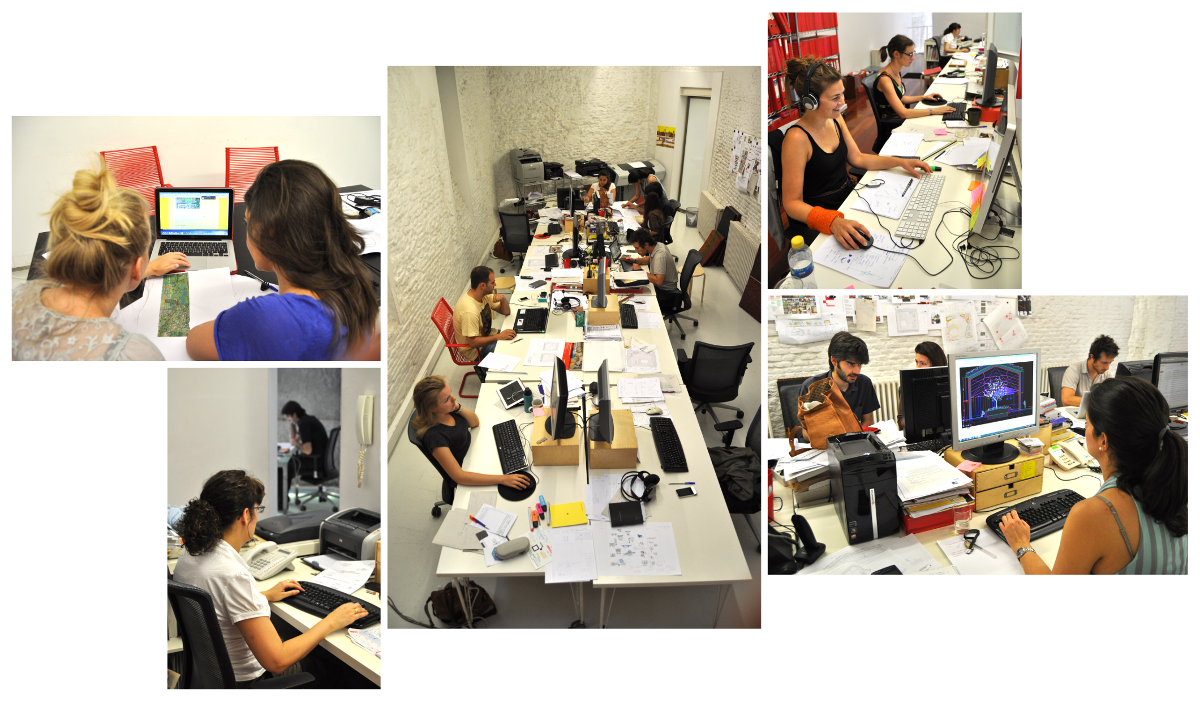
Han sido unos meses intensos, con la oficina llena de gente y de energía, con una mezcla refrescante de idiomas y culturas diferentes, y volvemos ahora con ganas tanto de retomar cosas pendientes como de comenzar un nuevo período en la actividad de Ecosistema Urbano.
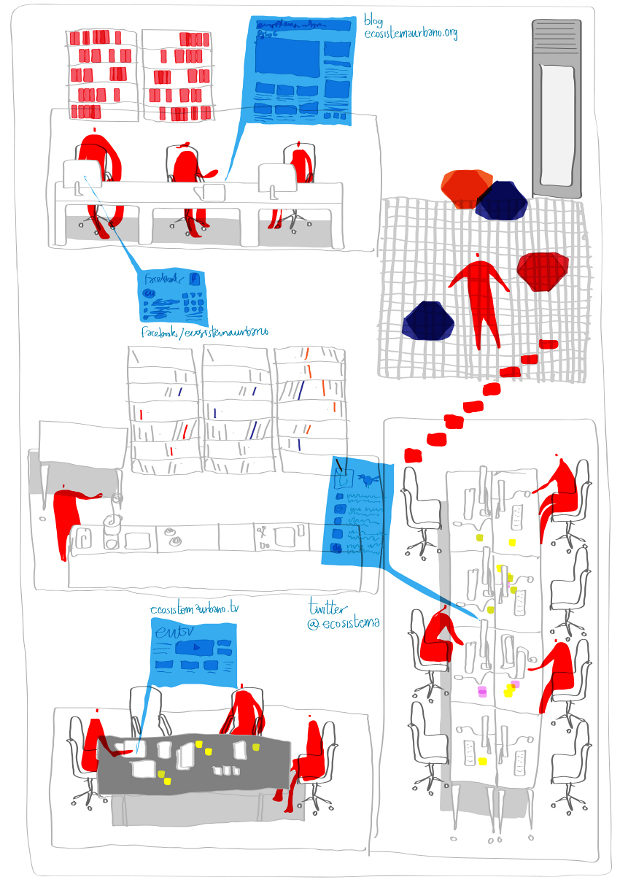
Así que aquí estamos de nuevo, poniendo en marcha nuestros espacios físicos y digitales, en los que esperamos encontraros a todos, colaboradores, clientes, seguidores, colegas y amigos, de una u otra manera.
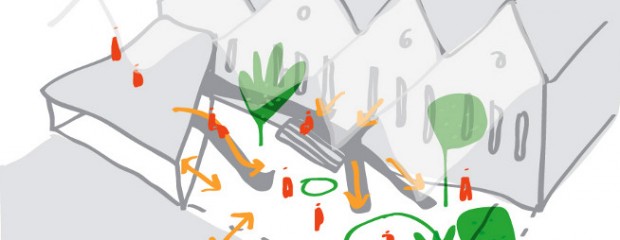
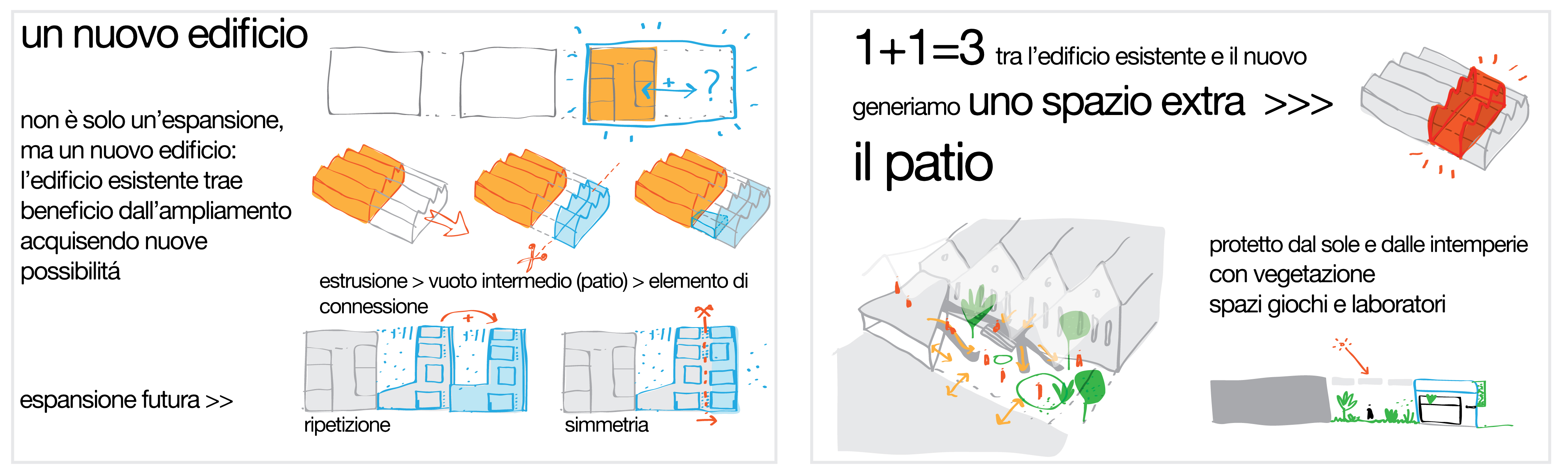
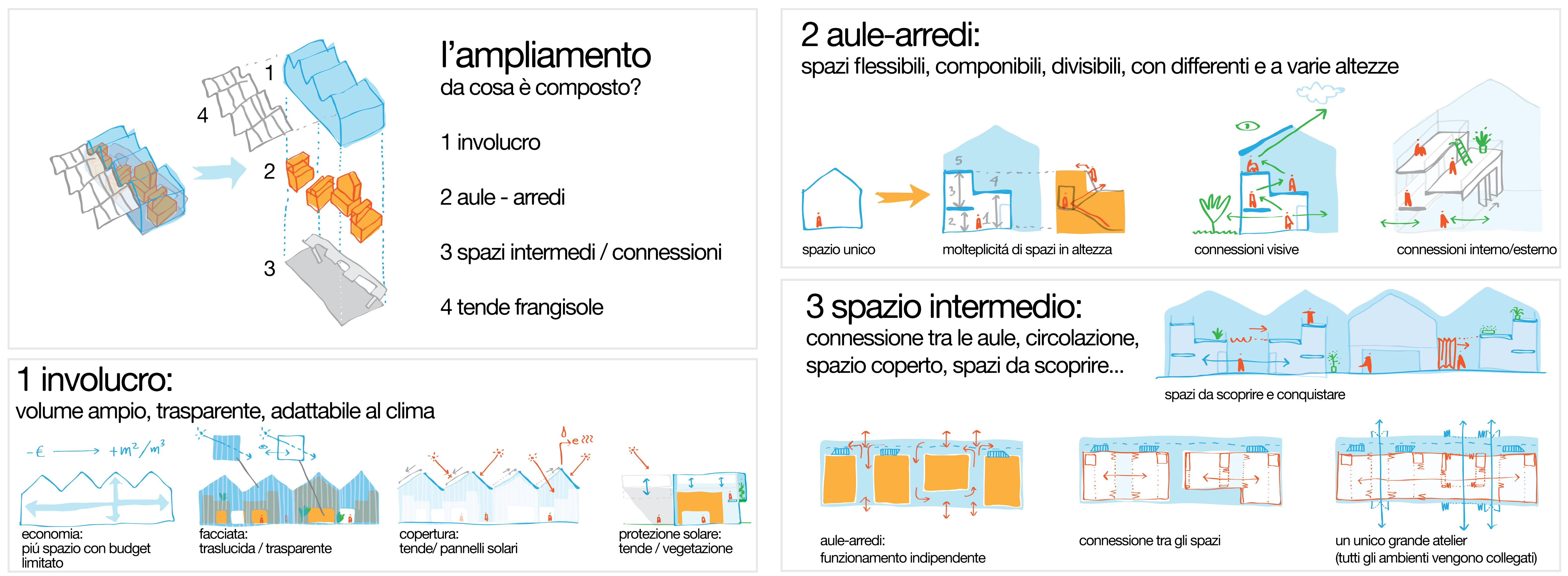
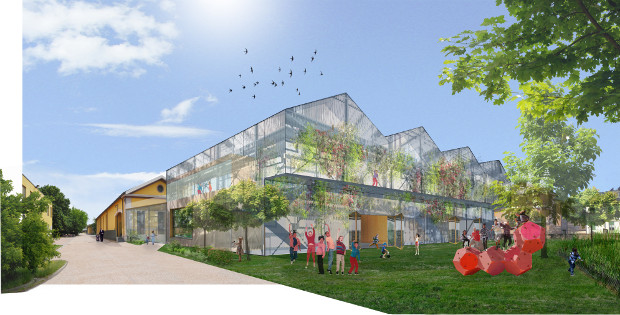
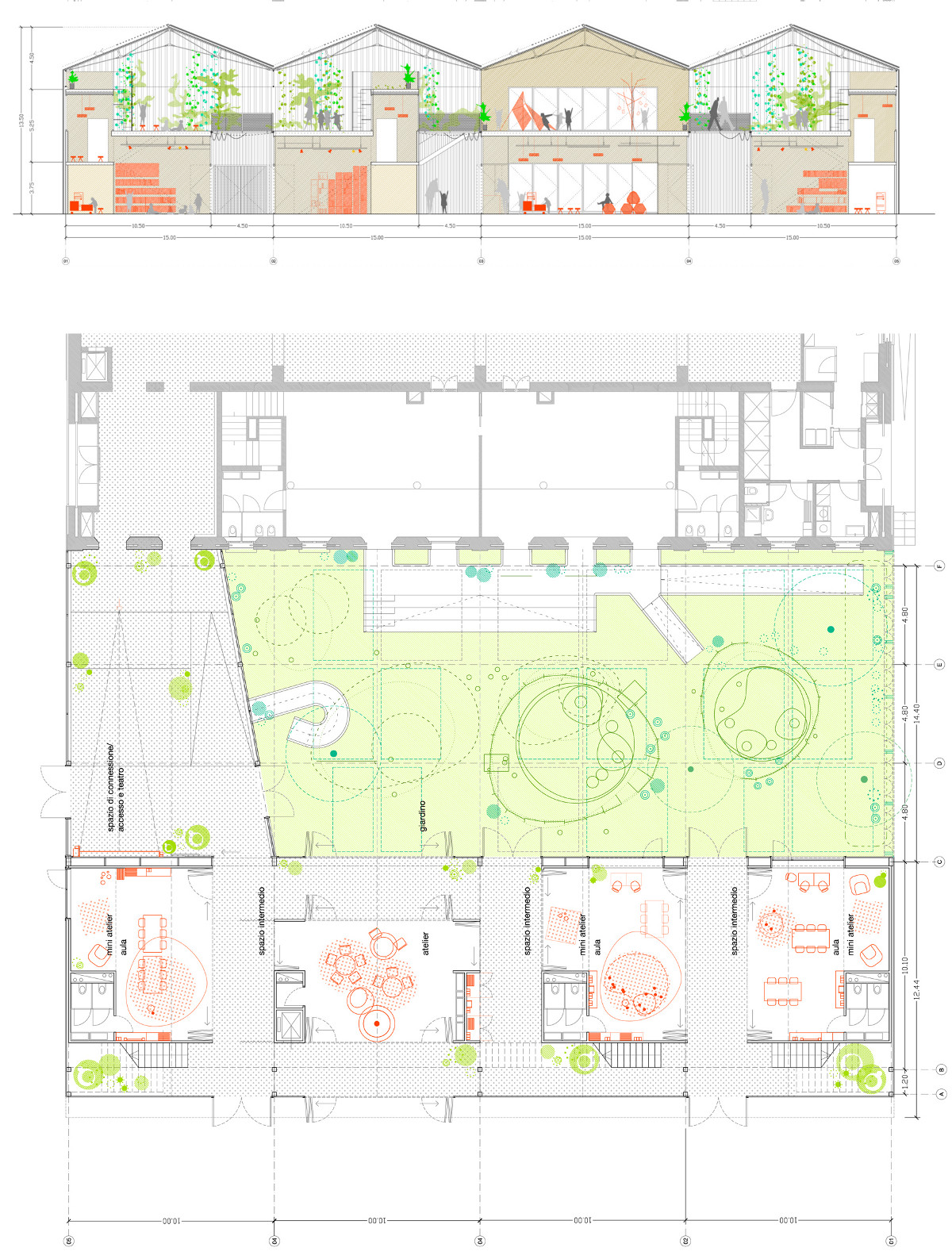
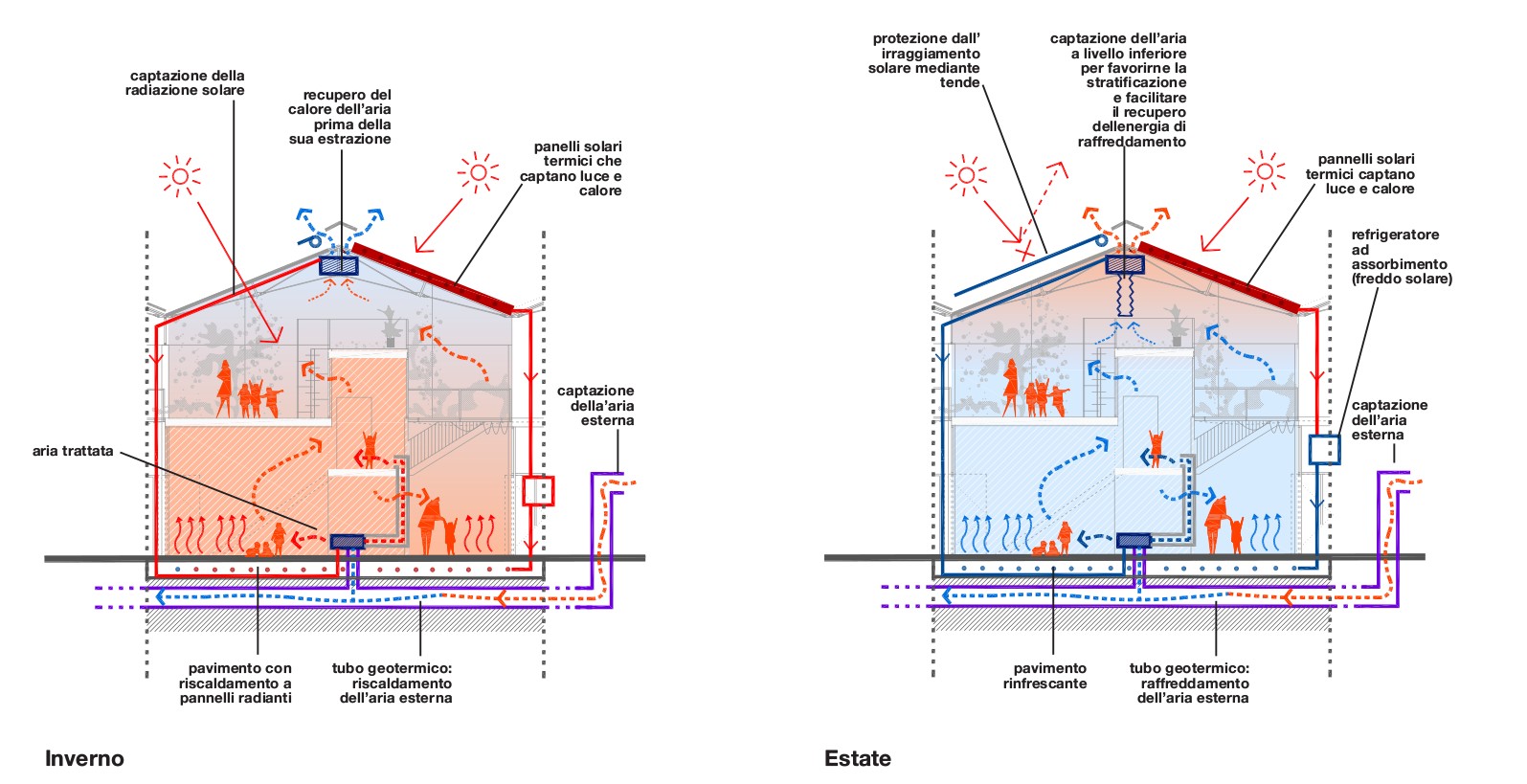
A lo largo de estos meses hemos trabajado desarrollando la propuesta, una escuela-laboratorio donde experimentar nuevas aproximaciones a la educación infantil, intentando ofrecer una respuesta que potenciara el espíritu de la Fundación Reggio Children, su método de trabajo y su filosofía, abordando a su vez temas de eficiencia energética, sostenibilidad, participación, etc. Ha sido apasionante profundizar en el “Reggio approach” y su método de aprendizaje, y experimentar con el papel que juega el entorno espacial y urbano en el contexto educativo.
Es un honor para nosotros saber que hemos resultado ganadores del concurso, compitiendo con extraordinarios equipos de toda Europa. El desarrollo de la propuesta y la materialización de las soluciones se plantean como un reto que estamos deseando afrontar.
¡Enhorabuena, Ecosistema!
Os dejamos con un extracto (en inglés) de las consideraciones del jurado del concurso.
“The proposed solution is the best suited to represent the new school concept, making the new building a new collective experiment. The building itself becomes an opportunity for comparison, on issues of sustainability and eco-backwards compatibility, making the children themselves active participants. The construction techniques proposed include a development which can be implemented over time, according to needs for teaching-learning related to the school’s teaching plan, which makes the construction of the building itself a community project, seen as a process rather than a point of arrival”.
El próximo otoño, Jose Luis Vallejo y yo, Belinda Tato, de ecosistema urbano nos unimos una vez más al equipo de GSD Harvard comoVisiting Professors dentro del departamento de Urban Design, que dirige Rahul Mehrotra.
El título del option studio es Urban Social Design II, una continuación del taller que realizamos en 2010, donde exploramos la construcción de un nuevo espacio público aumentado fruto de una nueva relación entre lo físico, el espacio digital y el ámbito social. Los estudiantes trabajarán en el desarrollo de nuevas herramientas que posibiliten una mayor y mejor participación democrática en la vida urbana como una respuesta más eficiente a los nuevos problemas urbanos contemporáneos. Y como caso de estudio… la ciudad de Boston.
A continuación os mostramos uno de los proyectos más interesantes realizados en el Taller que allí realizamos en 2010.
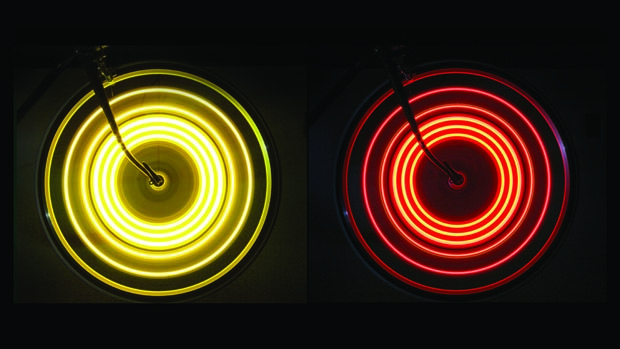
Mike Styczynski -estudiante del GSD Harvard- crea con Actual Air un proyecto híbrido entre instrumento de medición, base de datos y red social. Detectando altos niveles de asma en un barrio de Boston, se plantea profundizar en este fenómeno, sus causas y consecuencias. Para visualizar, registrar y denunciar los alarmantes niveles de contaminación, elige un elemento de uso cotidiano en la ciudad, la bicicleta. Actual Air es un dispositivo plug in que se acopla fácilmente a cualquier rueda de bicicleta, monitorizando la calidad del aire a través de distintos sensores. Un piloto de iluminación LED varía de color en función del grado de contaminación y dicha información recogida en tiempo real, es volcada a una base de datos en la web, mapeando los niveles de contaminación urbana, y visibilizando un problema hasta entonces ignorado. La información, así accesible, es un instrumento al servicio de la comunidad para potenciar la controversia.
Por acción o por omisión, cualquier iniciativa ciudadana tiene significado político. El geógrafo y teórico social David Harvey habla de la necesidad de acostumbrarnos al conflicto continuo que promueva el consenso para generar entornos urbanos saludables. Por ello, debemos percibir como positivas las iniciativas de carácter reivindicativo que activando a los ciudadanos generan ese clima de debate.
Mike ha continuado con el desarrollo de su proyecto más allá de GSD, lo cual responde a la actitud proactiva que intentamos potenciar en los estudiantes, con el desarrollo de nuevas herramientas que les capaciten y conecten con nuevas posibilidades de desarrollo profesional.
Estamos entusiasmados con esta nueva etapa en Harvard. Y si estás por Boston el próximo otoño, ¡te esperamos en el GSD!
Página oficial de Harvard GSD
Si quieres saber más sobre el proyecto: ActualAir.org o en Facebook
Fotos cortesía de Mike Styczynski
Ecosistema Urbano has, together with the Norwegian architecture office 70°N arkitektur, the Danish landscape studio Kristine Jensen, the Swedish lighting firm Ljusarkitektur and Atkins engineers, been prequalified for the planning competition in Kiruna, Sweden.
Kiruna kommune has shortlisted 10 international teams —out of 56 that were applying— for the next phase of the competition.
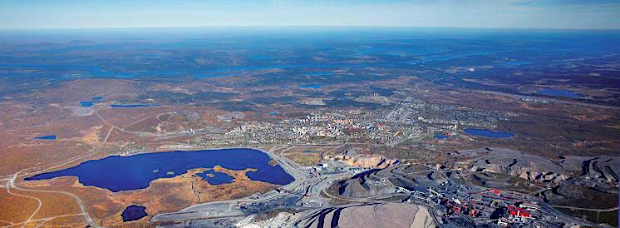
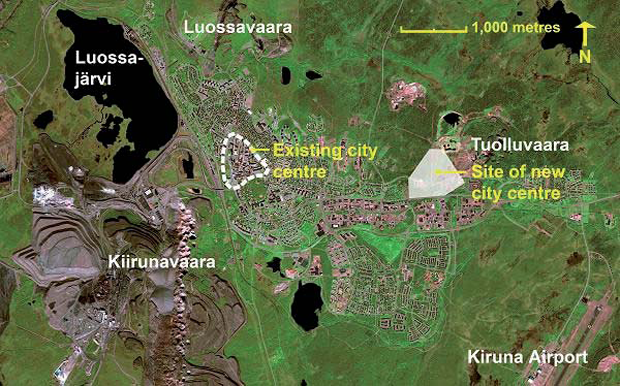
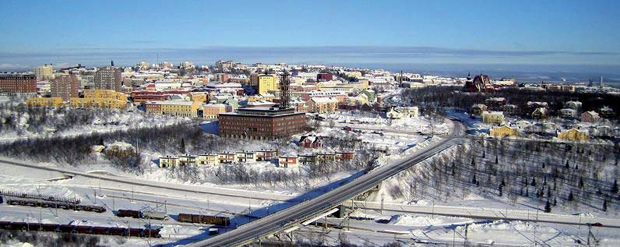
It’s an unusual, but very interesting challenge the Municipality of Kiruna is facing after more than a century of mining by the LKAB company. The ground is becoming unstable as some of the main tunnels are localised right underneath the city, so the city centre and all other areas affected will have to be relocated. In a time frame of approximately 20 to 25 years, some 400,000 sq. m. of housing and non-housing development will need to be replaced within the forecasting line of LKAB’s next main level, 1,365 metres below ground.
The aim for the competition is to create a sustainable, distinctive and pleasant urban environment, a city centre linking together surrounding housing and industrial areas with the whole city and constituting the natural hub of the new Kiruna. This is an opportunity for creating something completely new, emanating from Kiruna’s unique history, to accommodate future needs and the desire for good living in an Arctic climate.
We are very excited to start working with the other firms in our team in this competition, and we look forward to develop the future Kiruna during autumn 2012.