Comments: (0)

Lecture by Jose Luis Vallejo | KSU Study in Florence

Category: ⚐ EN+arquitectura+ecosistema urbano+eventos

KSU-Florence - Lecture by José Luis Vallejo - Ecosistema Urbano

Speaker: Jose Luis Vallejo, Ecosistema Urbano | Introduction by Eugenio Pandolfini
Date/time: Tuesday April 9, 2013 at 7:00pm
Place: Palazzo dei Cerchi | Lecture Hall | Vicolo dei Cerchi 1 | Florence | Italy
Organizer: Kent State University | Florence Program College of Architecture and Environmental Design
Lectures are free and open to the public (seats are limited)

Comments: (2)

International summer course (by the sea) | Urban design and sustainable architecture

Category: ⚐ EN+architecture+sustainability+urbanism

More Than Green international summer course

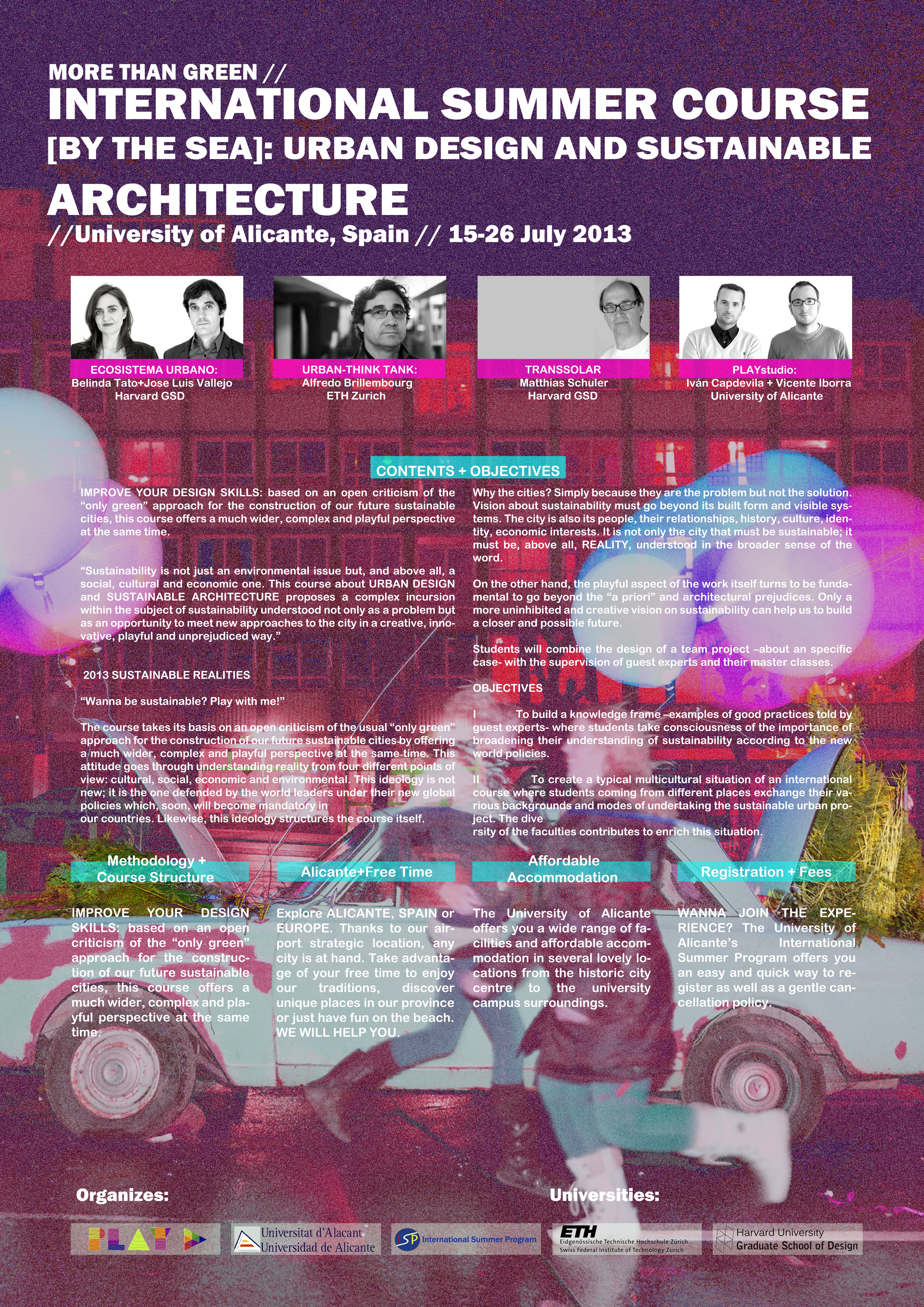
The people behind More Than Green have organized a great summer course on July 15-26, 2013 in the mediterranean city of Alicante (Spain), where we will also be taking part together with PLAYstudio, Transsolar and Urban Think Tank.

Sustainability is not just an environmental issue but, and above all, a social, cultural and economic one. This course about URBAN DESIGN and SUSTAINABLE ARCHITECTURE proposes a complex incursion within the subject of sustainability understood not only as a problem but as an opportunity to meet new approaches to the city in a creative, innovative, playful and unprejudiced way.

More Than Green

Contents + Objectives

Architecture in Alicante

Improve your design skills: based on an open criticism of the “only green” approach for the construction of our future sustainable cities, this course offers a much wider, complex and playful perspective at the same time. Students will combine the design of a team project –about an specific case‐ with the supervision of guest experts and their master classes.

Build a knowledge frame –examples of good practices told by guest experts‐ where students take consciousness of the importance of broadening their understanding of sustainability according to the new world policies.

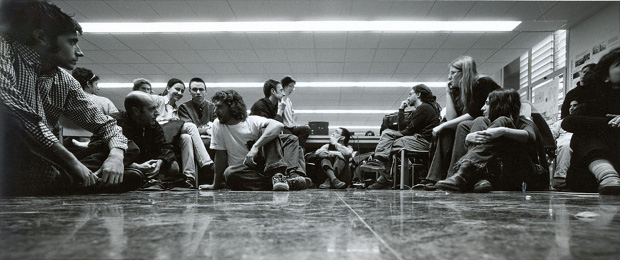
Create a typical multicultural situation of an international course where students coming from different places exchange their various backgrounds and modes of undertaking the sustainable urban project. The diversity of the faculties contributes to enrich this situation.

Methodology + Course Structure

Architecture in Alicante

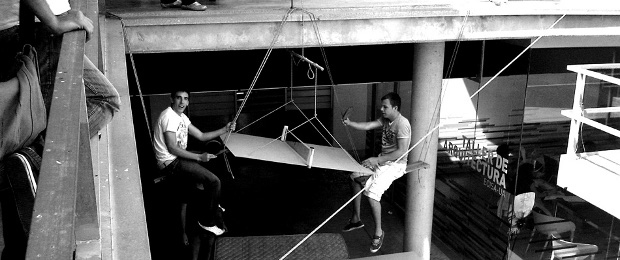
Master classes, teamwork and project reviews within the context of four different ways of understanding sustainability: ENVIRONMENTALLY, SOCIALLY, ECONOMICALLY and CULTURALLY.

Faculty

Faculty

DIRECTOR: José Luis Oliver Ramírez  (University of Alicante) + TRANSSOLAR: Matthias Schuler (Harvard GSD) + URBAN-THINK TANK: Alfredo Brillembourg (ETH Zurich) + ECOSISTEMA URBANO: Belinda Tato y Jose Luis Vallejo (Harvard GSD) + PLAYstudio: Iván Capdevila y Vicente Iborra (University of Alicante)

Alicante + Free time

Lively Alicante at dusk

It’s summer, you’re by the coast… who would dare to keep you away from having fun?  Within the course structure, it is programmed a considerable amount of free time so the students can visit other cities or some interesting spots on the surroundings, enjoy the sun and the beach, or take part in different summer activities organized by the University of Alicante.

Acommodation

University of Alicante

The University of Alicante offers you a wide range of facilities and affordable accommodation in several lovely locations from the historic city centre to the university campus surroundings.

You can download the brochure here: MTG International Summer Course  – PDF
For a more information on fees, acommodation, organization, etc. check the official website: summercourse.morethangreen.es

Comments: (0)

Christian Jøhnk Hess | eu collaborators

Category: ⚐ EN+colaboradores

Today we introduce Christian, an architecture student who recently did an internship with us, getting involved in our latest projects… and giving us some more hints on Scandinavian culture! Here are his kind words about his stay with us:

Christian

Shortly about myself, I’m from Denmark. I have just started on my last year of my master at the architecture in Copenhagen, after having spent five months with Ecosistema.

Before going into the final stages of my education, I decided to take advantage of the opportunity of making an internship, being introduced to different ideas and ways of working and at the same to a different culture by moving to Spain for five months.

Christian

Ecosistema is very good at working in a socially responsible way and with those layers of architecture that are related to the process and networks. They take into account the humans involved, and at the same time make their dreams and ideas turn into very nice buildings. They master all the layers of architecture today and they have fun at the same time. Their way of thinking supplements my knowledge from the school in Copenhagen very well.

During my stay I was working with ecosistema on the competition about the new city centre of Kiruna. It was a very complicated issue which combined with the other things we have been working on have given me a lot to take with me back to my school and think about.

To me architecture is an opportunity to get into a wide range of knowledge and putting it to use. Hopefully giving something back, which will be helpful, inspiring and relevant.

Before coming I had only heard good things about Ecosistema. It’s all true and I feel privileged to have been able to make my Internship here. So thank you for this time, I wish you the best for the future.

Short profile:

Occupation: Student at The Royal Danish Acadamy of Fine Arts. School of Architecture.
Interests: Architecture and lots of other stuff
City/country: Copenhagen, Denmark
Online profiles: facebook.com/christianjhess

Comments: (0)

Ecosistema Urbano en el Master del Paisaje Juana de Vega

Category: ⚐ ES+eventos+noticias

Ciclo de Conferencias de Paisaje

Este Jueves 14 de Marzo, Belinda Tato participará en el Máster en Arquitectura del Paisaje Juana de Vega, presentando el trabajo de Ecosistema Urbano dentro del módulo Diseño del Paisaje II.

La conferencia es abierta al público y tendrá lugar en la Fundación Juana de Vega, Rúa Salvador Allende nº 92  – San Pedro de Nos, Oleiros, A Coruña – España

Más información: Posts en escolagalegadapaisaxe.org + etsa.udc.es

Comments: (5)

EU ABOUT… ¡por fin!

Category: ⚐ ES+ecosistema urbano+internet+noticias

ecosistema urbano . agency homepage

Uno de los retos más importantes a lo largo de los 13 años que llevamos trabajando como Ecosistema Urbano es comunicar lo que hacemos de una manera legible y atractiva. Sin embargo, en el trabajo del día a día lo prioritario ha sido siempre lo urgente, lo inmediato, quedando siempre pospuesto el momento de hacer una presentación estructurada de nuestra actividad profesional.

Este “EU about”, como venimos llamándolo desde hace mucho, se había convertido en una tarea presente en todas las reuniones internas de trabajo, que finalmente quedaba siempre al final de la lista. Pero eso se acabó.

El “EU ABOUT”

Esta vez –por fin– nos hemos puesto a la tarea con intensidad y tenemos el placer de presentaros nuestro porfolio, una agrupación de nuestros proyectos e iniciativas con documentos gráficos y enlaces a publicaciones, etc… Una selección que, aunque aún no está completa, ordena el trabajo por categorías, etiquetas y años, permitiendo una navegación más eficaz.

A partir de ahora, desde nuestra página de inicio www.ecosistemaurbano.com o desde el encabezado de este blog, podréis acceder a www.ecosistemaurbano.com/portfolio, y esto es más o menos lo que os encontraréis:

ecosistema urbano . portfolio

Diseño y estructura

La página está compuesta por una retícula de proyectos que se adapta al ancho de cada pantalla, y una barra lateral fija que contiene los elementos de navegación. En esta barra lateral, debajo del logo y del buscador –que funciona bastante bien y es la mejor manera de encontrar rápidamente cualquier proyecto–, encontramos de arriba a abajo:

– Una serie de enlaces a páginas con diferentes contenidos de presentación y CV de Ecosistema Urbano.
– Una clasificación básica según el tipo de proyecto, usando categorías bastante generalizadas en nuestro entorno profesional y por tanto fácilmente reconocibles.
– Una clasificación más particularizada, usando etiquetas que resumen los temas que más nos interesan o los distintos enfoques desde los que abordamos los proyectos.
– Una sencilla clasificación temporal, por años.

En “beta”

La estructura de la página es muy sencilla, lo que nos permitirá actualizar nuestro “escaparate” fácilmente. Como presentar una página perfectamente pulida con todos los proyectos adecuadamente revisados corría peligro de seguir siendo algo “siempre en proyecto”, hemos decidido asumir completamente esta característica y publicarlo en beta, por lo que es posible que encontréis pequeños errores o cosas a medio desarrollar. Está bien. Sabemos que, ignorando al perfeccionista que algunos llevamos dentro, podremos vivir con ello.

Además de presentar hoy una primera versión del diseño y la estructura de la página, que iremos mejorando, hemos comenzado con una selección básica de doce proyectos, que iremos actualizando y completando a lo largo de las próximas semanas.

Concursos, ganados y no ganados, proyectos que se materializan y aquellos que nunca serán realizados… es interesante lo que se encuentra y lo que se piensa en el proceso de desenterrar ese trabajo y compartirlo.

De ahora en adelante…

… os iremos comentando por aquí las mejoras que vayamos haciendo o los proyectos que vayamos incorporando, prevemos que a bastante buen ritmo ahora que tenemos la base montada y en marcha.

Esperamos que os resulte interesante, estaremos encantados de recibir vuestros comentarios y sugerencias.

EU ABOUT – ecosistema urbano . portfolio

Comment: (1)

Plaza Ecópolis and Ecobulevar | Dubai International Award for Best Practices

Category: ⚐ EN+architecture

Best Practice Database - click to visit site

Best Practice Database

Today we are glad to announce that our project Plaza Ecópolis has been selected by UN-HABITAT for the Dubai International Award for Best Practices to Improve the Living Environment.

The project, together with the Ecobulevar de Vallecas (which was awarded back in 2008) is now part of the Best Practices Database “as a way of promoting global exchange, learning and replication”. Here are the links:

Plaza EcópolisBest practice 2012

Plaza Ecópolis - click to view large

Plaza Ecópolis

Ecobulevar de VallecasGood Practice 2008

Eco Boulevard - Vallecas - click to view large

Eco Boulevard – Vallecas

The United Nations Human Settlements Programme, UN-HABITAT, is the United Nations agency for human settlements. It is mandated by the UN General Assembly to promote socially and environmentally sustainable towns and cities with the goal of providing adequate shelter for all.

Related links:

UN-HABITAT web page
The Best Practices and Local Leadership Programme
Related posts about Plaza Ecópolis
Related posts about Ecobulevar de Vallecas

Comments: (0)

Designing learning spaces | Lectures and exhibition in Reggio Emilia

Category: ⚐ EN+⚐ IT+architecture+architettura+events

Next Friday we will be in Reggio Emilia at the presentation of the Reggio Children educational project “A school as a learning community”, together with Graziano Delrio, Luca Molinari, Carla Rinaldi and Maddalena Tedeschi. We will talk about our proposal for the Reggio Children experimental learning centre, and after that an exhibition will be opened, showing the projects submitted to the competition.

Progettare Spazi per l’Apprendimento

Progettare Spazi per l’Apprendimento

Summary:

Progettare Spazi per l’Apprendimento
Friday, February 15 2013 at 16.30
Centro Internazionale Loris Malaguzzi – Sala Kuwait

Comments: (3)

Hybrid Cities and Networked Participatory Design Systems | Hybrid Space Lab

Category: ⚐ EN+architecture+open culture+urban social design+urbanism

Coinciding with the rise of digital tools that foster participatory systems, Hybrid Space Lab is an entity that exists in the realm between architect and client, the traditional shapers of space. In this article, originally published here, Elizabeth Sikiaridi and Frans Vogelaar of Hybrid Space Lab share three of their projects and their thoughts on networked participatory design systems today.
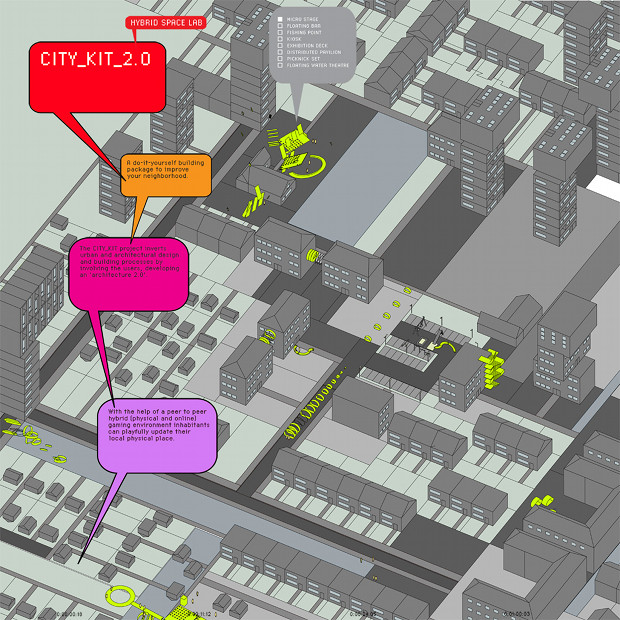
The CITY KIT hybrid game by Hybrid Space Lab

The CITY KIT hybrid game by Hybrid Space Lab

CITY KIT

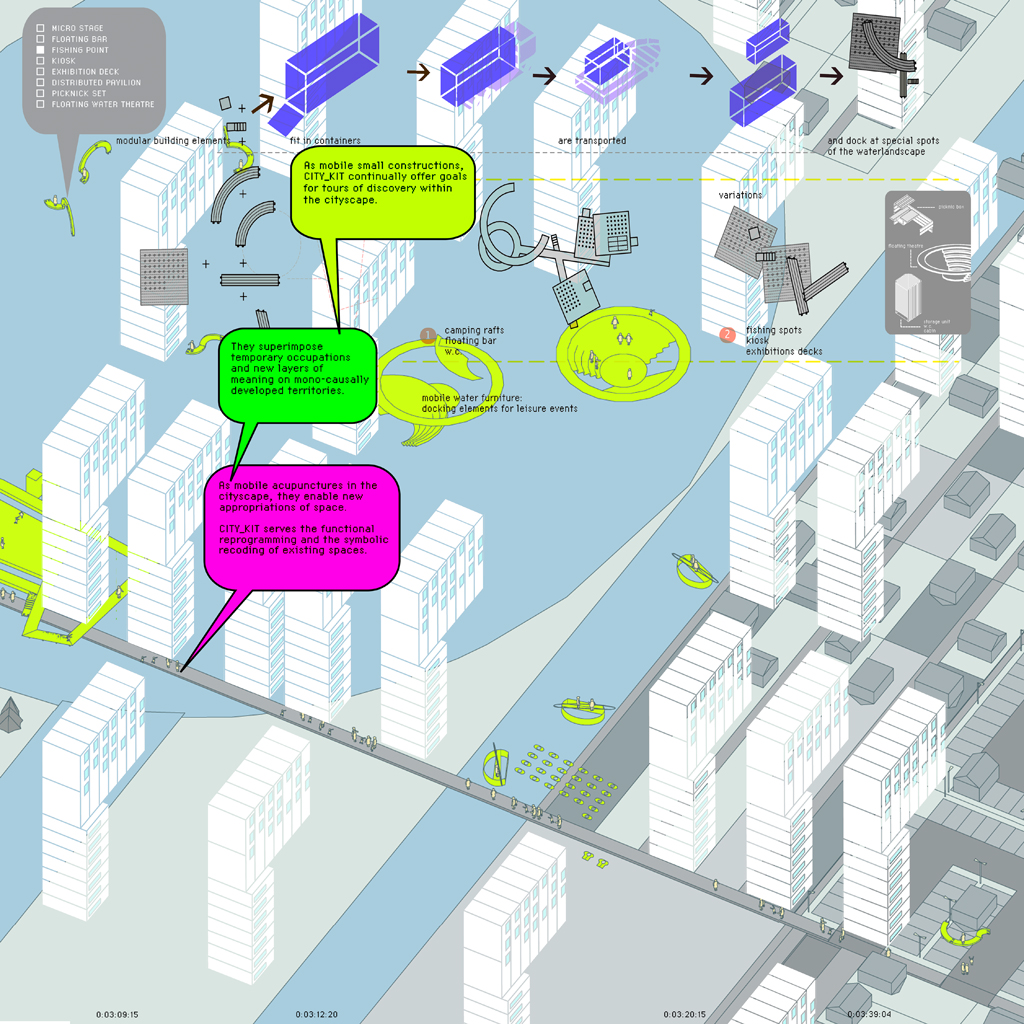
CITY KIT is a combined urban-computer game to upgrade your neighborhood. The CITY KIT project was developed for the Hong Kong Social Housing Authority with as a target group young people that are familiar with computer games but hardly play outside.

This hybrid game revolves around city planning and urban redevelopment. CITY KIT turns the residents into the “makers” of the city, providing thus a bridge between the users of the urban environment and the experts – the architects and the urban planners.
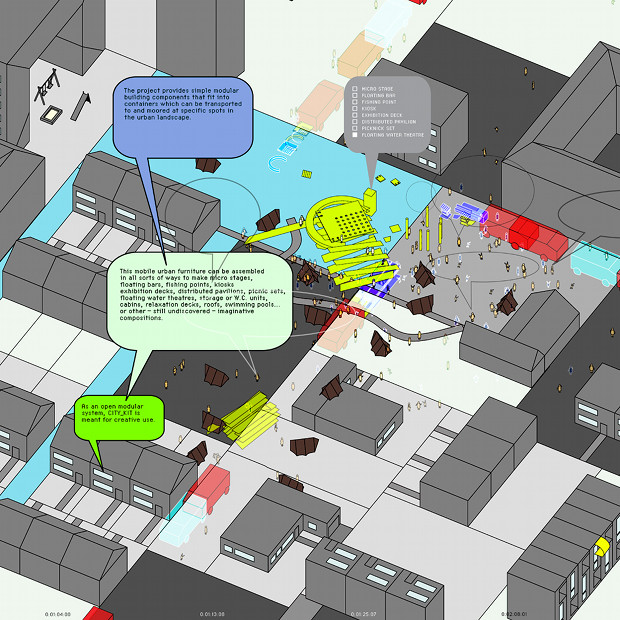
The CITY KIT hybrid game by Hybrid Space Lab

The CITY KIT hybrid game by Hybrid Space Lab

Playing the CITY KIT game, the residents can adapt and improve their local physical environment by building a digital version of their neighborhood. Using modular building components that can be moved around and fixed in certain places in the environment, users can build micro-stages, exhibition decks, floating bars and theatres, swimming pools and other recreational facilities that make living in the neighborhood more fun.

The CITY KIT hybrid game by Hybrid Space Lab

The CITY KIT hybrid game by Hybrid Space Lab

CITY_KIT is an open-source medium in which participants can add elements and share their designs. An online platform in the form of a website allows residents to actively take part in the game. All it takes is a simple click of the mouse to interactively test your own virtual version of CITY KIT.

Residents and game users can design their own objects and facilities and can realize their ideas: A ‘real’ object, an analog version of the proposed CITY KIT element, can be built at the chosen location.

On the website, the user can also pinpoint exactly where a digital object should be located in the analogue world. This can be done using a mobile phone.

The CITY KIT hybrid game by Hybrid Space Lab

The CITY KIT hybrid game by Hybrid Space Lab

The goal of CITY KIT is to help you revalue your local surroundings and incorporate the new, imaginative layers created in CITY KIT’s virtual world. Making small modifications to the personal, physical environment in digital space changes the experience of living in the real world.

DIY Pavilion by Hybrid Space Lab at the Hong Kong & Shenzhen Bi-city Biennial of Urbanism and Architecture 2009-2010 Photo by Andy Tam

DIY Pavilion at the Hong Kong & Shenzhen Bi-city Biennial of Urbanism and Architecture 2009-2010. Photo by Andy Tam

DIY Pavilion

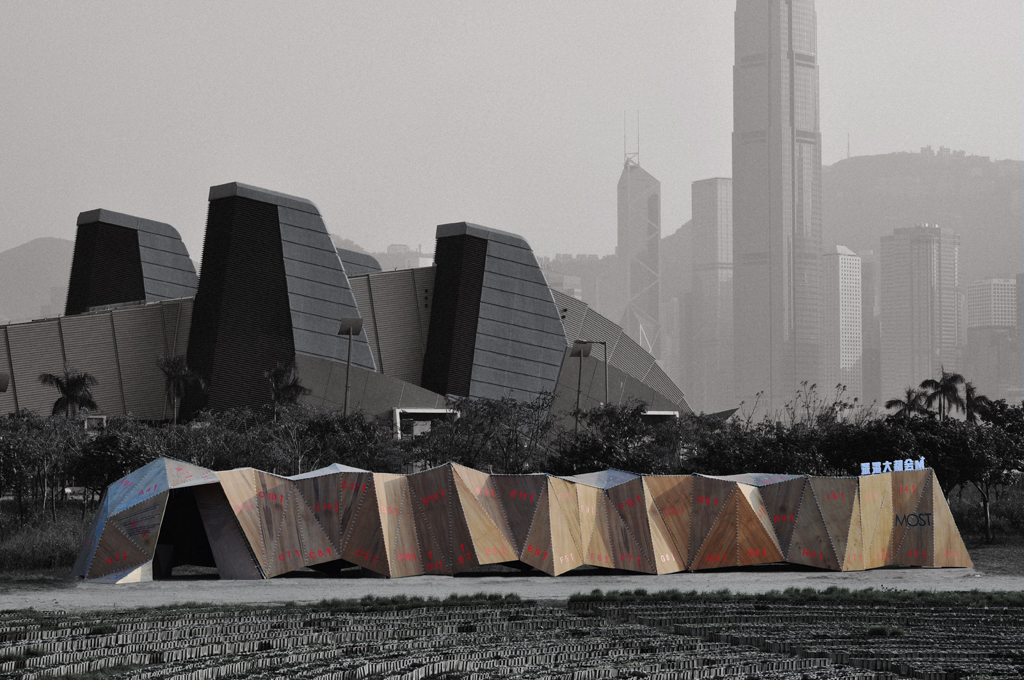
Outcome of the CITY KIT project was the DIY Pavilion, first presented at the waterfront promenade of Hong Kong within the framework of the Hong Kong & Shenzhen Bi-city Biennial of Urbanism and Architecture 2009-2010 and later set up at the Hong Kong Jockey Club Creative Arts Centre and at the Kwai Tsing Theatre in Hong Kong.
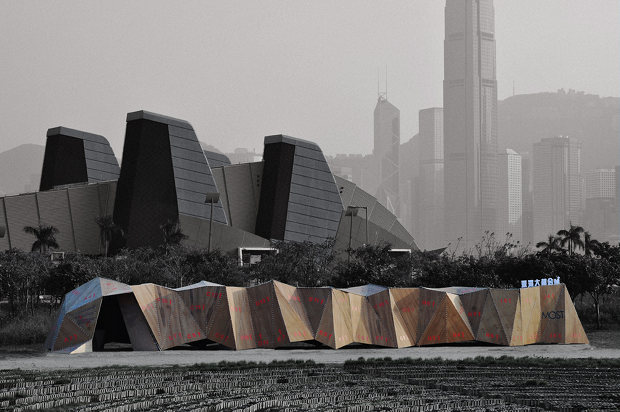
DIY Pavilion by Hybrid Space Lab at the Hong Kong & Shenzhen Bi-city Biennial of Urbanism and Architecture 2009-2010; photo by Andy Tam

DIY Pavilion at the Hong Kong & Shenzhen Bi-city Biennial of Urbanism and Architecture 2009-2010. Photo by Andy Tam

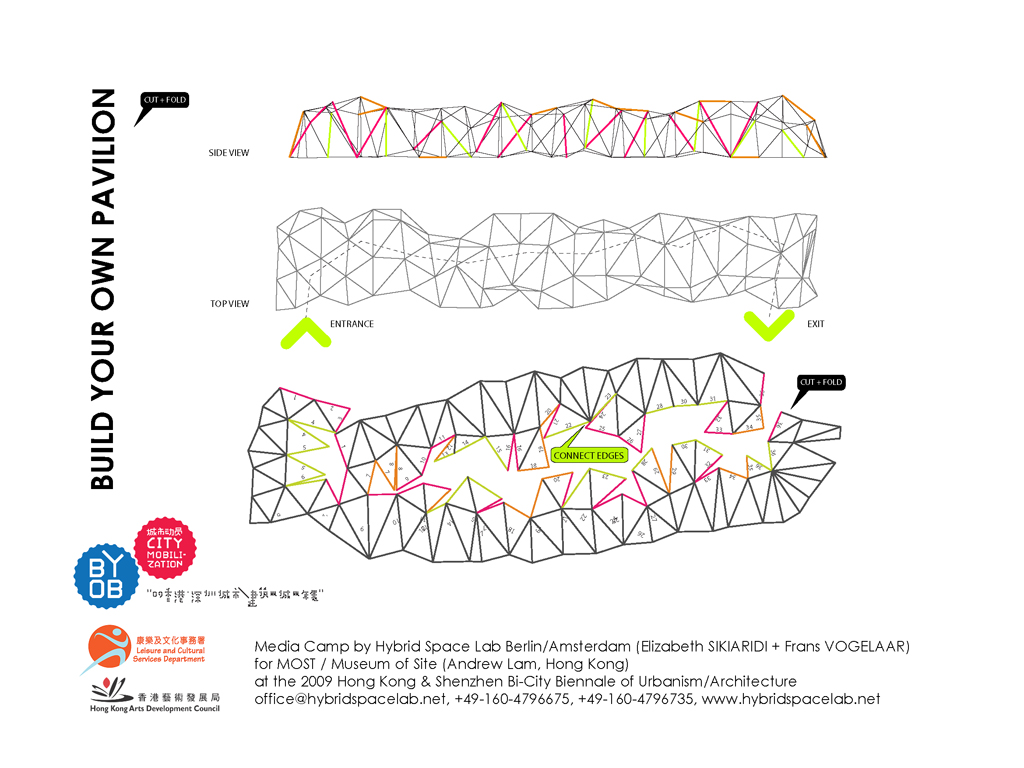
Following the CITY KIT concept, users can co-create their design of the pavilion. The pavilion’s architecture is based on an architectural design principle with a flexible structure that can adapt to site and program requirements, to different content, context and spatial situations. The structure of the pavilion architectural design principle makes it possible to involve the users in the design, building and transformation of the pavilion.
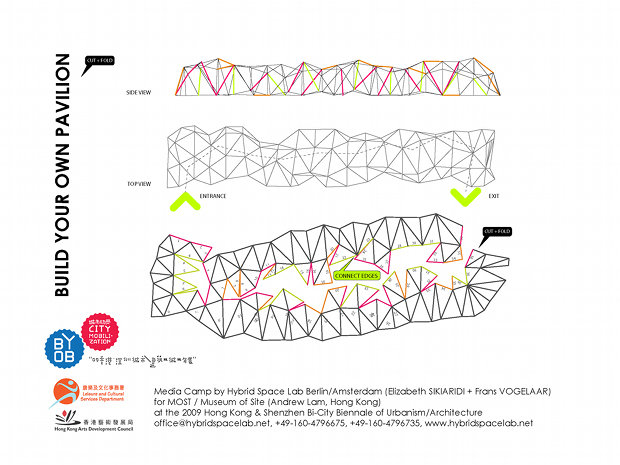
‘Build Your Own Pavilion’ at the Hong Kong & Shenzhen Bi-city Biennial of Urbanism and Architecture 2009-2010

‘Build Your Own Pavilion’ at the Hong Kong & Shenzhen Bi-city Biennial of Urbanism and Architecture 2009-2010

The pavilion consists of triangular plywood plates sown together with the help of cable binders. It is a flexible mobile structure to be easily disassembled, transported, reassembled and sown together again, adjusting to the size of the site and the local requirements.

Detail of the DIY Pavilion by Hybrid Space Lab; photo by Andy Tam

Detail of the DIY Pavilion by Hybrid Space Lab; photo by Andy Tam

Videos on urban issues were projected on the triangular crystalline structure of the pavilion’s interior as the pavilion travelled to the different locations for community education.

Model of the DIY Pavilion by Hybrid Space Lab. Photo by Julian Roeder

Model of the DIY Pavilion by Hybrid Space Lab. Photo by Julian Roeder

Model of the DIY Pavilion by Hybrid Space Lab. Photo by Julian Roeder

SIMPLE CITY

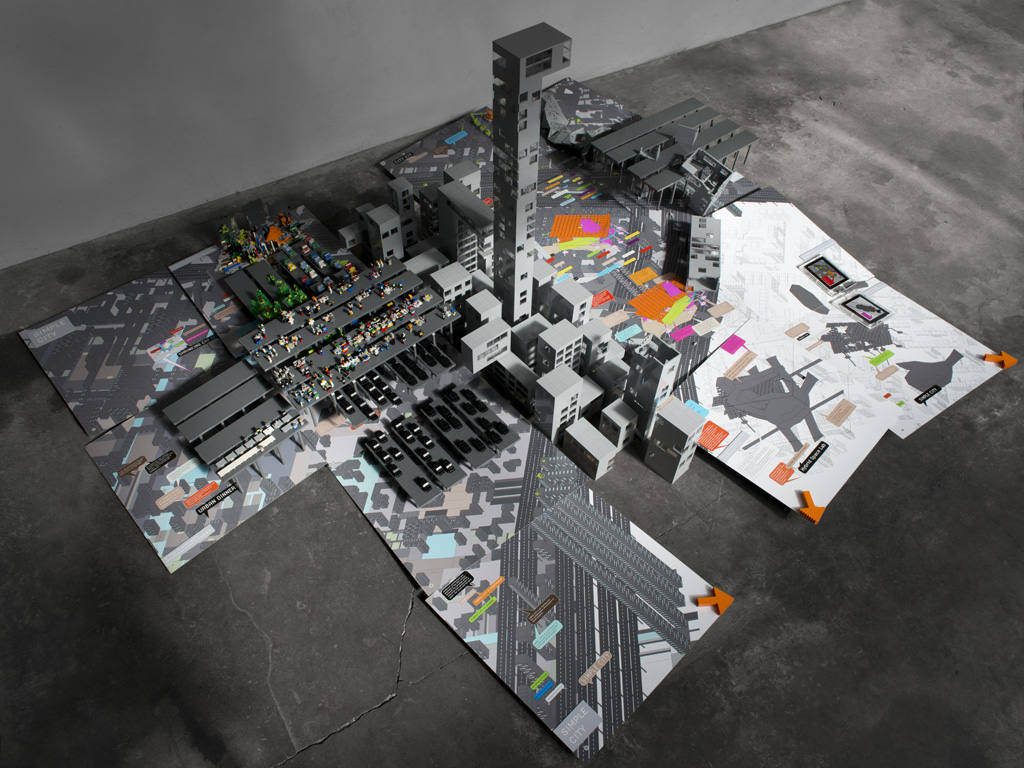
Both projects, CITY KIT as well as the DIY Pavilion, were recently presented within the framework of the SIMPLE CITY installation by Hybrid Space Lab at the MAKK Museum of Applied Arts Cologne from May to August 2012 and at the first issue of plan – Architecture Biennial Cologne (plan – Architektur Biennale Köln in German) in September 2012.

The SIMPLE CITY is an interface for the participative development of urban projects by professionals and laymen. The design of this simulated urban environment can be broken down to simple elements that can be copied and modified by the users of the city.

SIMPLE CITY installation by Hybrid Space Lab at the MAKK Museum of Applied Arts Cologne from May to August 2012. Photo by Hybrid Space Lab

SIMPLE CITY installation by Hybrid Space Lab at the MAKK Museum of Applied Arts Cologne from May to August 2012. Photo by Hybrid Space Lab

Laymen and city-users by copying, pasting and modifying the basic elements can easily adapt the urban design in order to develop new urban settings.

With its modular setting SIMPLE CITY corresponds to the serially produced, global, generic city (with all the instabilities and breaks). SIMPLE CITY therefore refers to the city of the industrial age that was intrinsically related with the system of serial industrial mass production. The city of the industrial age was serially produced as the addition of generic urban elements. Therefore the model elements of the SIMPLE CITY installation were built with the help of modular building bricks that were sponsored by the Danish company Lego.
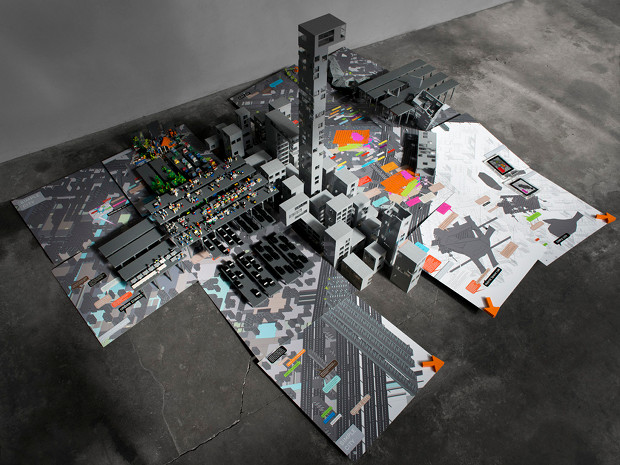
SIMPLE CITY installation by Hybrid Space Lab at the plan - Architecture Biennial Cologne, September 2012. Photo by Hybrid Space Lab

SIMPLE CITY installation by Hybrid Space Lab at the plan. Architecture Biennial Cologne, Sept. 2012. Photo by Hybrid Space Lab

SIMPLE CITY is an interface that enables the communication of dynamic and networked information on urban projects. It forms an environment for interactive collaboration and for communication of process-oriented urban and architectural projects. This includes projects on the energy and material cycles of the city, on urban conversion and on networked participatory urban and architectural design, such as the CITY KIT and the DIY Pavilion projects.

Networked Participatory Design Systems Today

The projects described above stand in the long tradition of participatory urban design, in the long tradition of the efforts of inserting the voice of the public into the process of shaping cities. Today these networked participatory design projects, such as CITY KIT, DIY Pavilion and SIMPLE CITY, are part of a general trend and of a paradigm shift.

Networked organizations and systems are today transforming our society in general. With new technologies and digital media currently transforming production and social communication, urban and architectural design is being redefined in a new context.

Participatory urban and architectural design systems are gaining –in the context of a networked society– in relevance. This is a general phenomenon as networked co-operation and open-source are to be found in many contemporary social and cultural expressions.

Current social-political are using social media tools and mobile media networks. Fluctuating networked political forces distrust established political parties and contest the concept of the ‘political expert’, creating independent self-publication channels and demanding ‘direct democracy’.

Networked systems are also transforming knowledge production; think of the Wikipedia, ‘the free encyclopedia that anyone can edit’. Co-operation, co-authorship and open-source are to be found in many contemporary cultural expressions and phenomena, such as, for example, Wikimedia Commons, the free media file repository making available public domain and freely licensed educational media content (images, sound and video clips) to everyone.

Users, aided by improvements in information-communication technology are increasingly developing their own new products and services, ‘democratising’ innovation. These innovating users often freely share their innovations with others, creating user-innovation communities and a rich intellectual commons.

The word “prosumer” is used in this context to describe the type of consumer who becomes involved in the design and manufacturing of products, so they can be made to his individual specification. The word “prosumer” blends the roles of producer and consumer and was first coined in 1980 by the futurist Alvin Toffler in his book “The Third Wave”.

Today the “prosumer” can be engaged in innovation and design as well as in the manufacturing of products that fit his individual specifications and needs. In the last years 3D printing has developed to a low cost technology that everyone can use to produce objects. 3D printing allows industrial production on a desktop scale enabling autonomous production for individuals and designers. This development of object production is enabled by the Internet and by the acceleration of technological developments and open source communities. The digital blue prints of objects are designed in 3D software and can be shared via digital networks. On special Internet platforms people share these open source 3D designs that can be produced via rapid prototyping with 3D printers.

Networked participatory design systems are replacing the logics of the industrial age, where the creative one designed for the non-creative masses. The architects and urban designers focus is shifting from designing objects and spaces to programming processes in interaction with users. The task of ‘designing’ processes for networks of people involved on the development of the urban environment is gaining in relevance. This means a shift from centralized to (distributed) participatory systems with ‘enabling solutions’ that involve users. This includes solutions and platforms that ‘enable’ users to interact, integrating users as participants into development processes of the urban environment – such as the CITY KIT, SIMPLE CITY and the DIY Pavilion.

Originally published at world-architects.com

Elizabeth Sikiaridi and Frans Vogelaar founded Hybrid Space Lab, a R&D and design practice focusing on the hybrid fields that are emerging through the combination and fusion of environments, objects and services in the information-communication age. The scope of our development and design projects ranges from those on urban games and planning to buildings, architectural interiors and industrial design applications and wearables.

Hybrid Space Lab is an interdisciplinary environment with an innovative and integrated approach to spatial issues. The focus of our work lies in fusing digital and analog environments, in embedding media networks in urban/architectural, social and cultural spaces. Hybrid Space Lab is a lab and a network in which architects, urbanists, landscape architects and environmental planners, designers, soft- and hardware engineers collaborate in the development of projects for combined analog and digital, urban, architectural, design and media spaces.

Hybrid Space Lab recently developed visions for the program of the new institute that will be formed by the merger of the Netherlands Architecture Institute (Nederlands Architectuurinstituut), the Netherlands Institute for Design and Fashion (Premsela) and the institute responsible for digital culture (Virtueel Platform). For an English text see here.

Comments: (0)

Velo-city conference and cycling awards | Vienna, June 2013

Category: ⚐ EN+mobility+sustainability

Vienna Cycling Cultures

Under the motto “The Sound of Cycling – Urban Cycling Cultures”, the Velo-city conference 2013 will take place this year in Vienna, a city that has been recognized for its efforts towards a highly livable and sustainable urban environment.

Velo-city conferences in general serve as a global communication and information platform aiming to address decision makers in order to improve the planning and provision of infrastructure for the everyday use of bicycles in urban environments. They typically bring together more than 1,000 delegates such as engineers, planners, architects, social marketers, academic researchers, environmentalists, businessmen/women, and industry representatives who join forces with government at all levels in order to build effective transnational partnerships to deliver benefits to cycling worldwide.

Velo-city Vienna 2013

This year, the conference has been organized in three generic themes: cycling cultures, cycling cities and cycling benefits. It aims to offer a variety of inter- and trans-disciplinary approaches to cycling issues through different dialogue formats such as round tables, speed dating, open spaces and a world café, amongst others. To ensure a relaxed atmosphere and to facilitate networking, there will be also other activities like a Cycling Parade, a Bicycle Fashion Show, a Garden Party and some technical excursions.

cycling visionaries awards 2013

In parallel to the conference, you can take part in the Cycling Visionaries Awards in the categories of Advocacy and Social Projects Science, Research and Development Design, Fashion and Cycling Equipment, Urban Planning and Urban Design Cycling and the Arts. We are curious about the entries, there’s quite a lot of innovation going on in the world of cycling but it’s not always visible to the general public.

On the conference’s website you can also read about some interesting cycling stories.

Date: June 11.14, 2013
Place: Vienna, Austria
Website: velo-city2013.com
Twitter: @VeloCityVienna

Comments: (0)

Francesca Rotundo | eu collaborators

Category: ⚐ EN+colaboradores

Today we introduce Francesca Rotundo, a young architect who is doing an internship with us, being mainly involved in our proposal for the competition in Kiruna and the Reggio Children experimental centre.

Francesca

As she tells us:

I’m a quite curious person, careful observer of what is happening around me. My interests are many, but somehow the architecture field seems to contain or connect to a lot of them, giving me everyday something different to think over.
I’ve studied architecture at the University of Ferrara, graduating at the end of 2012, and, as Erasmus student, at Chalmers University in Göteborg, Sweden, a great experience that made me fall in love with the nordic atmosphere, and made me more passionate about my work, in particular about investigating the relation between citizens and the design of the city.
As I wanted to keep widening my horizons, I was especially excited about gaining a Leonardo-program grant and having the chance to join EU, here in Madrid. Participating with them in a university-workshop about the regeneration of borderline areas, organized by Ri-Generazione Urbana, I had the possibility to know them more and I found their way of working very inspiring. I think it’s awesome to collaborate with such a great studio, matching my interests.
Apart from the complexity of the city, which I enjoy so much, in my quite small home town I take part in a cultural association called Primola together with architects and artists, working to make vital the local territory and preserving its landscape. We organize events and activities related to culture, entertaining, designing and realize sets and installations using lights and “poor” building materials, like straw bales.
Trying to conceive design in a playful way, I always keep in mind the social impact of architecture and, as we never stop learning, I keep looking for answers and new questions as well.

Francesca

Here is a short summary about Francesca:

Occupation: Architect
Interests: Architecture-landscape-city, urban safaris, travelling, Illustration, fashion & industrial design
City/country: Cotignola-Ravenna, Italy
Web: Portfolio
Online profiles: Facebook, LinkedIn