Comments: (0)

ecological design fundamentals: comprehensive resource, waste and space management

Category: ⚐ EN+architecture+design+fundamentals


What is Ecological Design? comprehensive resource, waste and space management

Featuring: Terreform ONE

Beyond “sustaining” the urban landscape to endure the lifestyles of future generations, ecological design envisions long-lasting urban waste-management techniques and, as the world’s population  climbs, long-lasting urban space-management techniques.

An average of 50 million people migrate to cities around the globe each year. As they do, more and more outside (rural) resources are being transported to cities while more and more waste is being transported out of cities to keep their populations comfortable. As global environmental and social pressures build under this unsustainable system (meaning, it won’t last – we’re drawing resources at a faster rate than they grow, and the waste is building up somewhere faster than it’s decomposing), new visions for urban consumption, waste, and space management are needed. To be clear, urbanism is not the problem we’re facing- the current design of urban spaces is. Built to serve the automobile, urban areas, as they exist today, promote the existence of an artificial boundary between the “city” and “nature” that have made it easy for urbanites to ignore their impressive impact on outside communities. continue reading
Comments: (0)

Ecosistema Urbano is a Buckminster Fuller Semifinalist!

Category: ⚐ EN+ecosistema urbano+sustainability

Today Ecosistema Urbano has been announced as one of the Buckminster Fuller Challenge´s 21 semifinalists. Named “Socially-Responsible Design’s Highest Award” by Metropolis Magazine, this prestigious prize will award 100,000 dollars to one project strategy with potential to solve world problems through humanitarian action and environmental responsibility.

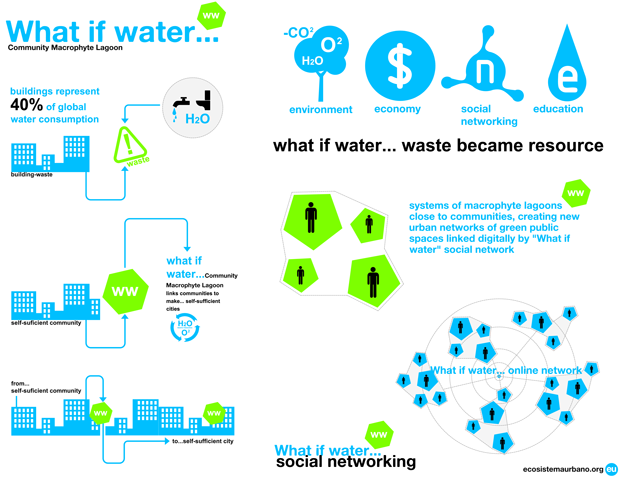
Ecosistema Urbano´s submission is What if Water… Community Macrophyte Lagoons, a water purification initiative that doubles to engage communities in water conservation activities.  The purification system that has been engineered to assist the natural macrophite purifying processes in plants. After purifying the water, the natural system stores water for reuse on the project site or within the surrounding community. To support community macrophyte lagoons, which initiate physical networking at project sites, the creation of an online social network will allow community members to share their What if Water, Community Macrophyte Lagoons experiences with each other locally and globally. continue reading

Comments: (0)

2012Architecten and a little more about their ¨superuse¨

Category: ⚐ EN+architecture+creativity

2012Architecten were recently featured in my ecological design fundamentals post for their ¨superuse¨ of building materials. Rather than an afterthought,  material usage plays a central role in the design processes of these dutch architects. Approaching each project with the unique mindset that local discarded materials will shape their final design, the creations of 2012Architecten are not only examples of sustainable architecture practice, they are also fun, exciting examples of  urban creativity at it´s best. 2012Architechiten are ahead of thier time and, fittingly, thier projects tend to have a futuristic feel.  The three projects featured  below utilize, for example,  rotor blades, cable reels, sinks and steel beams that once held a textile factory together.

Wikado: continue reading

Comments: (4)

Ecological design fundamentals: responsible materials and construction practices

Category: ⚐ EN+architecture+fundamentals+sustainability

What is Ecological Design? Resposible Materials and Contruction Practices
When constructing, In order to encourage stability of environmental and cultural systems that are already in place,  ecological design should utilize the skills and resources available in the nearby areas. I wrote my last post about the necessity for buildings to be engineered so they may evolve in response to environmental changes. Today I will write about how, even more fundamentally, construction process should evolve in response to local contingencies and opportunities.

We can see examples of this practise in the last two examples of ecological design i´ve featured. The first, The Arup designed Druk white lotus school, used both traditional materials and traditional building methods. This supported the local economy, the local culture and avoided harmful environmental effects by limiting the distanace (and carbon-footprint) of material transport. With another take on responsible material usage,  Morphosis’ FLOAT house design for New Orleans, acknowledged poverty pressures in affected flood zones all over the world, by (using local labor) assembling the house on-site from pre-fabricated components with all required wall anchors, electrical, mechanical and plumbing systems pre-installed. The affordable housing was designed as easy-to-transport, easy-to assemble sections so that the design may be reapplied throughout the 9th ward, as well as be adapted to the needs of flood zones worldwide. continue reading

Comments: (0)

EU collaborators

Category: ⚐ EN+colaboradores+ecosistema urbano


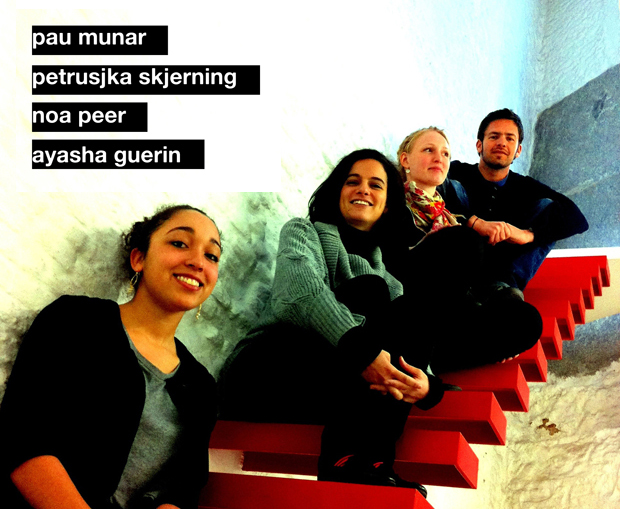
Ecosistema urbano is always searching for talented people, but many times it works the other way around and we feel very lucky to be directly contacted by them. Today I want to introduce you to four different people who have recently joined us at ecosistema urbano. We are very pleased with their contribution and their unique backgrounds, which bring a fresh approach to our work.

continue reading

Comments: (0)

Norden Fund Travel/Study Grants

Category: ⚐ EN+competitions+educación


Norden Fund Travel/Study Grants:  An opportunity for students and recent graduates:

The Norden Fund, offered by the Architectural League of New York, annually awards students and recent graduates up to $5,000  in travel/study grants to pursue projects in the field of architecture, architectural history, or urban studies. continue reading

Comments: (0)

MetaBoulevard: democratizing the Chicago boulevard network

Category: ⚐ EN+competitions+urbanism

Ecosistema Urbano is pleased to present the project of our collaborator Noa Peer, awarded an Honorable Mention in the international competition “NETWORK RESET” an international design competition to rethink the Chicago Boulevard System.

continue reading

Comments: (0)

call for proposals: WATER AS THE SIXTH BOROUGH

Category: ⚐ EN+competitions+design

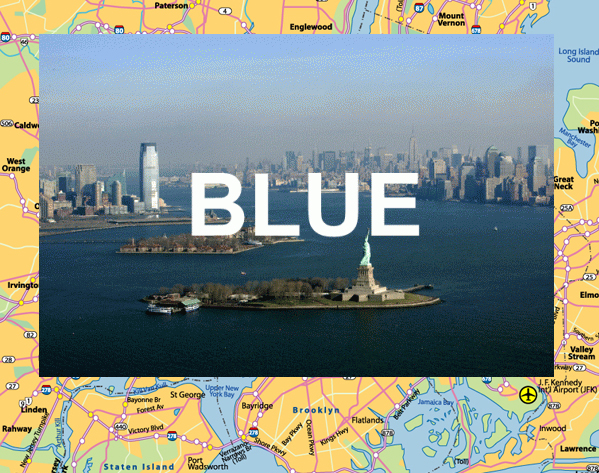
Organized by Planet One and Terreform One, the One Prize: NYC 6th Boro challenge is accepting design proposals that envision New York City´s 6th borough as the water that surrounds it. These propositions should describe a plan for a ¨NYC Blue Network¨ including the expansion of waterborne transportation, linking the five boroughs with transit hubs, incorporating ferries, water taxis, bike shares, electric car-shares, electric shuttle buses, providing in-water recreation, educational events, cultural activities, pavilion halls and climate resilience. If you can pull all of that off, you´ll be entered into the competition  for the 10,000 dollar cash award prize and ten tickets to the NYC Clean Tech World Expo 2014. There are also three Honorable mention prizes worth 1,500 dollars plus one Expo ticket each. And hey, if you don´t make the top 4, well at least you´ll be recognized by some of the U.S.´s top leaders, academics, practitioners, and thinkers for trying to make the world a better place. continue reading

Comments: (3)

ecological design fundamentals: evolving, responsive structure

Category: ⚐ EN+architecture+design+fundamentals

What is Ecological Design? Evolving, responsive structure

We all know, It´s not enough to engineer a building´s electricity to run on solar panels if it´s not perpetually sunny out. For  temperate, seasonal climates, a variety of ¨green¨ design elements are usually used to lower energy consumption for ¨sustainable¨ building projects.

Beyond utilizing technologies like solar panels and wind turbines, ecological design processes embrace seasonal and environmental changes, planning and designing to meet them halfway. Projects have an evolving, informal structure, and take direction from nature herself. Rather than install bike racks to gain LEED points, ecologically designed architecture is structured, from the very core, to respond to change and challenges of the local environment in which it stands.

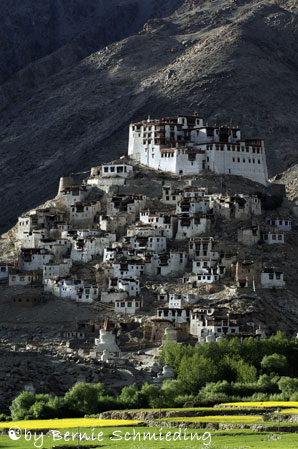
My last ecological design fundamentals post featured the Druk White Lotus School, set in the northern heights of ladakh, India. Arup engineers faced considerable climate challenges when designing the campus which, because of it’s 9,000-25,000 ft altitude, is very, very cold. However, because of its 9,ooo-25,000 ft altitude, it is also very, very sunny. The building´s design, which revolved around natural lighting and heating techniques for the local conditions, is another reason to consider the campus a prime example of ecological design. continue reading

Comments: (0)

Some pictures from Hamar Kommune

Category: ⚐ EN+architecture

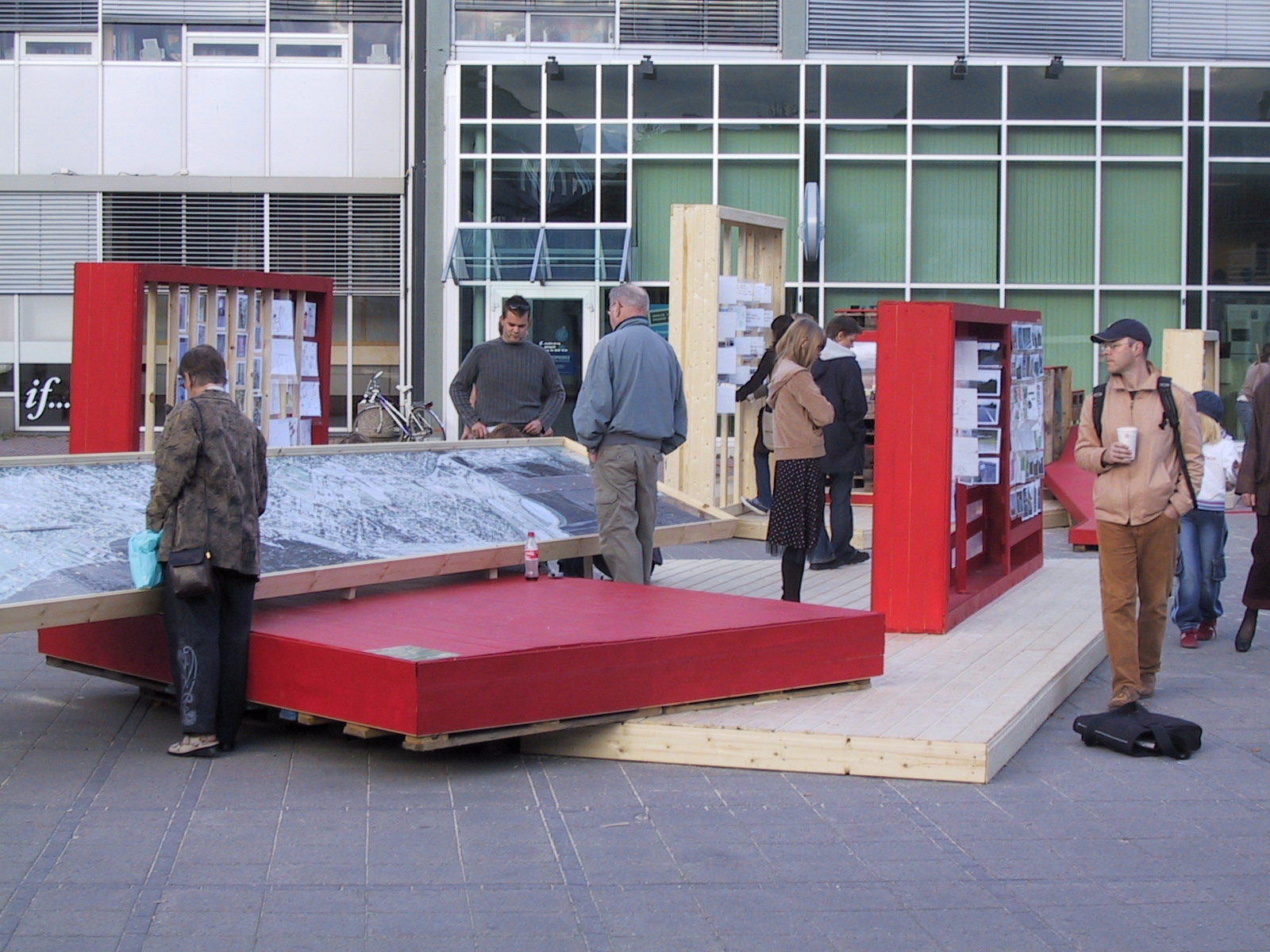
Today we present some pictures that Geir Cock from  Hamar kommune sends us as results of a workshop held when Hamar was host of the Norwegian Architecture day in 2004. The workshop was organized by Hamar Kommune and Bergen School of Architecture and was led by the teachers Geir Cock and Henrik Natvig.

We recently won (with Lluis Sabadell) a contest related to Stortorget Square in Hamar.

More info here: http://onethousandsquare.org


continue reading