Comments: (0)

Networked Urbanism – Ecosistema Urbano workshop at Hong Kong Design Institute

Category : ⚐ EN + city + creativity + ecosistema urbano + networkedurbanism + social software

10958296_1056673877683503_5161312059683376810_n

Last January Ecosistema Urbano was invited to Hong Kong to take part in activities at two different events. We were invited to give a lecture and run a workshop at Hong Kong Design Institute and also be part of the MaD ASIA FORUM 2015 program.

Hong Kong Design Institute is an educational institution that adopts a “Think and Do” approach through contemporary curriculum and active collaborations with industry. HKDI brings together the strengths of the Design departments and offers programmes spanning across Foundation Studies, Communication Design and Digital Media, Fashion and Image Design, and Product and Interior Design.

1_ HKDI

Our workshop aimed, not only at examining the physical dimension of the city, but also its social processes and fluxes, focusing in the quality of HK public spaces.

We believe that the reactivation of a public space cannot be addressed only by a conventional piece of art or urban design. A lively public space is a complex balance of overlapping layers which should also allow for improvisation and interaction; it is the platform for conversation and socialization and it should respond to the demands, desires and expectations of an increasingly plural society.

The transformation of a public space is not only about physically implementing a new creative urban environment, but also, and far more important, it is about building a community to support it, to care for it, to use it – before, during, and after its materialization. A designer’s role is not only to deliver high quality public spaces, but also to reflect on the many ways public space can contribute to foster or discourage social interaction. It is interesting to understand how the physical configuration of a space can condition our personal and social behaviour.

At ecosistema urbano we believe we have to work at different levels in order to achieve a healthy and sustainable public space. Our methodology focuses on three key factors:

Society. We believe it is necessary to empower communities to drive the projects that affect them, and therefore involve social layer in the design process, so social relevance can be guaranteed. It is necessary to invite citizens to take an active role in urban transformation.

Technology. We embrace technology as a means to enhance citizens’ interaction with each other and with the environment around them. As the digital-physical divide narrows and the possibilities multiply, technology becomes an increasingly significant element in urban social life.

Environment. Sustainability is not only an option anymore, but a must. Our work promotes the comprehension of the city as an open environmental classroom to raise awareness about ecological issues among citizens.

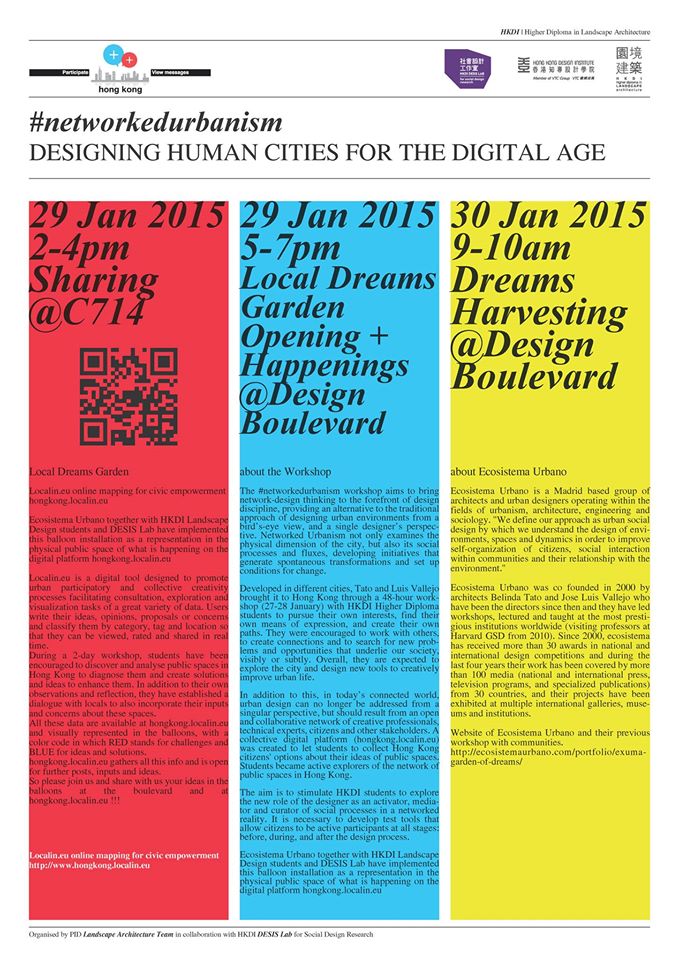
Within this framework, Jose Luis Vallejo and I led a 3-day workshop at Hong Kong Design Institute with students from the landscape program. The purpose of the workshop was to encourage students to reflect on the public space surrounding the school.
10955686_522751844532711_7015857717189480662_o

The workshop consisted of three different actions:

FIRST ACTION

During the first task students had to explore the area, identifying both challenges and opportunities in the public space of this part of the city: East Kowloon, a newly built area with a lack of attractive public spaces. They had not only to observe and experience the space themselves but also to gather inputs and fresh ideas from other users and passersby.
In order to communicate and express their learnings and findings, they were expected to elaborate their ideas by producing a video.

WORKSHOP 2

Today’s strong culture in the use of new media pushes us, designers, to find innovative ways of communicating our ideas beyond the conventional disciplinary tools. The easiness of spreading information through social media, reaching out a larger audience, presents new opportunities of raising awareness about urban issues, increasing social interest, and building up a stronger urban culture.

The definition and the testing of these tools is a fertile creative space where students and future designers can find new opportunities for development and innovation, where not only the very concept is important, but also the skills of storytelling and narration.

We believe Design Schools should explore these new ways of communicating and transferring ideas and knowledge to bridge the distances between disciplinary language and society’s interests. It is necessary to develop the appropriate tools and to establish a creative and efficient conversation between us, designers, and the citizens, as we no longer can think about creating a healthy and sustainable city without their engagement.

Many topics emerged from this explorative approach: the space for the visually impaired, the lack of activities and programs, the monotony of the current design and existing solutions, etc.

You can watch the videos produced here.


SECOND ACTION

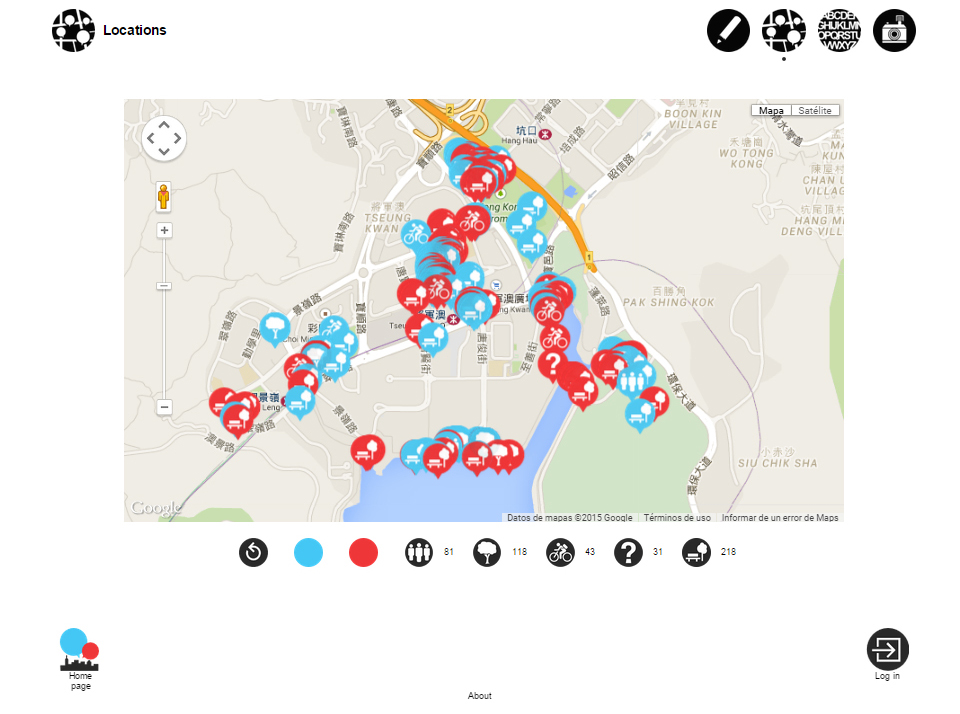
The second purpose of the workshop was to launch the Hong Kong version of the local_in platform, an online platform designed to publish geolocated messages: users write their ideas, opinions, proposals or concerns in 140 characters and classify them by category, tags and location so that they can be viewed, rated and shared in real time.

gif-intro

The digital platform enables users to work at two different levels:

Mapping: situations, problems, opportunities through images, video, descriptions, etc.
Getting into action: posting their designs, strategies, and solutions to reactivate and dynamize the existing spaces.

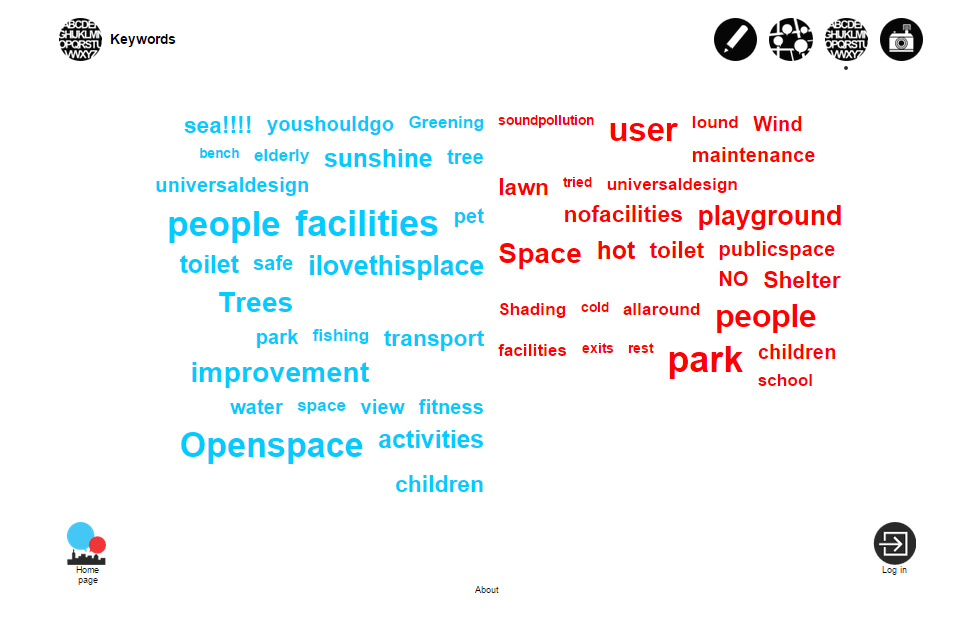
There is a color code in which RED stands for problems or challenges and BLUE for ideas and solutions.
map 1
map 2
map 3

The interface is very intuitive and allows the user to visualize the information by topics and interests in any given area of the city. Students directly uploaded their findings and reflections to the online platform. The application is open source, designed and developed by Ecosistema Urbano and released under GNU GPL license.

The platform hongkong.localin.eu will remain online and open for further use by citizens.


THIRD ACTION

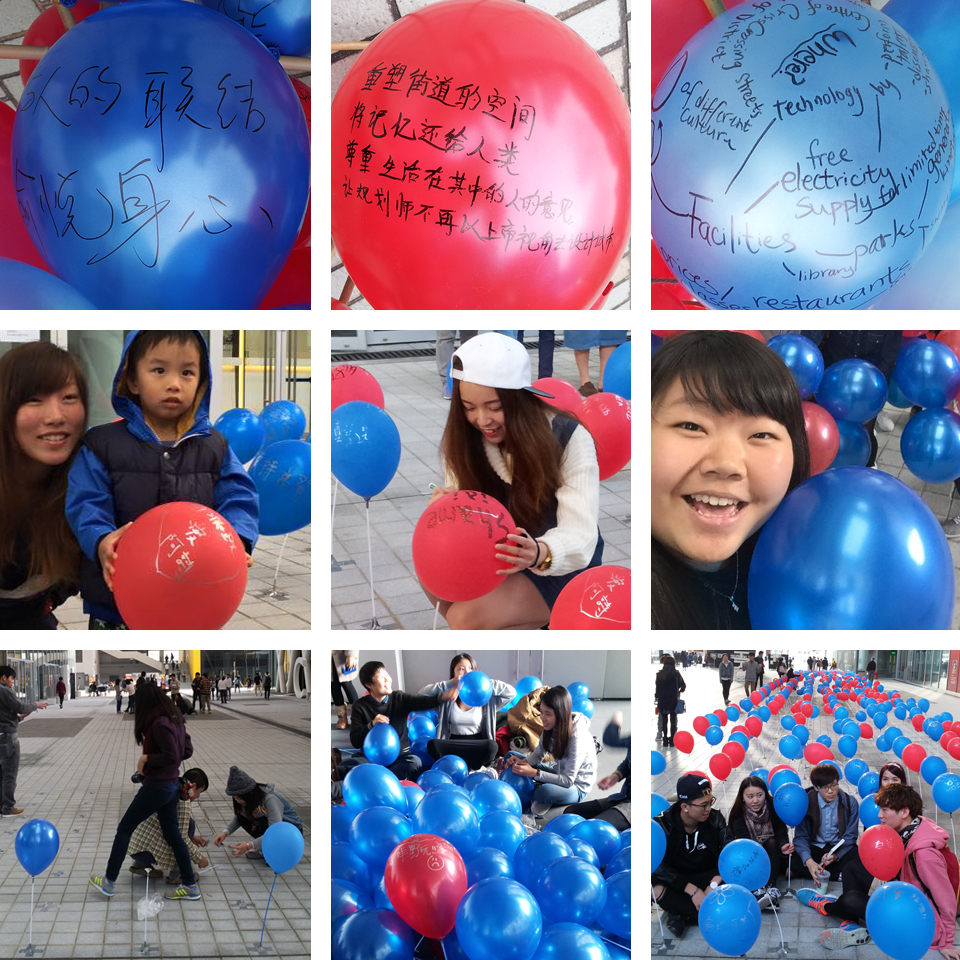
As a final and symbolic act representing the result of this reflection, a temporary balloon installation was implemented in the main public space at HKDI, the boulevar.

inflar-2

A series of 500 balloons were put into place, red balloons standing for problems and blue for ideas, recalling the color classification used in the local_in platform.
The installation is a symbolic representation of the digital platform and the ideas shown were a selection of the many gathered by students during the neighbourhood exploration. The ideas written in the balloons drew the attention of other students and passersby, and many of them also became engaged in the process and decided to contribute with their own thoughts. This simple mechanism became a social catalyst, sparking conversations along the space, connecting people and encouraging the reflection about the space we live in, and finally also the ideal background for many selfies, instantly shared on the social networks.
MATRIZ

HDKI-arriba-SMALL


MaD ASIA FORUM 2015

In addition to this activity we also took part in the MaD ASIA FORUM 2015, a platform cultivating creativity and global vision among young people in Asia.

Founded in 2009, MaD (Make a Difference) inspires and empowers young people all over Asia to come up with creative responses to our time’s challenges. It has evolved as a collaborative platform of creative changemakers that works at the intersection of creativity, entrepreneurship, innovation and discovery to bring about positive changes in Asia.
MAD

_DSC0375

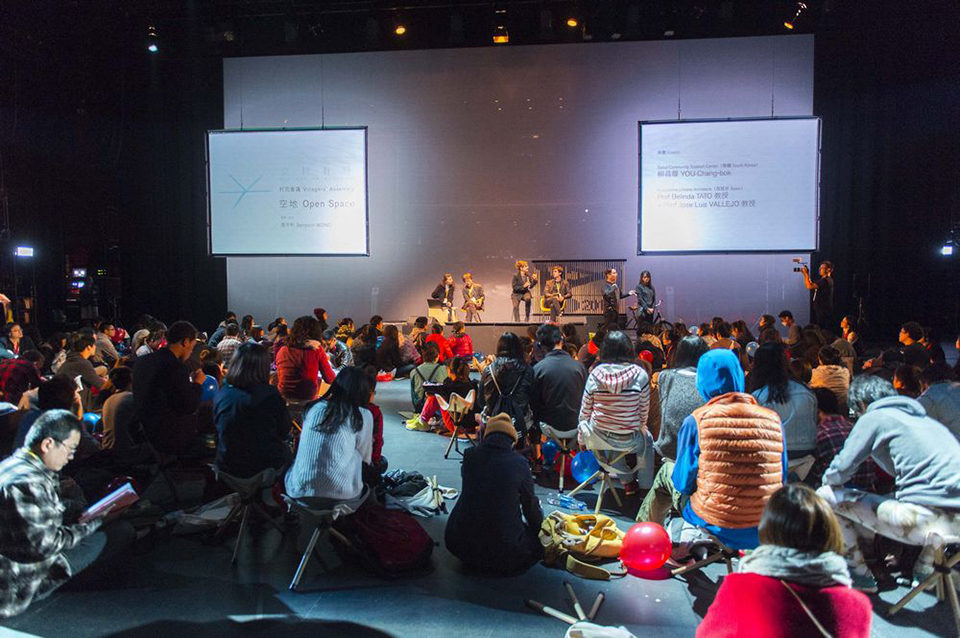
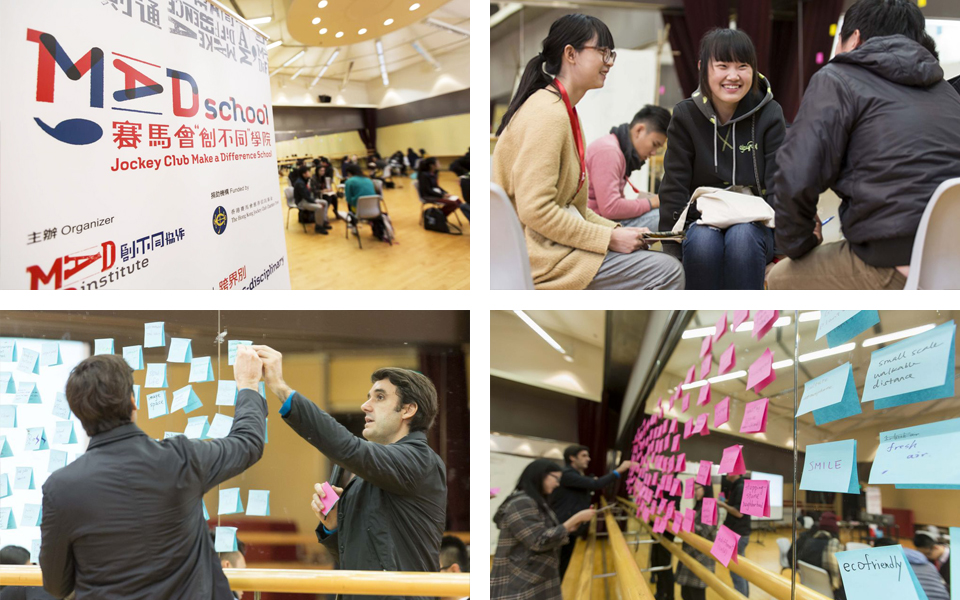
Jose Luis and I gave a lecture within the program and led two workshops titled “Designing Human Cities for the Digital Age” in which participants were challenged to interact and collectively think about ways of improving cities.
WORKSHOP MAD

stickers

Here you can find an interview (in chinese) published in NHET magazine.

Comments: (3)

Hybrid Cities and Networked Participatory Design Systems | Hybrid Space Lab

Category : ⚐ EN + architecture + open culture + urban social design + urbanism

Coinciding with the rise of digital tools that foster participatory systems, Hybrid Space Lab is an entity that exists in the realm between architect and client, the traditional shapers of space. In this article, originally published here, Elizabeth Sikiaridi and Frans Vogelaar of Hybrid Space Lab share three of their projects and their thoughts on networked participatory design systems today.

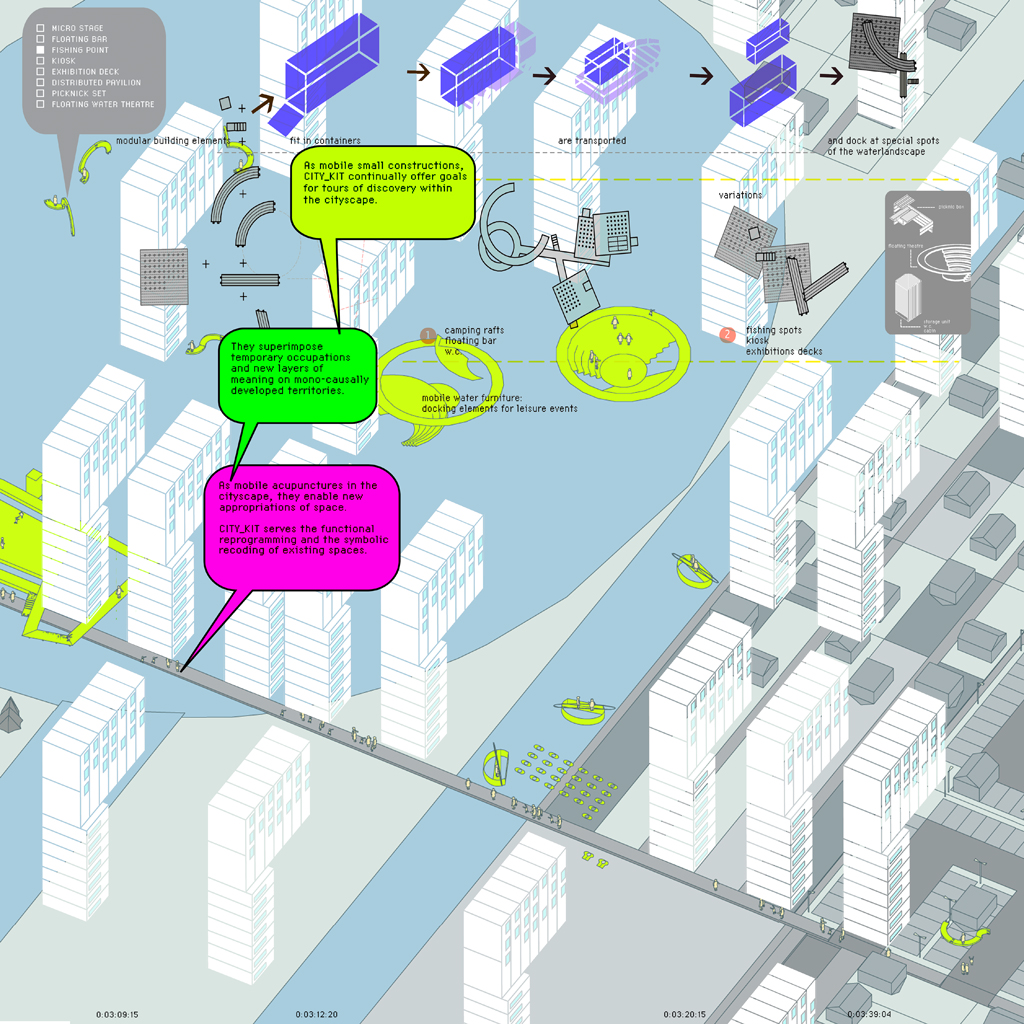
The CITY KIT hybrid game by Hybrid Space Lab

The CITY KIT hybrid game by Hybrid Space Lab

CITY KIT

CITY KIT is a combined urban-computer game to upgrade your neighborhood. The CITY KIT project was developed for the Hong Kong Social Housing Authority with as a target group young people that are familiar with computer games but hardly play outside.

This hybrid game revolves around city planning and urban redevelopment. CITY KIT turns the residents into the “makers” of the city, providing thus a bridge between the users of the urban environment and the experts – the architects and the urban planners.

The CITY KIT hybrid game by Hybrid Space Lab

The CITY KIT hybrid game by Hybrid Space Lab

Playing the CITY KIT game, the residents can adapt and improve their local physical environment by building a digital version of their neighborhood. Using modular building components that can be moved around and fixed in certain places in the environment, users can build micro-stages, exhibition decks, floating bars and theatres, swimming pools and other recreational facilities that make living in the neighborhood more fun.

The CITY KIT hybrid game by Hybrid Space Lab

The CITY KIT hybrid game by Hybrid Space Lab

CITY_KIT is an open-source medium in which participants can add elements and share their designs. An online platform in the form of a website allows residents to actively take part in the game. All it takes is a simple click of the mouse to interactively test your own virtual version of CITY KIT.

Residents and game users can design their own objects and facilities and can realize their ideas: A ‘real’ object, an analog version of the proposed CITY KIT element, can be built at the chosen location.

On the website, the user can also pinpoint exactly where a digital object should be located in the analogue world. This can be done using a mobile phone.

The CITY KIT hybrid game by Hybrid Space Lab

The CITY KIT hybrid game by Hybrid Space Lab

The goal of CITY KIT is to help you revalue your local surroundings and incorporate the new, imaginative layers created in CITY KIT’s virtual world. Making small modifications to the personal, physical environment in digital space changes the experience of living in the real world.

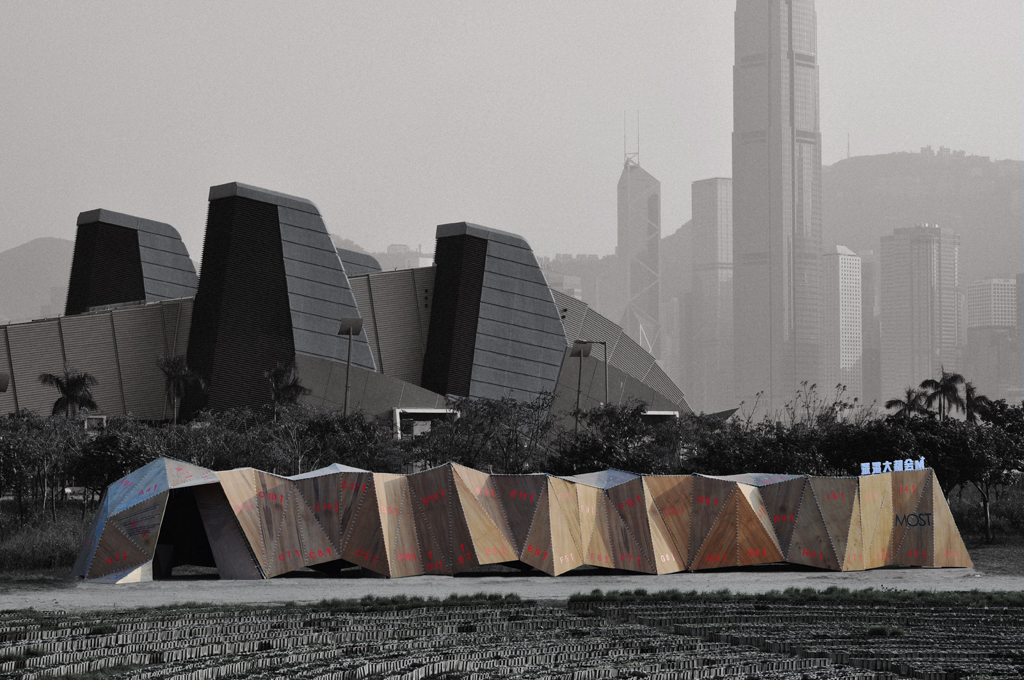
DIY Pavilion by Hybrid Space Lab at the Hong Kong & Shenzhen Bi-city Biennial of Urbanism and Architecture 2009-2010 Photo by Andy Tam

DIY Pavilion at the Hong Kong & Shenzhen Bi-city Biennial of Urbanism and Architecture 2009-2010. Photo by Andy Tam

DIY Pavilion

Outcome of the CITY KIT project was the DIY Pavilion, first presented at the waterfront promenade of Hong Kong within the framework of the Hong Kong & Shenzhen Bi-city Biennial of Urbanism and Architecture 2009-2010 and later set up at the Hong Kong Jockey Club Creative Arts Centre and at the Kwai Tsing Theatre in Hong Kong.

DIY Pavilion by Hybrid Space Lab at the Hong Kong & Shenzhen Bi-city Biennial of Urbanism and Architecture 2009-2010; photo by Andy Tam

DIY Pavilion at the Hong Kong & Shenzhen Bi-city Biennial of Urbanism and Architecture 2009-2010. Photo by Andy Tam

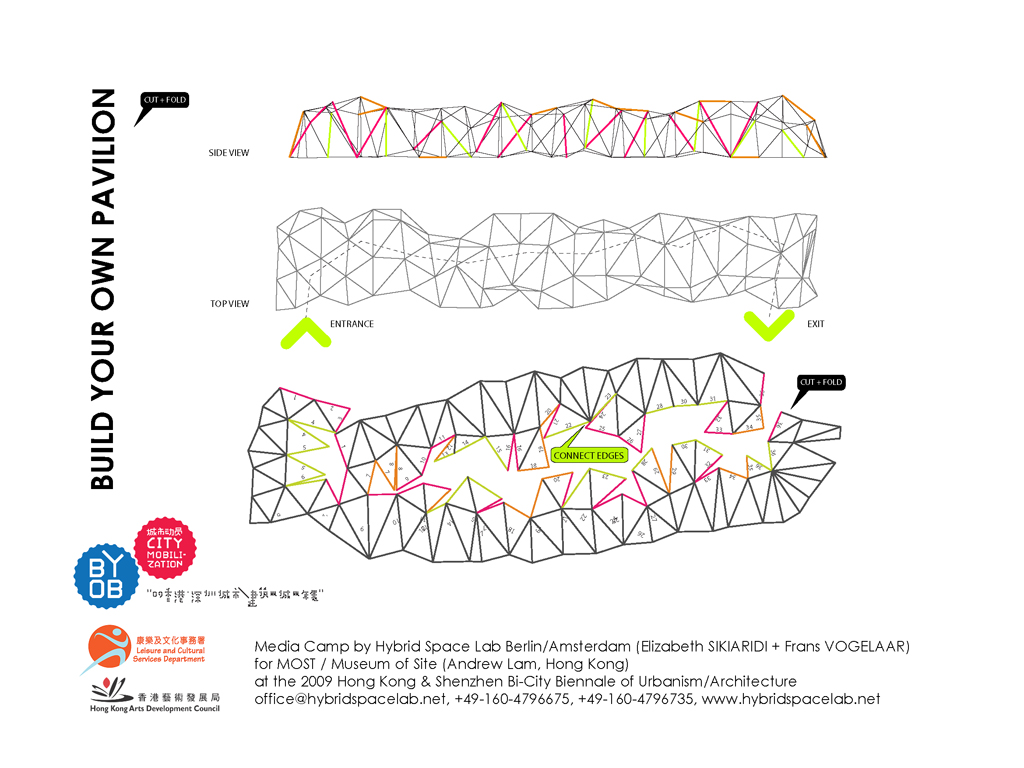
Following the CITY KIT concept, users can co-create their design of the pavilion. The pavilion’s architecture is based on an architectural design principle with a flexible structure that can adapt to site and program requirements, to different content, context and spatial situations. The structure of the pavilion architectural design principle makes it possible to involve the users in the design, building and transformation of the pavilion.

‘Build Your Own Pavilion’ at the Hong Kong & Shenzhen Bi-city Biennial of Urbanism and Architecture 2009-2010

‘Build Your Own Pavilion’ at the Hong Kong & Shenzhen Bi-city Biennial of Urbanism and Architecture 2009-2010

The pavilion consists of triangular plywood plates sown together with the help of cable binders. It is a flexible mobile structure to be easily disassembled, transported, reassembled and sown together again, adjusting to the size of the site and the local requirements.

Detail of the DIY Pavilion by Hybrid Space Lab; photo by Andy Tam

Detail of the DIY Pavilion by Hybrid Space Lab; photo by Andy Tam

Videos on urban issues were projected on the triangular crystalline structure of the pavilion’s interior as the pavilion travelled to the different locations for community education.

Model of the DIY Pavilion by Hybrid Space Lab. Photo by Julian Roeder

Model of the DIY Pavilion by Hybrid Space Lab. Photo by Julian Roeder

Model of the DIY Pavilion by Hybrid Space Lab. Photo by Julian Roeder

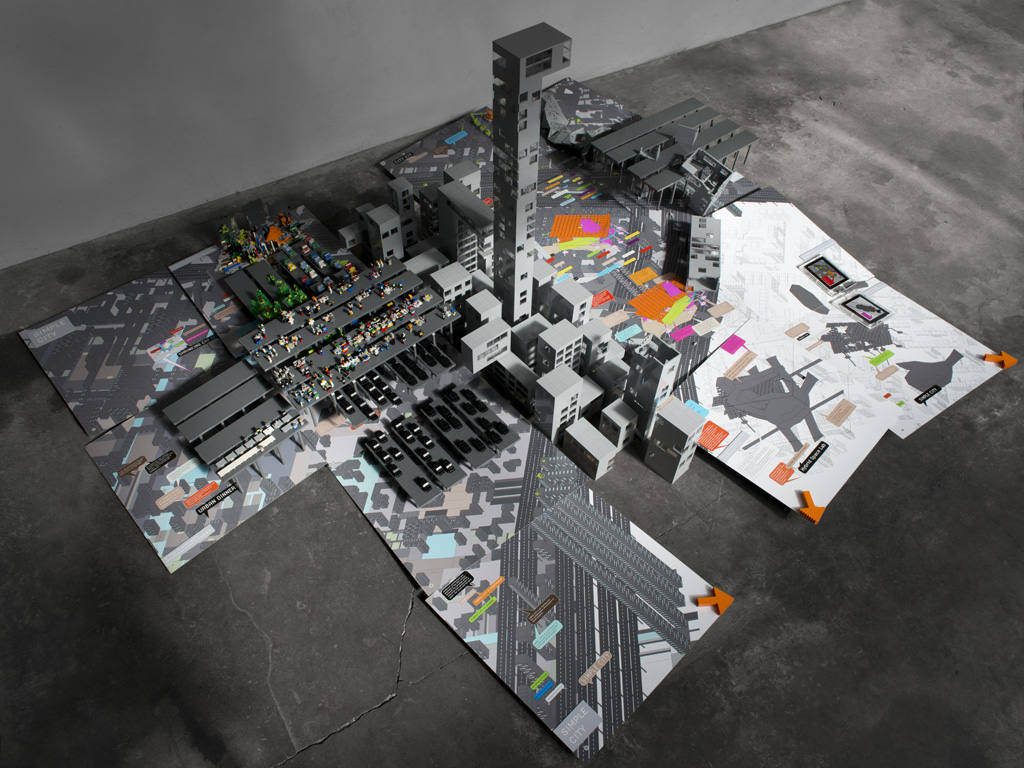
SIMPLE CITY

Both projects, CITY KIT as well as the DIY Pavilion, were recently presented within the framework of the SIMPLE CITY installation by Hybrid Space Lab at the MAKK Museum of Applied Arts Cologne from May to August 2012 and at the first issue of plan – Architecture Biennial Cologne (plan – Architektur Biennale Köln in German) in September 2012.

The SIMPLE CITY is an interface for the participative development of urban projects by professionals and laymen. The design of this simulated urban environment can be broken down to simple elements that can be copied and modified by the users of the city.

SIMPLE CITY installation by Hybrid Space Lab at the MAKK Museum of Applied Arts Cologne from May to August 2012. Photo by Hybrid Space Lab

SIMPLE CITY installation by Hybrid Space Lab at the MAKK Museum of Applied Arts Cologne from May to August 2012. Photo by Hybrid Space Lab

Laymen and city-users by copying, pasting and modifying the basic elements can easily adapt the urban design in order to develop new urban settings.

With its modular setting SIMPLE CITY corresponds to the serially produced, global, generic city (with all the instabilities and breaks). SIMPLE CITY therefore refers to the city of the industrial age that was intrinsically related with the system of serial industrial mass production. The city of the industrial age was serially produced as the addition of generic urban elements. Therefore the model elements of the SIMPLE CITY installation were built with the help of modular building bricks that were sponsored by the Danish company Lego.

SIMPLE CITY installation by Hybrid Space Lab at the plan - Architecture Biennial Cologne, September 2012. Photo by Hybrid Space Lab

SIMPLE CITY installation by Hybrid Space Lab at the plan. Architecture Biennial Cologne, Sept. 2012. Photo by Hybrid Space Lab

SIMPLE CITY is an interface that enables the communication of dynamic and networked information on urban projects. It forms an environment for interactive collaboration and for communication of process-oriented urban and architectural projects. This includes projects on the energy and material cycles of the city, on urban conversion and on networked participatory urban and architectural design, such as the CITY KIT and the DIY Pavilion projects.

Networked Participatory Design Systems Today

The projects described above stand in the long tradition of participatory urban design, in the long tradition of the efforts of inserting the voice of the public into the process of shaping cities. Today these networked participatory design projects, such as CITY KIT, DIY Pavilion and SIMPLE CITY, are part of a general trend and of a paradigm shift.

Networked organizations and systems are today transforming our society in general. With new technologies and digital media currently transforming production and social communication, urban and architectural design is being redefined in a new context.

Participatory urban and architectural design systems are gaining –in the context of a networked society– in relevance. This is a general phenomenon as networked co-operation and open-source are to be found in many contemporary social and cultural expressions.

Current social-political are using social media tools and mobile media networks. Fluctuating networked political forces distrust established political parties and contest the concept of the ‘political expert’, creating independent self-publication channels and demanding ‘direct democracy’.

Networked systems are also transforming knowledge production; think of the Wikipedia, ‘the free encyclopedia that anyone can edit’. Co-operation, co-authorship and open-source are to be found in many contemporary cultural expressions and phenomena, such as, for example, Wikimedia Commons, the free media file repository making available public domain and freely licensed educational media content (images, sound and video clips) to everyone.

Users, aided by improvements in information-communication technology are increasingly developing their own new products and services, ‘democratising’ innovation. These innovating users often freely share their innovations with others, creating user-innovation communities and a rich intellectual commons.

The word “prosumer” is used in this context to describe the type of consumer who becomes involved in the design and manufacturing of products, so they can be made to his individual specification. The word “prosumer” blends the roles of producer and consumer and was first coined in 1980 by the futurist Alvin Toffler in his book “The Third Wave”.

Today the “prosumer” can be engaged in innovation and design as well as in the manufacturing of products that fit his individual specifications and needs. In the last years 3D printing has developed to a low cost technology that everyone can use to produce objects. 3D printing allows industrial production on a desktop scale enabling autonomous production for individuals and designers. This development of object production is enabled by the Internet and by the acceleration of technological developments and open source communities. The digital blue prints of objects are designed in 3D software and can be shared via digital networks. On special Internet platforms people share these open source 3D designs that can be produced via rapid prototyping with 3D printers.

Networked participatory design systems are replacing the logics of the industrial age, where the creative one designed for the non-creative masses. The architects and urban designers focus is shifting from designing objects and spaces to programming processes in interaction with users. The task of ‘designing’ processes for networks of people involved on the development of the urban environment is gaining in relevance. This means a shift from centralized to (distributed) participatory systems with ‘enabling solutions’ that involve users. This includes solutions and platforms that ‘enable’ users to interact, integrating users as participants into development processes of the urban environment – such as the CITY KIT, SIMPLE CITY and the DIY Pavilion.

Originally published at world-architects.com

Elizabeth Sikiaridi and Frans Vogelaar founded Hybrid Space Lab, a R&D and design practice focusing on the hybrid fields that are emerging through the combination and fusion of environments, objects and services in the information-communication age. The scope of our development and design projects ranges from those on urban games and planning to buildings, architectural interiors and industrial design applications and wearables.

Hybrid Space Lab is an interdisciplinary environment with an innovative and integrated approach to spatial issues. The focus of our work lies in fusing digital and analog environments, in embedding media networks in urban/architectural, social and cultural spaces. Hybrid Space Lab is a lab and a network in which architects, urbanists, landscape architects and environmental planners, designers, soft- and hardware engineers collaborate in the development of projects for combined analog and digital, urban, architectural, design and media spaces.

Hybrid Space Lab recently developed visions for the program of the new institute that will be formed by the merger of the Netherlands Architecture Institute (Nederlands Architectuurinstituut), the Netherlands Institute for Design and Fashion (Premsela) and the institute responsible for digital culture (Virtueel Platform). For an English text see here.

Comments: (10)

Sustained development Hong Kong style:Architecture of Density

Category : ⚐ EN + architecture + sustainability

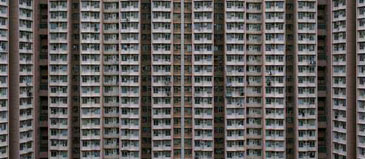
090223_hong_cong
Architecture of Density, an exhibition of large scale color photographs by Michael Wolf.

Wolf has lived and worked in Hong Kong for ten years. Stimulated by the region’s complex urban dynamics, he makes dizzying photographs of its architecture.
One of the most densely populated metropolitan areas in the world, Hong Kong has an overall density of nearly 6,700 people per square kilometer. The majority of its citizens live in flats in high-rise buildings. In Architecture of Density, Wolf investigates these vibrant city blocks, finding a mesmerizing abstraction in the buildings’ facades.

Comments: (0)

Presentando local_in, nuestra renovada plataforma de mapeo colectivo

Category : ⚐ ES + cultura abierta + participación + placemaking + social toolbox + tecnologías + urban social design + urbanismo

¿Qué fue de whatif?

¿Estás buscando Whatif, nuestra herramienta libre de mapeo colaborativo?
Te contamos qué ha sido de ella.

Hace tiempo que no publicábamos nada sobre esta aplicación. De hecho ahora mismo no aparece por ningún lado: no está en nuestro portfolio, los buscadores no la encuentran, hasta en las redes sociales empieza a desaparecer. Sin embargo, el desarrollo dista mucho de estar parado. Al contrario: en los últimos meses el proyecto ha dado un importante salto cualitativo, desde el código mismo hasta el propio nombre. A continuación os contamos los porqués y los paraqués de estos cambios.

Comments: (2)

24 Rooms Tucked Into One

Category : ⚐ EN + architecture + design

090123_24cuartos0

GARY CHANG stood in the middle of his apartment on a recent Saturday morning, ignoring a message from his Nintendo Wii on the wall-size screen: “Are you fidgeting? I can’t seem to analyze you.” He repositioned the game system’s balance board, stepped on for a second run of downhill skiing and began to shift from side to side, a computer-generated figure swishing in time with him across the room.

Soon enough, having worked up an appetite, he was ready to move on. He used a remote control to raise the screen, revealing a large yellow-tinted window behind it, filling the room with radiance. “Like sunshine,” Mr. Chang said, though the colorized gray daylight made the view — a forest of apartment towers in Hong Kong’s bustling working-class Sai Wan Ho district — look dusky, like an old sepia print.