Comments: (0)

ecological design fundamentals: comprehensive resource, waste and space management

Category: ⚐ EN+architecture+design+fundamentals


What is Ecological Design? comprehensive resource, waste and space management

Featuring: Terreform ONE

Beyond “sustaining” the urban landscape to endure the lifestyles of future generations, ecological design envisions long-lasting urban waste-management techniques and, as the world’s population  climbs, long-lasting urban space-management techniques.

An average of 50 million people migrate to cities around the globe each year. As they do, more and more outside (rural) resources are being transported to cities while more and more waste is being transported out of cities to keep their populations comfortable. As global environmental and social pressures build under this unsustainable system (meaning, it won’t last – we’re drawing resources at a faster rate than they grow, and the waste is building up somewhere faster than it’s decomposing), new visions for urban consumption, waste, and space management are needed. To be clear, urbanism is not the problem we’re facing- the current design of urban spaces is. Built to serve the automobile, urban areas, as they exist today, promote the existence of an artificial boundary between the “city” and “nature” that have made it easy for urbanites to ignore their impressive impact on outside communities. continue reading
Comments: (0)

Ecosistema Urbano is a Buckminster Fuller Semifinalist!

Category: ⚐ EN+ecosistema urbano+sustainability

Today Ecosistema Urbano has been announced as one of the Buckminster Fuller Challenge´s 21 semifinalists. Named “Socially-Responsible Design’s Highest Award” by Metropolis Magazine, this prestigious prize will award 100,000 dollars to one project strategy with potential to solve world problems through humanitarian action and environmental responsibility.

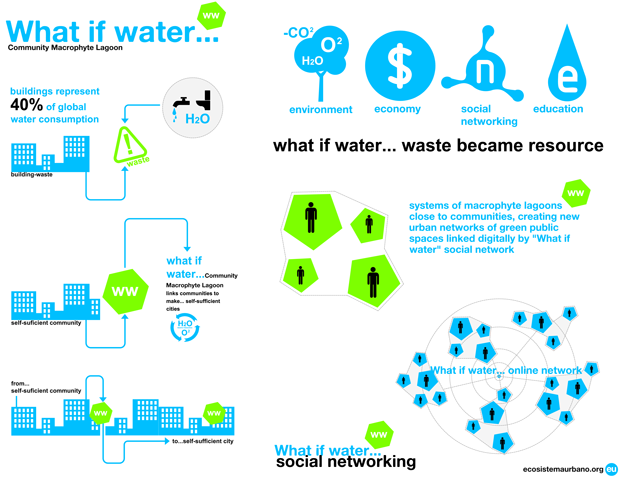
Ecosistema Urbano´s submission is What if Water… Community Macrophyte Lagoons, a water purification initiative that doubles to engage communities in water conservation activities.  The purification system that has been engineered to assist the natural macrophite purifying processes in plants. After purifying the water, the natural system stores water for reuse on the project site or within the surrounding community. To support community macrophyte lagoons, which initiate physical networking at project sites, the creation of an online social network will allow community members to share their What if Water, Community Macrophyte Lagoons experiences with each other locally and globally. continue reading

Comments: (0)

2012Architecten and a little more about their ¨superuse¨

Category: ⚐ EN+architecture+creativity

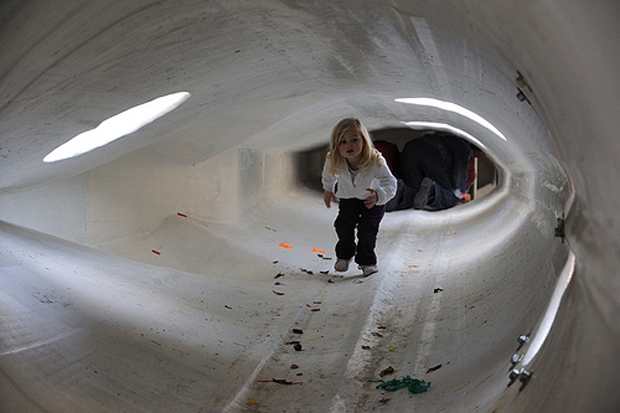
2012Architecten were recently featured in my ecological design fundamentals post for their ¨superuse¨ of building materials. Rather than an afterthought,  material usage plays a central role in the design processes of these dutch architects. Approaching each project with the unique mindset that local discarded materials will shape their final design, the creations of 2012Architecten are not only examples of sustainable architecture practice, they are also fun, exciting examples of  urban creativity at it´s best. 2012Architechiten are ahead of thier time and, fittingly, thier projects tend to have a futuristic feel.  The three projects featured  below utilize, for example,  rotor blades, cable reels, sinks and steel beams that once held a textile factory together.

Wikado: continue reading

Comments: (4)

Ecological design fundamentals: responsible materials and construction practices

Category: ⚐ EN+architecture+fundamentals+sustainability

What is Ecological Design? Resposible Materials and Contruction Practices
When constructing, In order to encourage stability of environmental and cultural systems that are already in place,  ecological design should utilize the skills and resources available in the nearby areas. I wrote my last post about the necessity for buildings to be engineered so they may evolve in response to environmental changes. Today I will write about how, even more fundamentally, construction process should evolve in response to local contingencies and opportunities.

We can see examples of this practise in the last two examples of ecological design i´ve featured. The first, The Arup designed Druk white lotus school, used both traditional materials and traditional building methods. This supported the local economy, the local culture and avoided harmful environmental effects by limiting the distanace (and carbon-footprint) of material transport. With another take on responsible material usage,  Morphosis’ FLOAT house design for New Orleans, acknowledged poverty pressures in affected flood zones all over the world, by (using local labor) assembling the house on-site from pre-fabricated components with all required wall anchors, electrical, mechanical and plumbing systems pre-installed. The affordable housing was designed as easy-to-transport, easy-to assemble sections so that the design may be reapplied throughout the 9th ward, as well as be adapted to the needs of flood zones worldwide. continue reading

Comment: (1)

URBACT | La ciudad de nuestros sueños

Category: ⚐ ES+creatividad+urbact

El caos inventa sin cesar vidas nunca imaginadas
Boris Cyrulnik

Asumamos la crisis. Personalmente, además, lo hago convencido de que tiene un importante carácter sistémico y de que nos urge a actuar porque ni mucho menos hemos tocado fondo.

Como sociedad hemos venido despreciando durante décadas todas las señales que nos anunciaban el colapso y nos hemos empeñado en llevar hasta la última instancia un modelo de desarrollo que, además de profundamente injusto y desequilibrado, se ha manifestado exquisitamente hipócrita precisamente para los que más lo hemos saboreado.

Los habitantes de los países denominados desarrollados nos hemos dejado llevar plácidamente por la promesa de la felicidad particular, por el espejismo de la realización individual, por el resplandor del sueño americano… continue reading

Comments: (3)

Espacio público, movilidad y ciudadanía: un proyecto para el centro de Madrid

Category: ⚐ ES+eventos+sostenibilidad

Ponentes:

Jose Maria Ezquiaga
Juan Herreros
Juan Fisac

Círculo de Bellas Artes, Sala Ramón Gómez de la Serna (aforo 250 personas)
6 de abril de 2011
20 horas continue reading

Comments: (0)

EU collaborators

Category: ⚐ EN+colaboradores+ecosistema urbano


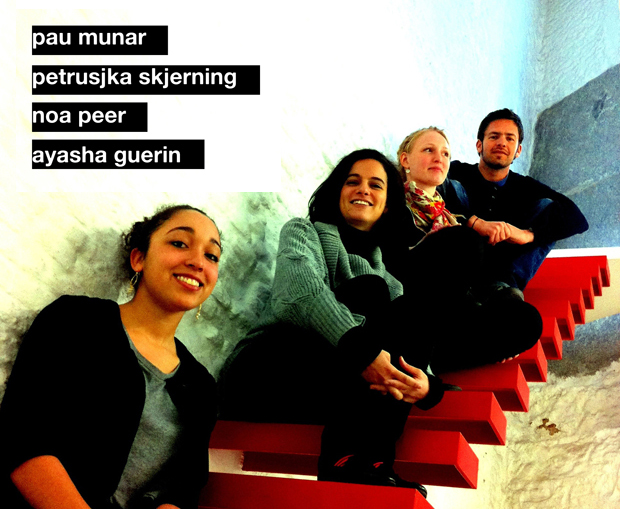
Ecosistema urbano is always searching for talented people, but many times it works the other way around and we feel very lucky to be directly contacted by them. Today I want to introduce you to four different people who have recently joined us at ecosistema urbano. We are very pleased with their contribution and their unique backgrounds, which bring a fresh approach to our work.

continue reading

Comments: (0)

URBACT | Análisis de los resultados del proyecto Nodus en España

Category: ⚐ ES+urbact


Hoy publicamos un análisis de los resultados del proyecto  URBACT NODUS en España. El artículo incluye una entrevista a Joan López Redondo, Director de Estudios Urbanos del Instituto de Estudios Territoriales. El Instituto de Estudios Territoriales (IET) es un consorcio integrado por la Generalitat de Cataluña, mediante el Departamento de Territorio y Sostenibilidad, y la Universidad Pompeu Fabra.

Descargate el dossier: [Download not found]

continue reading

Comments: (0)

Ecosistema Urbano en green week | fundación adolfo dominguez

Category: ⚐ ES+ecosistema urbano+eventos


Ecosistema Urbano participa en la semana green week que tiene lugar del 21 al 26 de Marzo en la Fundación Adolfo Dominguez, calle serrano nº 5 (Madrid). continue reading

Comments: (0)

Norden Fund Travel/Study Grants

Category: ⚐ EN+competitions+educación


Norden Fund Travel/Study Grants:  An opportunity for students and recent graduates:

The Norden Fund, offered by the Architectural League of New York, annually awards students and recent graduates up to $5,000  in travel/study grants to pursue projects in the field of architecture, architectural history, or urban studies. continue reading